

Bu içerik Türkçe olarak yazılmış olup yapay zeka ile otomatik olarak İngilizceye çevrilmiştir.
+1 Daha
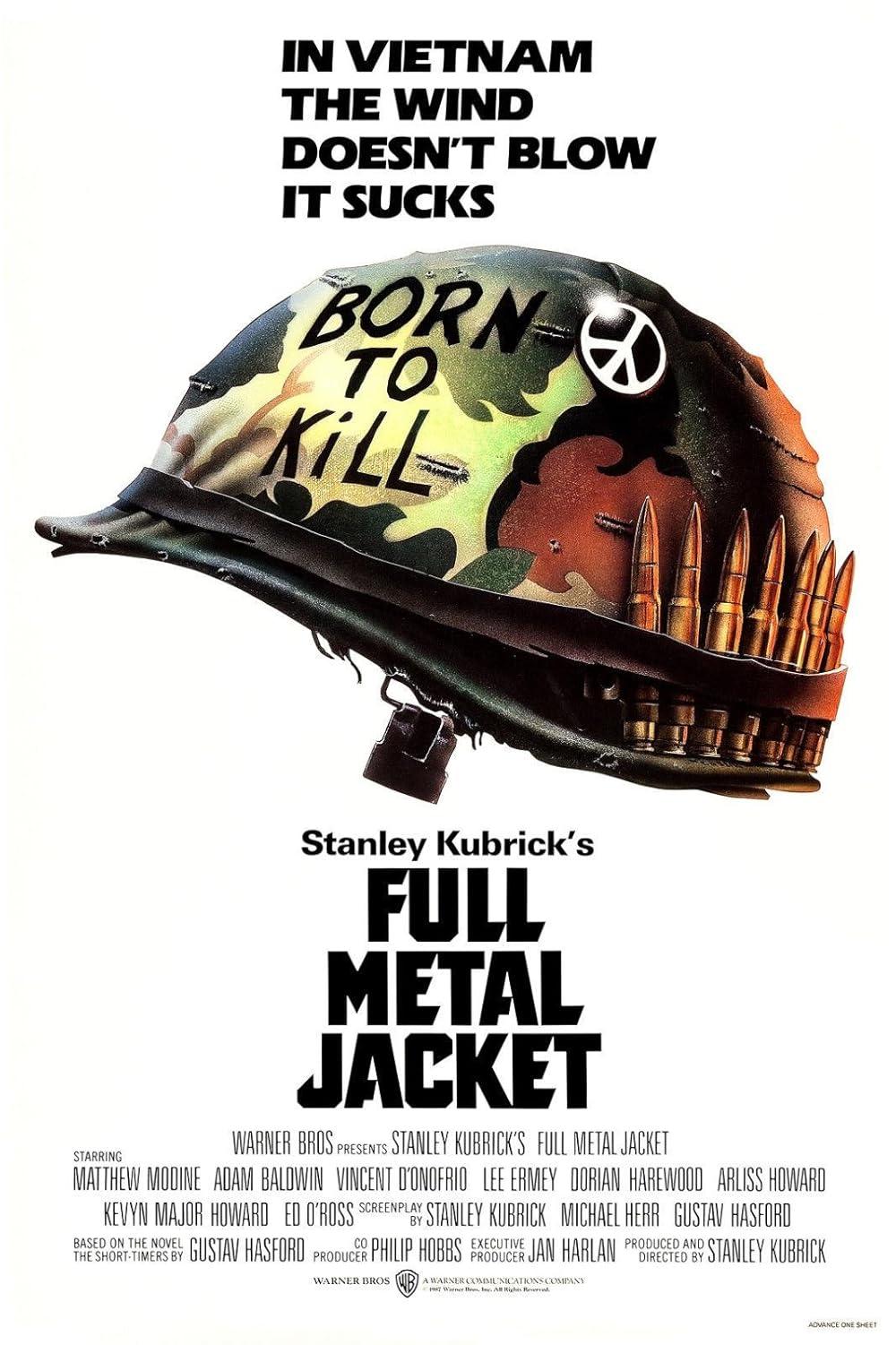
Full Metal Jacket is a 1987 war film directed by Stanley Kubrick and adapted from Gustav Hasford’s 1979 novel The Short-Timers.
The production examines events during the Vietnam War in two parts: first the training process and then the combat experience. The film is recognized among notable works for its screenplay, performances and visual style place.
The film begins with a group of recruits joining the United States Marine Corps and undergoing basic training at the Parris Island boot camp in South Carolina. During this phase, the transformation of the recruits under the authoritarian rule of Sergeant Hartman is depicted, highlighting their physical and psychological struggles. The character Leonard Lawrence, nicknamed “Gomer Pyle,” stands out due to his difficulties adapting and his mental breakdown during this period.
In the second part, the focus shifts to the veterans’ combat experiences in Vietnam. This section portrays the conflicts experienced by Joker, the main character who serves as a journalist, along with his personal observations and the psychological impact of war road.
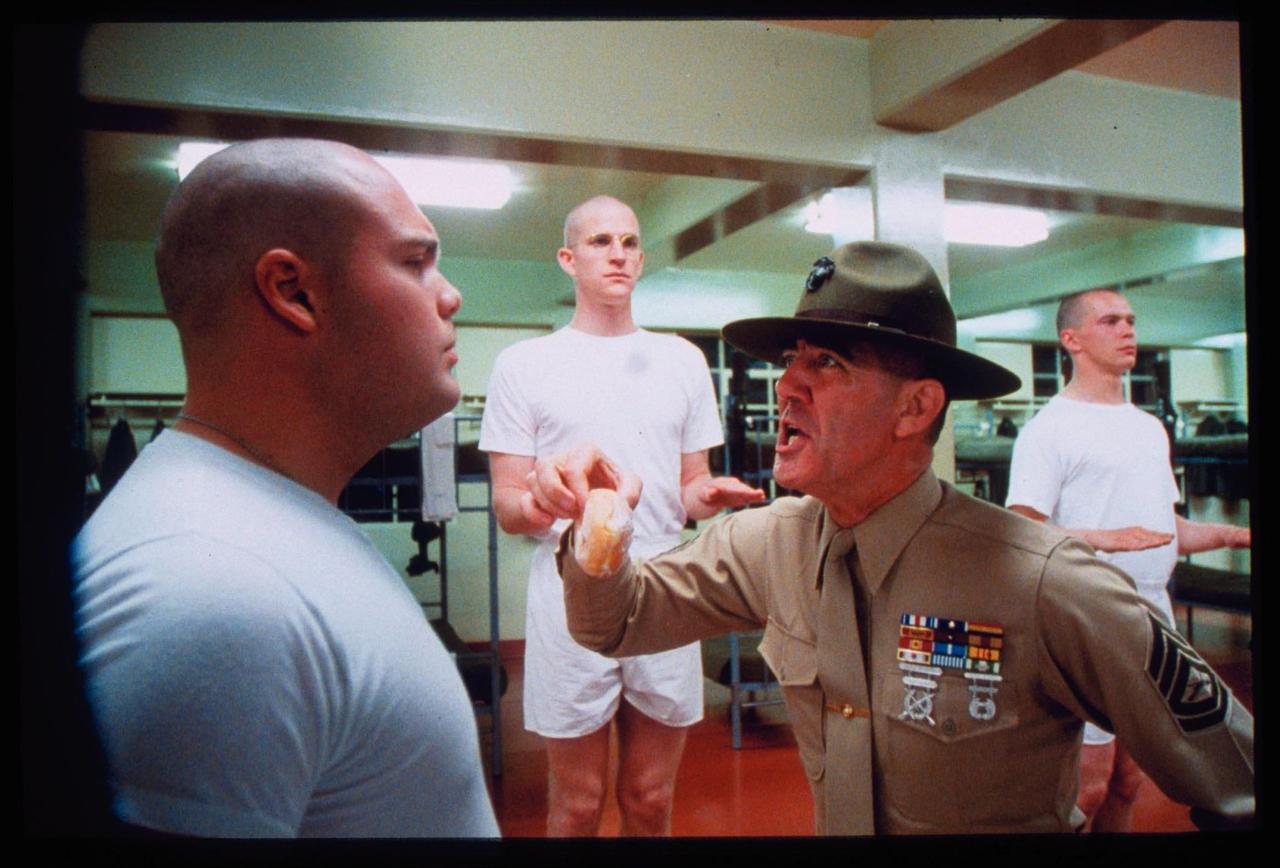
Full Metal Jacket (IMDb)
The screenplay was co-written by Scenario, Stanley Kubrick, Gustav Hasford and Michael Herr. Most of the filming took place in England, where sets were constructed to resemble the conditions of the Vietnam War. Specific sets were designed to mimic the city of Hue for use in the battle scenes to offer. The film was distributed by Warner Bros. and released in world regions worldwide.
The film explores the physical and psychological dimensions of military training, the process of submission to authority and the transformation of individual identity.
The second part addresses the portrayal of war through media, examining the relationship between journalism and military propaganda. The character of Joker functions as a narrative observation within this context.
The film presents scenes that reflect the moral dilemmas and psychological strain faced by individuals in war. The scene featuring a female sniper is frequently cited as an example of this tension.
The production was shot in accordance with Kubrick’s directorial approach, employing long takes, meticulous framing and natural lighting. Popular songs from the era are featured in the film, often synchronized with visuals to create a strong audiovisual interplay.
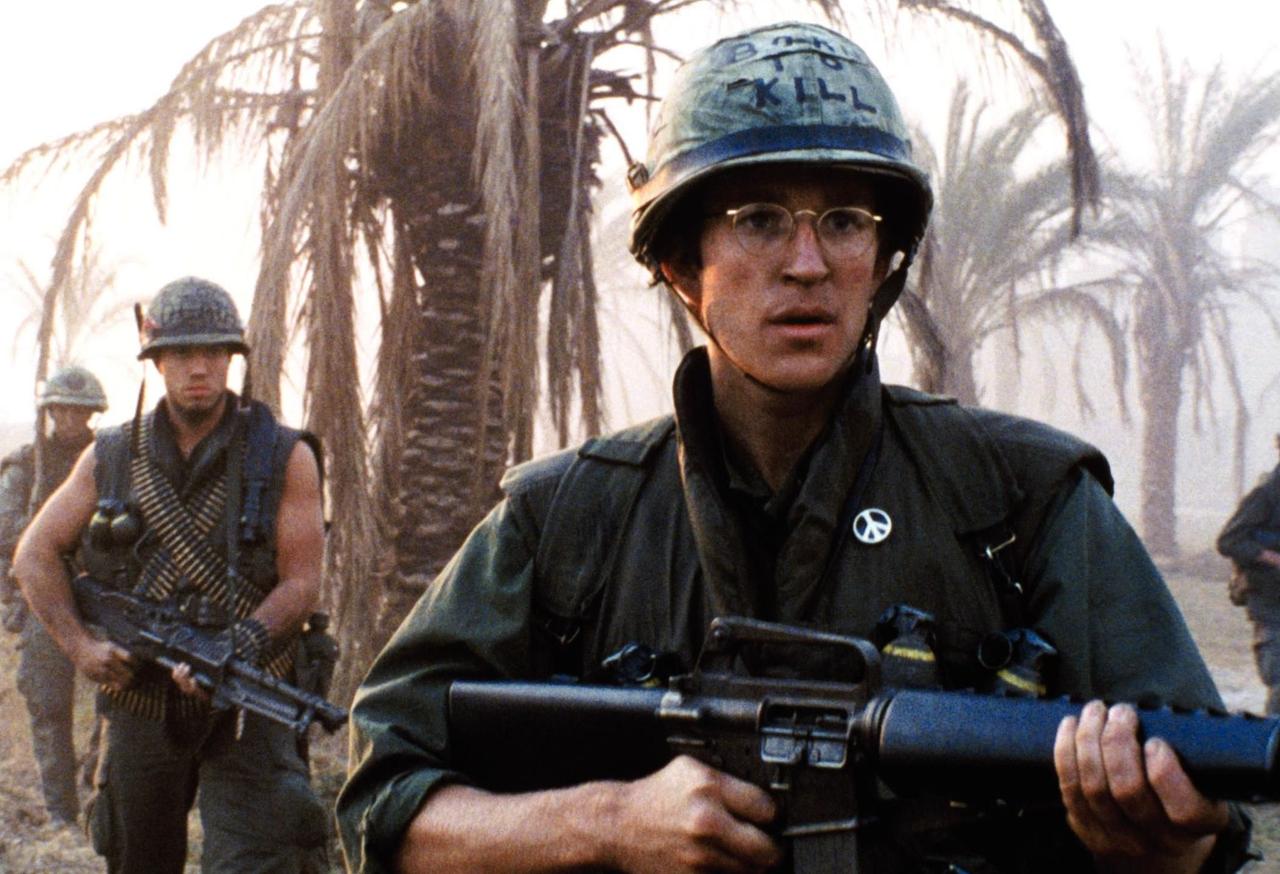
Full Metal Jacket (IMDb)
Full Metal Jacket (1987) received both awards and numerous nominations at prestigious award ceremonies upon its release. Some of these include:
In 1988, the film won the BAFTA Award for Best Sound and was nominated for Best Director (Stanley Kubrick), Best Adapted Screenplay (Kubrick, Michael Herr, Gustav Hasford) and Best Supporting Actor (R. Lee Ermey). It was also nominated for an Oscar in 1988 for Best Adapted Screenplay. In 1987, Stanley Kubrick received the Best Director award from the Boston Society of Film Critics and the Kansas City Film Critics Circle. Additionally, in 1988, the London Film Critics’ Circle honored Kubrick with the Director of the Year award.
The film received largely positive reviews from film critics upon its release. In particular, the first half of the film was praised for its distinctive portrayal of military training, a subject rarely depicted in such detail in cinema history. Critiques of the second half often noted a shift in dramatic intensity.
Full Metal Jacket stands out among films about the Vietnam War for its narrative structure, thematic fragmentation and technical techniques. It has secured its place in the literature of war cinema by examining the transformations and conflicts experienced by individuals as they move from basic training to the battlefield across multiple levels.

Henüz Tartışma Girilmemiştir
"Full Metal Jacket (Film)" maddesi için tartışma başlatın
Plot
Cast and Characters
Production
Themes
Military Training
War and Media
Moral and Psychological Tensions
Technical Aspects
Awards and Nominations
Criticism and Evaluation