
Bu içerik Türkçe olarak yazılmış olup yapay zeka ile otomatik olarak İngilizceye çevrilmiştir.
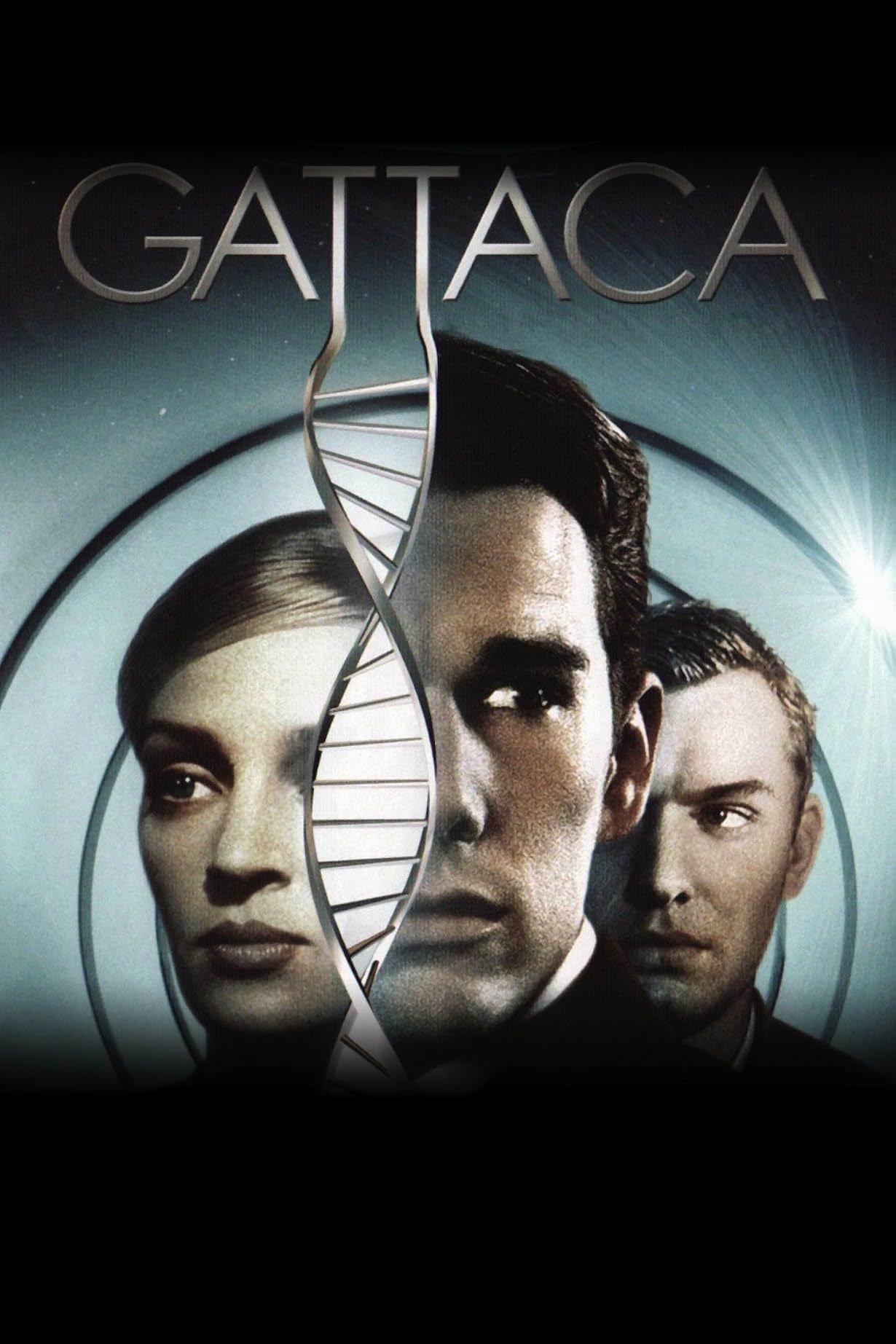
Gattaca is a 1997 American science fiction film written and directed by Andrew Niccol, marking his debut as a feature film director. The film stars Ethan Hawke and Uma Thurman, with supporting roles by Jude Law, Loren Dean, Ernest Borgnine, Gore Vidal, and Alan Arkin. The story is set in a dystopian future dominated by genetic engineering and eugenics【1】. The central narrative follows Vincent Freeman, who, despite being genetically deemed “imperfect,” struggles to realize his dream of space travel.
Gattaca Film Trailer (Sony Pictures Entertainment)
The film was initially developed under the title The Eighth Day, but adopted the name Gattaca after another film with the same title was released. The name is derived from the four nucleobases of DNA (guanine, adenine, thymine, and cytosine), reflecting the film’s genetic themes. Filming took place at the Marin County Civic Center, designed by Frank Lloyd Wright, with announcements in Esperanto added to create a futuristic atmosphere. The production was shaped by contemporary debates on biotechnology and genetic ethics.
The film features a retrofuturistic aesthetic inspired by 1960s automobile designs such as the Rover P6 and Citroën DS19. Michael Nyman’s melancholic piano-based score supports the film’s emotional tone. The opening sequence draws attention with close-ups of Vincent’s daily cleaning rituals.
Gattaca is set in a future where genetic engineering is widespread and individuals are assigned social status based on their DNA. The film centers on the distinction between “valids” (genetically engineered individuals) and “in-valids” (naturally born individuals deemed genetically “imperfect”).
Ethan Hawke portrays Vincent, a natural-born “in-valid” with genetic predispositions to heart disease. He aspires to work at Gattaca Aerospace Corporation to fulfill his dream of space travel. Vincent makes a deal with Jerome Morrow (Jude Law), a genetically “perfect” man rendered paraplegic by an accident. Using Jerome’s DNA, Vincent assumes a false identity and secures employment at Gattaca. A week before his space mission, the murder of a company executive draws suspicion toward Vincent, increasing the risk that his true identity will be exposed. As Vincent grows close to Irene Cassini (Uma Thurman), he learns she too has genetic imperfections. This relationship helps Vincent come to terms with his own identity. While the murder investigation is resolved by another suspect, Vincent is accepted for the space mission. Jerome, having provided Vincent with sufficient genetic material, commits suicide as his gold medal melts in flames, closing the film. The film questions the conflict between genetic determinism and human will, emphasizing the effort to reveal an individual’s potential independent of their genetic makeup.
Although the film earned $12.5 million at the box office, it has since gained cult status. Frequently referenced in discussions on bioethics and genetic engineering, it returned to public attention in 2023 with the announcement of a Showtime television adaptation, later canceled. The film continues to provide a relevant framework for examining the societal implications of contemporary genetic technologies.
[1]
İnsanların ve toplumların genetik yollarla “mükemmelleştirilebileceği” düşüncesini savunan tartışmalı bir düşünce ve uygulama sistemi.
NIH, ''Eugenics: Its Origin and Development (1883 - Present),'' National Human Genome, son erişim: 20 Temmuz 2025,
https://www.genome.gov/about-genomics/educational-resources/timelines/eugenics

Henüz Tartışma Girilmemiştir
"Gattaca (Film)" maddesi için tartışma başlatın
Production and Development
Plot Summary
Themes
Characters and Cast
Awards and Nominations
Academy Awards (Oscars)
Art Direction and Production Design
Music
Costume Design
Other Awards and Nominations
Screenplay
Cultural Impact and Legacy