


Bu içerik Türkçe olarak yazılmış olup yapay zeka ile otomatik olarak İngilizceye çevrilmiştir.
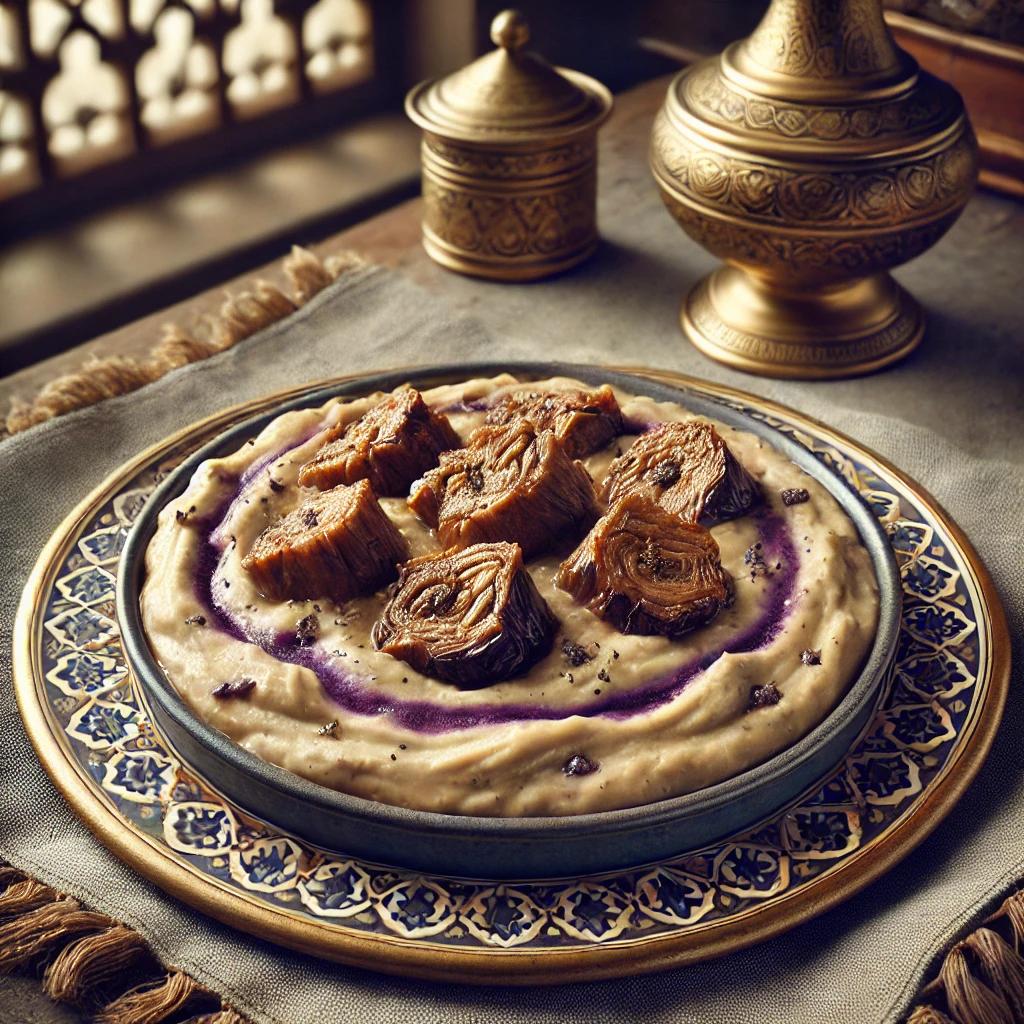
Hünkârbeğendi’s origins trace back to Ottoman palace cuisine and are believed to have emerged in the 19th century. The dish’s name derives from the words "hünkâr" (sultan) and "beğendi" (liked, enjoyed), meaning "the sultan’s favorite."
According to one account, when Sultan Abdülaziz (1830–1876) visited France, Empress Eugénie de Montijo (wife of Emperor Napoleon III of France) was a guest in Istanbul. The palace chefs prepared some of the most exquisite dishes of Ottoman cuisine to offer, including Hünkârbeğendi. Empress Eugénie was captivated by the flavor of the eggplant sauce. However, it is also believed that the dish’s roots extend further back, to earlier periods of Ottoman kitchen culture.
Another tradition holds that the dish was specially prepared for sultans and earned its name because it was indeed greatly favored by them.
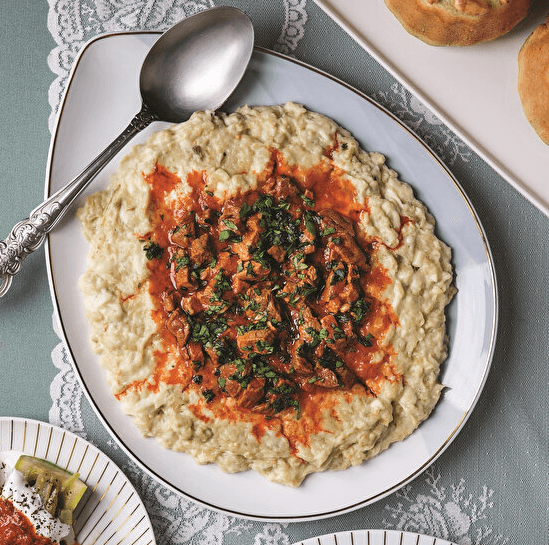
Hünkârbeğendi consists of two main main components: an eggplant-based béguendi sauce and the meat topping.
The caloric content of Hünkârbeğendi varies depending on the ingredients and portion size. On average:
The calorie count may vary depending on the amount of butter, kaşar cheese, and meat used. For a lighter version, reduce the fat content, substitute milk with lower-calorie dairy products, or decrease the meat quantity.
Hünkârbeğendi is a dish rich in protein, vitamins, and minerals.
This dish is one of the important dishes illustrating the richness of Ottoman cuisine and its interaction with French culinary traditions. It was prepared in the imperial kitchen and later became popular among the people. Today, it frequently appears on restaurant menus as a prominent representative of traditional Turkish cuisine, especially at special occasions.
Additionally, Hünkârbeğendi is interpreted in various versions within modern cuisine. For instance, some recipes substitute lamb with chicken meat or minced meat. However, the original recipe favors lamb.
The béguendi sauce of Hünkârbeğendi closely resembles the French béchamel sauce. Béchamel sauce is a French sauce made from milk, flour, and butter. Ottoman palace chefs, who were in interaction with French culinary practices, may have adapted this recipe into Ottoman cuisine.
As a result, the béguendi sauce is sometimes called "Ottoman béchamel." However, unlike the French version, it is enriched with grilled eggplant and kaşar cheese, resulting in a far more aromatic flavor.
Hünkârbeğendi was regarded as one of the special dishes prepared for the sultans. In Ottoman cuisine, most palace dishes contained rich ingredients accessible only to the elite. Hünkârbeğendi, in particular, was a prestigious dish served to important guests.
In the Ottoman period, Hünkârbeğendi made with lamb could also be prepared using game meat (such as duck, venison, or rabbit) or mutton. Over time, lamb became the most common choice and is now the standard version.
Ottoman culinary culture reached its most magnificent phase in the 16th and 17th centuries. During this period, great importance was given to the presentation of dishes. Hünkârbeğendi and similar dishes were served on large gold- or silver platters, on porcelain dishes.
In particular, at Topkapı Sarayı, the chefs preparing meals for the sultan paid great care to the presentation and flavor of each dish. Dishes like Hünkârbeğendi were not only prepared for the sultan but also for special banquets offered to foreign envoys.
Eggplant was one of the most commonly used vegetables in Ottoman cuisine. It is even said that during the 17th century, Ottoman cuisine experienced a "eggplant mania." At the time, eggplant-based dishes were popular not only in the palace kitchen but also among the general public. In fact, events known as "eggplant fires" occurred! Because homes period and wood were often constructed from wood, the risk of fire from fire used for grilling eggplants was high. As a result, there are records of several major fires in Istanbul believed to have started while eggplants were being grilled.
Today, chefs reinterpret Hünkârbeğendi in various ways:
In the Ottoman palace kitchen, the aroma of a dish was as important as its flavor. The scent released by the grilled smell and spiced meat of Hünkârbeğendi may have contributed to its favor with the sultan. In Ottoman times, it was customary for the aroma of certain dishes to spread from the kitchen and stimulate the appetite of the palace staff.
Thanks to its Europe with European culinary traditions, Hünkârbeğendi became known in some European cuisines. Today, similar eggplant-based sauces and meat dishes are found especially in Greek and Balkan cuisines.
In particular, it bears resemblance to the Greek Melitzanosalata, a purée of grilled eggplant. However, due to its richer ingredients and presentation, Hünkârbeğendi has carved out its own has place.
"Hünkar Beğendi Kaç Kalori?" NTV Spor, 1.4 years ago. Accessed February 11, 2025. https://www.ntvspor.net/kac-kalori/hunkar-begendi.
"Hünkar Beğendi Kaç Kalori?" Sabah, last week. Accessed February 11, 2025. https://www.sabah.com.tr/kac-kalori/hunkar-begendi.
"Hünkar Beğendi Yemeğinin Hikayesi Nedir? Hünkar Beğendi Yemeği Nasıl Yapılır?" *Milliyet*, 6.8 years ago. Accessed February 11, 2025. https://www.milliyet.com.tr/gundem/hunkar-begendi-yemeginin-hikayesi-nedir-hunkar-begendi-yemegi-nasil-yapilir-2654855.
"Hünkar Beğendi ile Doğan Bir Aşk Hikayesi." *Zafer Gazetesi*, 1.2 years ago. Accessed February 11, 2025. https://zafergazetesi.org/makale/18433977/gulsah-bayrak/hunkar-begendi-ile-dogan-bir-ask-hikayesi.
"Hünkar Beğendi'yi Beğenen Hünkar Kimdi?" Sabah, 2.9 years ago. Accessed February 11, 2025. https://www.sabah.com.tr/yazarlar/gunaydin/idil-cimrin/2022/03/20/hunkarbegendiyi-begenen-hunkar-kimdi.
"Hünkar Beğendi." *Diyetkolik*, 11.9 years ago. Accessed February 11, 2025. https://www.diyetkolik.com/kac-kalori/hunkar-begendi.
"Hünkar Beğendi." *Fitekran*, 6.6 years ago. Accessed February 11, 2025. https://www.fitekran.com/besin-degeri/hunkar-begendi/.
"Hünkar Beğendi." COOK Tüketici Ürünleri. Accessed February 11, 2025. https://cook.com.tr/tr/tarif/hunkar-begendi/.
"Hünkârbeğendi'nin Gerçek Tarihi." *Tarih ve Tarif*, 2.6 years ago. Accessed February 11, 2025. https://tarihvetarif.com/hunkarbegendinin-gercek-tarihi/.
GZT. "Osmanlı Mutfağının Efsanesi: Hünkar Beğendinin Hikayesi." *GZT*, 3.5 years ago. Accessed February 11, 2025. https://www.gzt.com/lokma/osmanli-mutfaginin-efsanesi-hunkar-begendinin-hikayesi-blog-3564170.
Ministry of Agriculture and Forestry of the Republic of Türkiye. "Bursa’dan Hünkâr Sofralarına Uzanan Lezzet: Hünkâr Beğendi." *Ministry of Agriculture and Forestry of the Republic of Türkiye Official Website*. Accessed February 11, 2025. http://www.turktarim.gov.tr/Haber/152/bursadan-hunkar-sofralarina-uzanan-lezzet-hunkar-begendi.

Henüz Tartışma Girilmemiştir
"Hünkârbeğendi" maddesi için tartışma başlatın
How to Prepare Hünkârbeğendi
Ingredients
For the béguendi sauce
For the meat component
Preparation
Preparing the meat
Preparing the béguendi sauce
Serving
Caloric Value
Nutritional Value (Approximate Values per Serving)
Benefits and Vitamins in Hünkârbeğendi
Origin and Cultural Significance of Hünkârbeğendi
Interesting Facts About Hünkârbeğendi
Connection to French Cuisine
Its Place Among Luxurious Dishes in the Ottoman Palace
Use of Different Meats in the Past
The “Golden Age” of the Dish in the Ottoman Era
Eggplant Was a Highly Valued Vegetable in the Ottoman Era
Modern Variations Today
In Ottoman Cuisine, the Aroma of a Dish Was as Important as Its Taste
A Recognized Ottoman Dish in Europe