


Bu içerik Türkçe olarak yazılmış olup yapay zeka ile otomatik olarak İngilizceye çevrilmiştir.
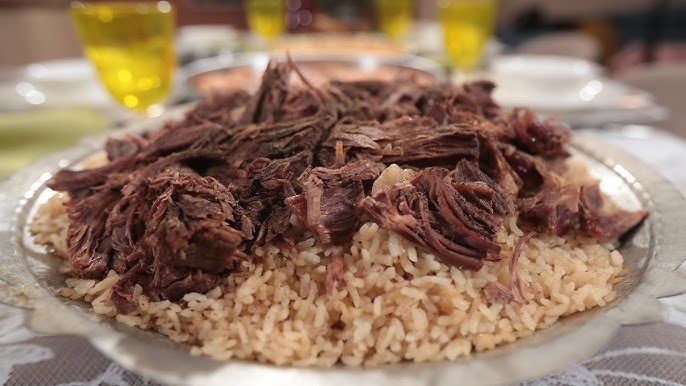
İskilip, one of the oldest settlement areas of Anatolia, is one of the 13 districts of Çorum. Located in the central part of Çorum, Black Sea Region, part of its territory lies within the Central Anatolia Region. İskilip dolması, one of the most distinctive delicacies of Turkish cuisine, is more than just a dish—it is also a representative of a deep-rooted tradition. This exquisite specialty of İskilip district in Çorum has been an indispensable part of large gatherings, weddings, and special occasions for centuries. With its unique cooking technique and requirement of skill, İskilip dolması is a cultural heritage symbolizing social solidarity and sharing.

İskilip Dolması, Culture Portal
Although the exact origins of İskilip dolması are not definitively known, together, various accounts suggest it dates back to Ottoman cuisine. It is believed to have been among the meals served to the Ottoman army and considered a nourishing dish that kept soldiers full during long campaigns. Traditionally, slow cooking in large copper cauldrons over wood fires parallels the methods used in Ottoman field kitchens during extended journeys.
While written sources lack sufficient documentation on the origin and emergence of İskilip dolması, valuable information can be gathered from oral traditions. For instance, the “Çorum Provincial Yearbook” describes Çorum dishes and mentions “Torba Pilavı,” a dish prepared similarly to İskilip dolması, though no further details are provided. In 1990, Ahmet Ertekin authored a writing titled “İskilip Dolması in the Kitchen Tradition” on this subject.
The preparation of İskilip dolması requires both culinary ingredients and specialized cooking equipment. The main ingredients include rice, onion, and meat, while the cooking process demands copper cauldrons, win, copper pots, ladles, and other tools. First, the rice is soaked in hot salted water. Once sufficiently soaked, it is rinsed until all salt is removed. Onions are sautéed in butter. A portion of water is added, and once the mixture begins to boil, the rice is incorporated to prepare the stuffing pilaf. Black pepper is added, and the mixture is divided into two large sacks called “ca,” which are then tied shut. Large pieces of veal are arranged at the bottom of a large cauldron. Water is added until the meat is fully covered. A metal rack is placed at the base of the cauldron, and an inverted metal tray is placed on top. The second sack of stuffing is wrapped in paper similar to parchment. The purpose of inverting the tray and wrapping the sack in paper is to protect the contents from condensation forming on the lid. The cauldron is sealed with dough and a stone is placed on top. A small hole is pierced through the dough to allow controlled steam release. The cauldron remains on the fire for 12 hour fire. Cooks determine the doneness by the aroma and intensity of the steam, then remove the cauldron from the heat. The rice is transferred to the tray and moistened with the broth from the cauldron. The meat is then shredded and arranged on top of the pilaf to form service.

İskilip Dolması During Cooking,
The dolma is served in a vessel called “lenger.” Large shredded pieces of meat taken from the cauldron are arranged on top, followed by a light drizzle of meat broth and, preferably, a sprinkle of black pepper. Before serving the dolma, şehriye soup is offered, followed by vinegar salad and then helva. Vinegar balances the richness of the dish and aids digestion. Therefore, when consumed alongside İskilip dolması—which is slowly cooked for many hours and highly nutritious—it facilitates digestion and soothes the stomach. The vinegar salad also helps moderate this richness through its acidic content.

Lenger, Where Is What Eaten
İskilip dolması is an indispensable part of large-scale ceremonies in İskilip and its surroundings, such as weddings and mevlits. This dish has become a symbol of gathering, sharing, and hospitality. At weddings, it is traditionally cooked in large cauldrons and served to guests. Tradition as wedding hosts, families prepare and distribute this dish to offer their guests the finest hospitality. İskilip dolması has become the crown of wedding tables, symbolizing abundance and prosperity. Because its preparation is long and labor-intensive, villagers or neighborhood residents typically gather and divide tasks to prepare it collectively. Washing the rice, preparing the meat, and slow-cooking for hours in large cauldrons are all done through the communal “imece” system. This process, a vital tradition within society, reinforces mutual aid and solidarity. İskilip dolması is also frequently prepared during mevlits, kandils, and charity meals. When offered at memorial feasts held in honor of the deceased, it is served to accompany collective prayers. It also holds the distinction of being the world’s dish with the longest cooking time. All these aspects demonstrate that İskilip dolması carries spiritual significance beyond being merely a meal. Today, İskilip dolması is not only preserved in traditional ceremonies but also kept alive through festivals and promotional events.

İskilip Dolması in the Cauldron, Culture Portal
As a ceremonial dish, it has its own unique rituals, rules, and traditions. At weddings, a consistent ritual at the beginning and end of the cooking process is the negotiation of tips between the cooks and the host. Watching this game, which includes many methods such as ladle hiding, is itself an entertainment for guests. Cooks first serve a small portion; those who lick the plate clean and turn it upside down to place a tip receive continued service.
In regional food festivals held in İskilip district, this unique flavor is introduced and the cultural heritage is passed on to new generations. Additionally, its official registration as a geographical indication product contributes to its promotion at national and international levels.
İskilip dolması was registered as a geographical indication product by the Turkish Patent and Trademark Office in 2021. This registration has facilitated both the preservation of the dish and its promotion on the global stage.

Henüz Tartışma Girilmemiştir
"İskilip Dolması" maddesi için tartışma başlatın
History of İskilip Dolması
Preparation and Cooking Technique of İskilip Dolması
The Role of İskilip Dolması in Our Traditions
Cultural and Gastronomic Significance of İskilip Dolması