


Bu içerik Türkçe olarak yazılmış olup yapay zeka ile otomatik olarak İngilizceye çevrilmiştir.
+1 Daha
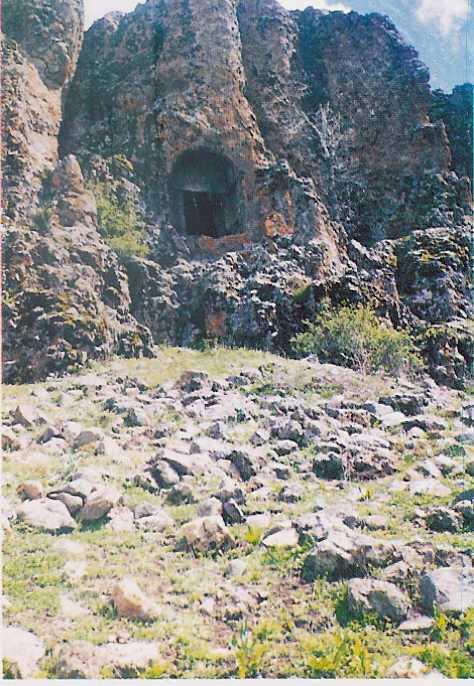
Kale Köyü Kalesi(Kültürportalı)
Province / District | Tunceli / Mazgirt | ||||||||
|---|---|---|---|---|---|---|---|---|---|
Local Settlement | Kale Village | ||||||||
Geographic Location | Built on a high rock formation | ||||||||
Historical Period | Urartian period (especially 7th century BCE) | ||||||||
Structural Detail | a water reservoir located to the east a rock tunnel approximately 30–40 meters long two rock tombs worn stone stairs cuneiform inscription Rock-carved entrance gate | ||||||||
Protection Status | Registered cultural heritage | ||||||||
Kale Köyü Kalesi is built atop a steep and elevated rock formation in Kale Village, within the Mazgirt district of Tunceli. Due to its elevation, the fortress enjoys a natural defensive advantage and occupies a strategic position offering a wide panoramic view of the surrounding area. The natural structure of the site provides both a protected settlement area and favorable conditions for the preservation of historical remains.

Kale Köyü Kalesi (Culture Portal)
The fortress consists entirely of architectural features carved directly into the natural rock substrate. Key elements include:

Kale Köyü Kalesi (Culture Portal)
The historical origins of Kale Köyü Kalesi are linked to the Urartians, one of the major civilizations that influenced Anatolia. The cuneiform inscription found at the site dates the structure specifically to the 7th century BCE. This inscription is a rare example that not only establishes the construction date of the fortress but also provides valuable information on Urartian stonemasonry, language, and construction techniques of the period.

Kale Köyü Kalesi (Culture Portal)
The fortress is officially registered as a cultural asset by the Tunceli Provincial Directorate of Culture and Tourism. Although its accessibility is limited due to its remote location, the remains have been preserved to a significant extent up to the present day. The site attracts interest from local visitors and researchers alike, both for its historical significance and its natural landscape value.

Kale Köyü Kalesi (Culture Portal)
Eren, Sidar Can. Anadolu Ajansı. “Tunceli’deki Kale Köyü Kalesi Urartu tarihine ışık tutuyor.” December 14, 2022. Accessed July 15, 2025. https://www.aa.com.tr/tr/kultur/tuncelideki-kale-koyu-kalesi-urartu-tarihine-isik-tutuyor/2718154
Ministry of Culture and Tourism of the Republic of Türkiye. "Kale Köyü Kalesi." *Kültür Portalı*. Accessed July 15, 2025. https://www.kulturportali.gov.tr/turkiye/tunceli/gezilecekyer/kale-koyu-kalesi

Kale Köyü Kalesi(Kültürportalı)
Province / District | Tunceli / Mazgirt | ||||||||
|---|---|---|---|---|---|---|---|---|---|
Local Settlement | Kale Village | ||||||||
Geographic Location | Built on a high rock formation | ||||||||
Historical Period | Urartian period (especially 7th century BCE) | ||||||||
Structural Detail | a water reservoir located to the east a rock tunnel approximately 30–40 meters long two rock tombs worn stone stairs cuneiform inscription Rock-carved entrance gate | ||||||||
Protection Status | Registered cultural heritage | ||||||||
Henüz Tartışma Girilmemiştir
"Kale Köyü Castle" maddesi için tartışma başlatın
Architectural Layout and Structural Elements
Chronology and Archaeological Significance
Conservation Status and Visit Information