
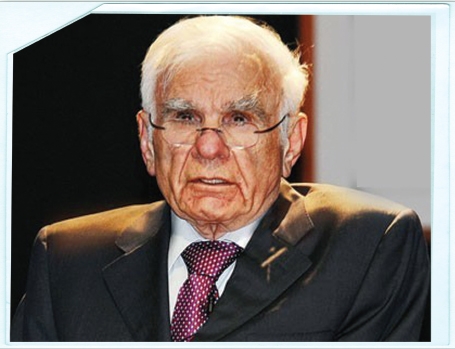

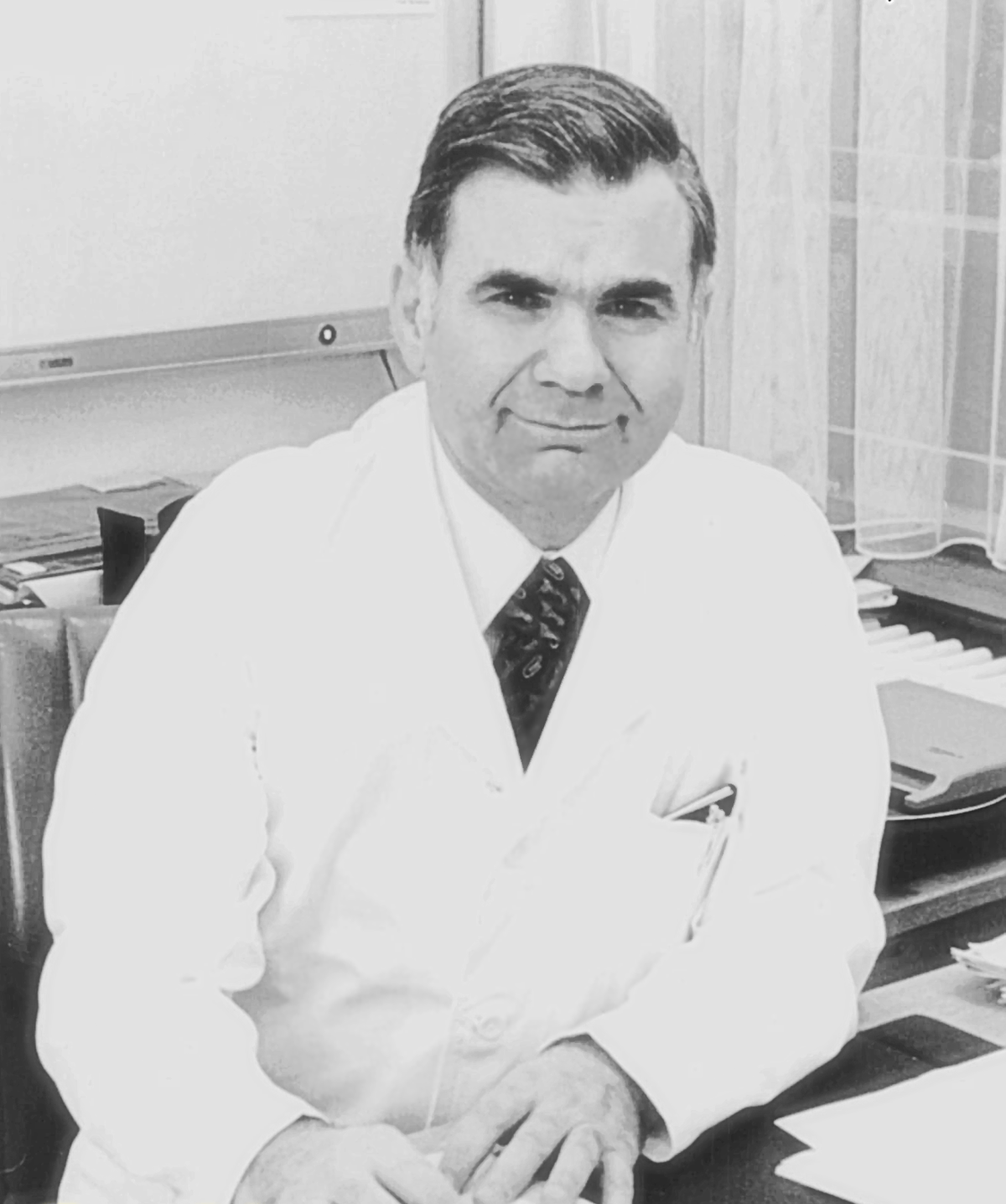
Prof. Dr. Mahmut Gazi Yaşargil is a scientist recognized as one of the pioneers of modern neurosurgery and renowned for his revolutionary contributions in the field of microneurosurgery. Known in the medical world as the “master of the brain,” Yaşargil made a significant international impact through techniques he developed for the surgical treatment of cerebrovascular diseases and brain tumors. He passed away on 11 June 2025.
Gazi Yaşargil was born on 6 July 1925 in the Lice district of Diyarbakır. His father, Mehmet Sait Bey, was a diplomat closely associated with Mustafa Kemal Atatürk. He spent his childhood years in various cities including Ankara, Istanbul, Switzerland and Germany with his family. He began his education in Ankara and later continued his medical studies in Leipzig, Germany. Due to the impact of World War II, Yaşargil was forced to interrupt his education, which he completed after the war at the University of Basel in Switzerland.
Beginning his specialization in neurosurgery in 1953, Yaşargil shaped his career through work at the Neurosurgery Clinic of the University of Zurich. In the 1960s he took a leading role in promoting the use of the microscope in surgical practice. He significantly improved surgical success rates through microsurgical techniques for vascular anastomoses and tumor resections performed under microscopic visualization.
Yaşargil’s contributions to mikroneurosurgery were groundbreaking in the treatment of neurological disorders. The techniques he developed for treating subarachnoid hemorrhage, aneurysms and brain tumors enhanced surgeons’ manual skills and improved patient survival rates. Microsurgical instruments and microscopes designed by him were adopted by numerous medical centers worldwide.
In 1980, Yaşargil was honored by the American Association of Neurological Surgeons with the title “Neurosurgeon of the Century.” He also delivered lectures at multiple medical faculties in the United States of America. After retiring from the University of Zurich in the 1990s, he continued his academic role at the University of Arkansas for Medical Sciences.
Prof. Dr. Yaşargil’s numerous scientific articles and books on microneurosurgery are among the foundational texts of modern brain surgery. The surgeons and students he trained now hold leading positions in neurosurgery across the globe. His disciplined approach, technical mastery and scientific curiosity continue to influence generations through his legacy.
Yaşargil received numerous awards from scientific academies and institutions and was granted many honorary titles, including membership in the Turkish Academy of Sciences (TÜBA). Hospitals, schools and medical centers in Türkiye have been named in his honor. The Gazi Yaşargil Education and Research Hospital in Diyarbakır is one of the prominent health institutions bearing his name.
Gazi Yaşargil passed away on 11 June 2025. The news of his death was officially announced to the public on the same day by Health Minister Kemal Memişoğlu.

Henüz Tartışma Girilmemiştir
"Mahmut Gazi Yaşargil" maddesi için tartışma başlatın
Early Life and Education
Academic Career and Scientific Contributions
International Recognition
Academic Publications and Students
Awards and Legacy
Death