

Bu içerik Türkçe olarak yazılmış olup yapay zeka ile otomatik olarak İngilizceye çevrilmiştir.
+2 Daha
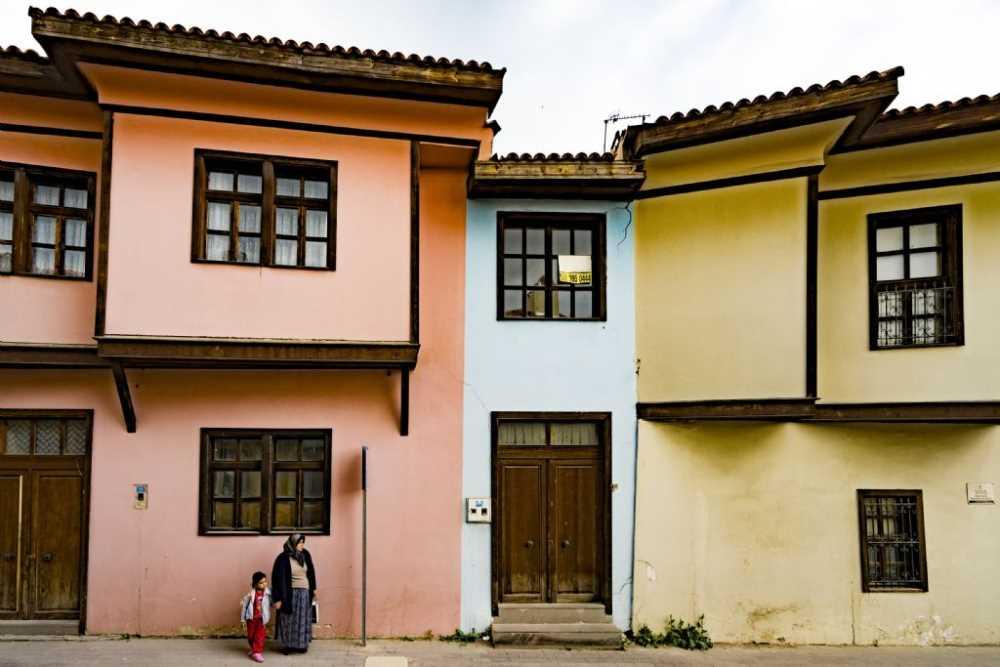
Old Uşak houses are one of the cultural heritage elements reflecting the traditional residential fabric of Uşak province. These houses are original structures that embody the identity of Uşak city through their historical, cultural, and architectural features. Concentrated in the city center, these houses are predominantly two-story dwellings distinguished by their gabled roofs and courtyard layouts. The design of these buildings reflects a harmony with the local lifestyle of their time.
Old Uşak houses typically consist of a ground floor and a first floor. The ground floors are constructed using stone, while the upper floors feature adobe or timber-framed wall systems. Built on stone foundations, these structures are notable for their durability and adaptation to local climatic conditions. The roofs are of a broken-pitch form and are generally covered with Turkish-style clay tiles.
In the floor plan, the “sofa,” a shared living space, occupies a central role. Rooms are arranged around this area, following the traditional Turkish house plan type. On the exterior facades, bay windows (cumba), window sequences, and wooden joinery stand out as prominent architectural elements. Additionally, some houses feature intricately carved wooden doors and windows, offering original details that reflect the craftsmanship of the period.
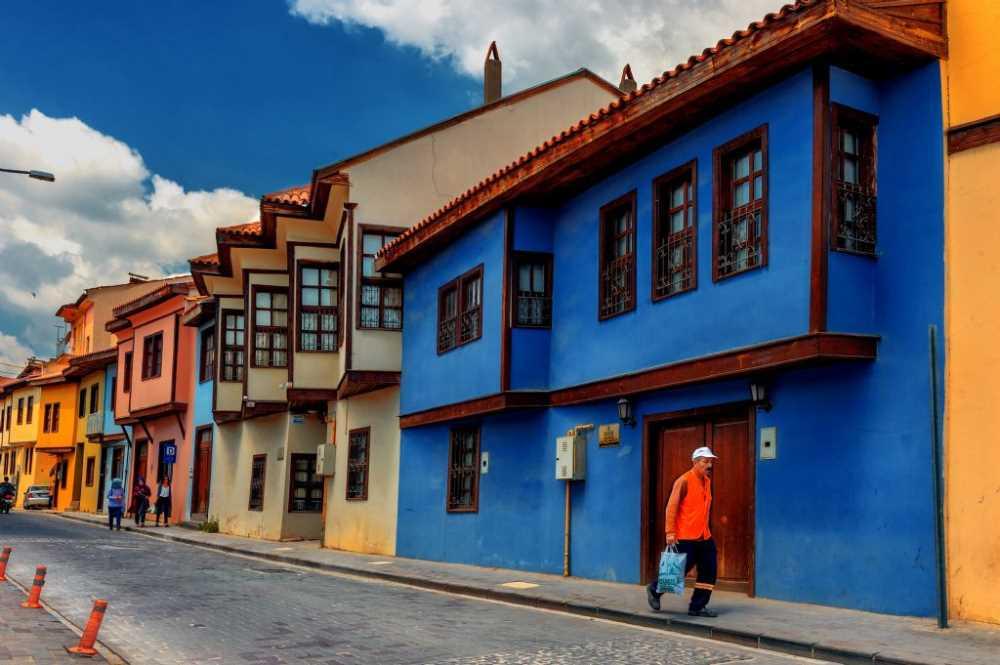
Old Uşak Houses (Mehmet Çakır. Kültürportalı)
The primary materials used in traditional Uşak houses are stone, adobe, wood, and clay tiles. Ground floors are typically built with cut stone or rubble stone, while upper floors are completed with timber-framed adobe walls. This construction system ensures efficient use of local materials while providing structural flexibility against natural events such as earthquakes. Roofs are finished with clay tiles laid over a wooden beam system.
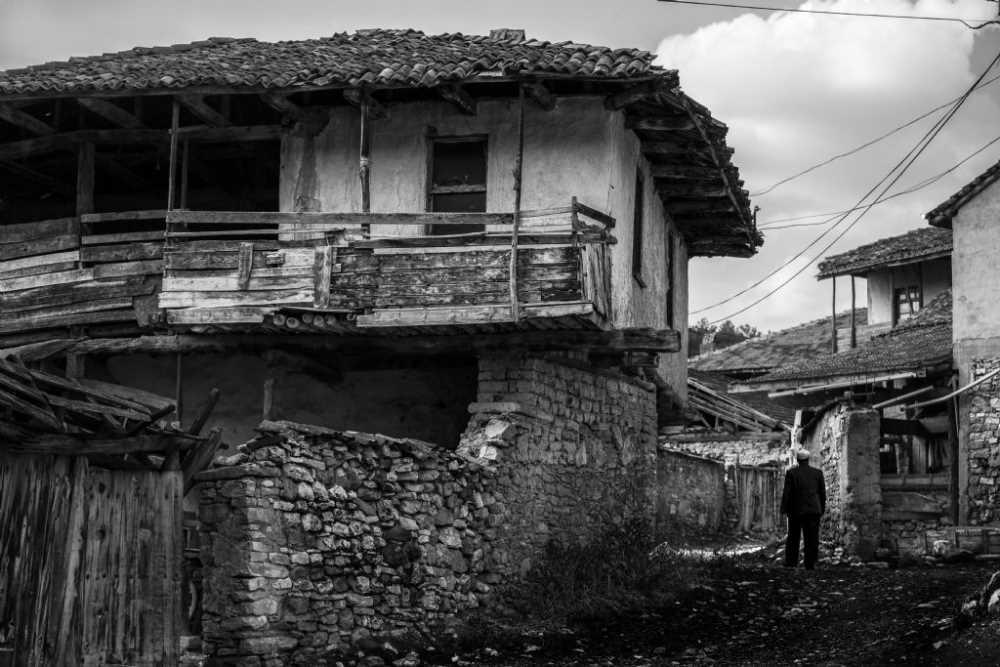
Old Uşak Houses (Banur Toz. CulturePortal)
In some examples, the interior space usage reflects the haremlik-selamlık division, although rooms are generally designed for multiple purposes. Each room includes elements such as a hearth, storage alcoves, and raised platforms. These features demonstrate that the house was designed to support both daily life and hospitality customs. Moreover, the presence of internal courtyards or gardens in most houses exemplifies the traditional relationship between daily life and nature.
The Uşak Governorship, Uşak Municipality, and relevant units under the Ministry of Culture and Tourism are carrying out various initiatives to preserve and promote traditional Uşak houses. Within this framework, certain buildings with original architectural features are being restored and integrated into urban tourism. One such house, the Dokur House, stands out both for its architectural qualities and as a typical example of traditional Uşak houses, and is open to local visitors.
Old Uşak houses are presented to visitors as living witnesses of Uşak’s historical urban fabric and hold a significant place in the city’s cultural memory. In promotion activities conducted by the Ministry of Culture and Tourism, these houses feature prominently for their architectural and cultural value, attracting both domestic and international tourists.

Henüz Tartışma Girilmemiştir
"Old Uşak Houses" maddesi için tartışma başlatın
Architectural Features and Planning
Materials and Construction Techniques
Relationship with Social Life and Interior Space Usage
Conservation and Promotion Activities
Tourism and Cultural Value