

Bu içerik Türkçe olarak yazılmış olup yapay zeka ile otomatik olarak İngilizceye çevrilmiştir.
+1 Daha
The Radium Girls is the name given to female workers who, from the late 1910s to the late 1920s, applied luminous radium-based paint to watch dials and military equipment in various factories across the United States. Due to incorrect instructions to sharpen their brushes with their lips, these workers ingested high doses of radioactive radium and suffered severe health problems.
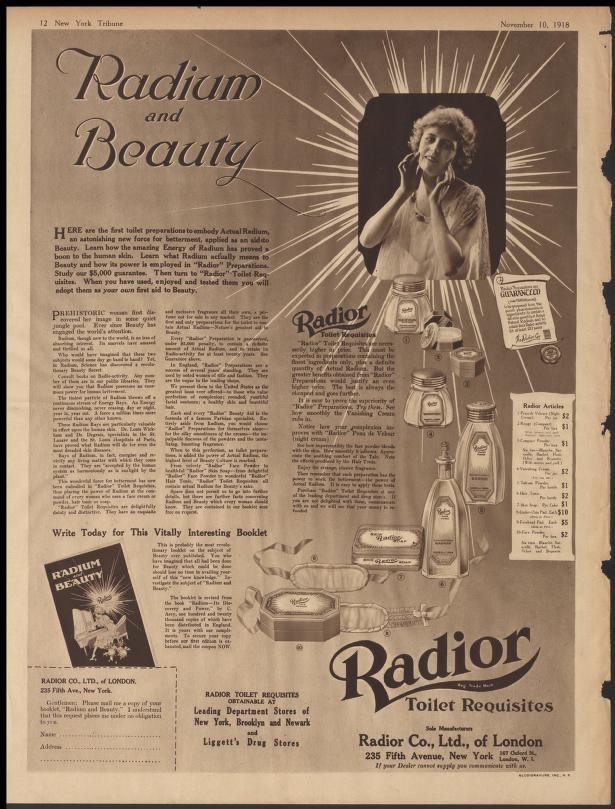
A Newspaper Article Claiming Radium Beautifies (Library of Congress)
Radium, discovered in 1898 by Nobel laureates Marie Curie and Pierre Curie, quickly became a global sensation due to its blue-green glow and effervescent appearance. At the time, its properties were not yet fully understood, and its success in cancer treatment led to a mistaken generalization that it was a “miracle” substance.
During this period, radium was marketed as a health tonic for a wide range of conditions, from the common cold to arthritis, gout, and aging. A “radium craze” swept through social life, with radium added to countless consumer products—from toothpaste and face creams to hair care items and food. In particular, radium mixtures dissolved in distilled water, such as “Radithor,” were sold to the public with the slogan “Infinite Sunlight,” promising to restore energy.【1】
Within this commercial atmosphere, the luminous paint developed by American inventor William J. Hammer—by mixing radium salts with glue and zinc sulfide—achieved industrial application. In 1916, factories established in New Jersey began producing watch dials using this paint under the commercial name “Undark.”【2】
With the outbreak of World War I, the U.S. military contracted factories to produce watch dials for aircraft instruments and wristwatches usable by soldiers during nighttime operations. This surge in demand opened the door for thousands of young women to be employed as “artists” with high wages. Indeed, women recommended these opportunities to friends and sisters, turning factories into centers where groups of young women worked together.
The production of luminous watches became an industry after 1916, with thousands of young women employed in factories established in regions such as New Jersey. Workers were taught a special technique called “lip-pointing” to precisely paint the millimeter-scale numerals on watch and military equipment dials.
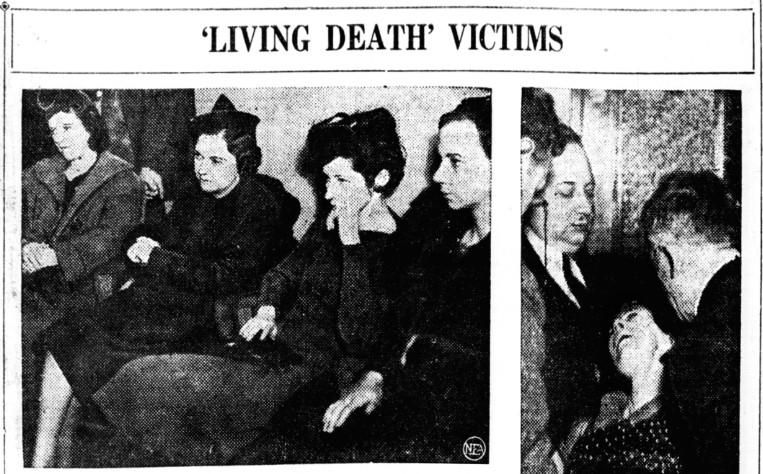
A Newspaper Article About Victims Poisoned by Radium (Library of Congress)
According to this method, workers were required to shape the tips of their fine camel-hair brushes by placing them in their mouths before and after dipping them into the radium paint. Women painting over 200 watch dials per day, repeating this process for each numeral, unknowingly ingested radium with every brushstroke.
When some workers noticed the paint had a gritty, unpleasant taste and questioned the safety of this practice, factory managers assured them that radium was harmless and even a source of “vital energy.” However, exposure was not limited to ingestion; the factory environment itself became contaminated with radioactive dust. The scale of exposure was so severe that later investigations detected intense radioactive luminescence on the workers’ chairs, undergarments, and even stockings.【3】
The glowing radium dust released during paint mixing settled on the workers’ hair, faces, hands, and clothing. So much so that women would leave work at night glowing in the dark—a phenomenon considered fashionable at the time. Some workers even came to the factory in their finest dresses, treating their luminous appearance as a privilege during evening outings.
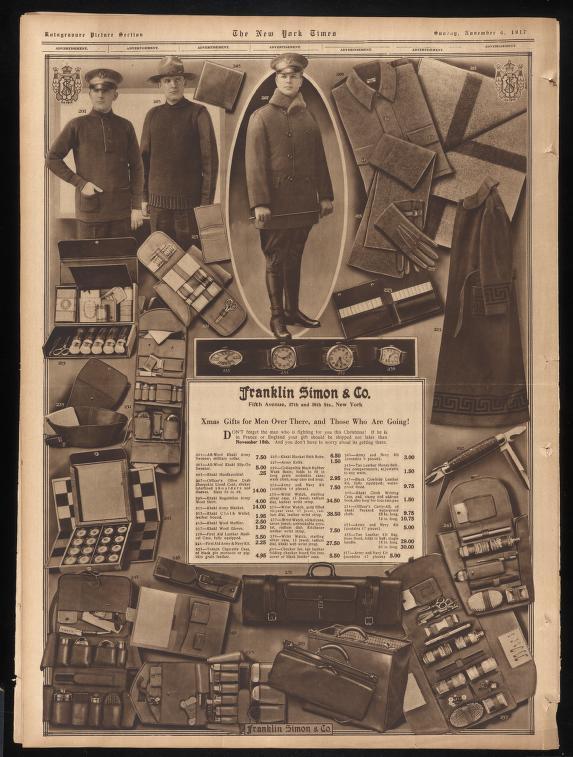
An Advertisement for Radium Watches (Library of Congress)
In the legal battle of the Radium Girls, physicist Elizabeth Hughes, aged 30, became one of the key figures who scientifically proved the poisoning suffered by the victims. Previously employed in the radium division of the National Bureau of Standards (NBS), Hughes had personally learned from her supervisor Noah Dorsey about the hidden dangers of radium and the severe burns caused by handling radioactive samples.
In 1920, Hughes briefly worked as a physicist for the USRC company, during which she measured radiation levels in the factory and managed quality control procedures, giving her technical insight into the system’s operations. In 1928, during the court proceedings, Hughes was called as an expert witness by the plaintiffs’ attorney Raymond Berry and used a sensitive device called the “Lind electrometer” to analyze breath samples from five women.【4】
In Hughes’s analytical method, the women inhaled through special bottles containing calcium chloride, glass wool, and sulfuric acid for five minutes, producing purified radon gas samples free of moisture and dust. When these breath samples were introduced into the electrometer’s chamber, the alpha radiation emitted from their breath caused the gold leaf inside the device to move at least twice as fast as its normal drift rate.【5】
This demonstrated that the women had ingested radium in doses toxic enough to poison them. Despite the company’s lawyers attacking Hughes as merely a “housewife” with insufficient laboratory experience, the judge accepted her scientific evidence as the pivotal proof that changed the course of the case.
Radium exposure began manifesting as irreversible physical damage within a few years among the dial painters. The earliest and most common symptoms were tooth loss, severe mouth pain, and non-healing wounds following tooth extractions. This condition, known in medical literature as “radium jaw,” resulted from radium eroding bone tissue from within, rendering jawbones so fragile that even a light touch by a physician could cause them to fracture spontaneously. In the case of Mollie Maggia, who died at age 22, the entire lower jawbone was easily removed by her doctor in one piece.【6】
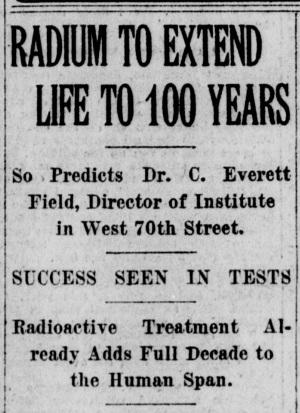
A Newspaper Article Claiming Radium Extends Average Lifespan to 100 Years (Library of Congress)
The alpha radiation entering the body did not only target the jaw but attacked the entire skeletal system, damaging bones from within outward. This led to hip and spinal collapses in many women. Some workers were forced to wear steel supports from their necks to their waists just to stand upright. In addition to bone necrosis, aplastic anemia caused by radiation damage to bone marrow and bone cancer in advanced stages led to the deaths of these women, many of whom were only in their twenties.
Although death certificates of many victims initially listed other diseases such as syphilis, to protect the company’s reputation and avoid compensation, subsequent autopsies and scientific investigations confirmed that radium poisoning was the true cause of death.
Radium exhibits a chemical structure similar to calcium, which the human body processes in the same way. This similarity triggers a fatal biological process: when ingested, the body mistakes radium for calcium and incorporates it directly into bone structure. Once embedded in bones, radium remains permanently, continuously bombarding bone tissue and the bone marrow—where blood cells are produced—with high-energy alpha radiation. This internal irradiation destroys bone cells, causing bones to become porous, lose density, and develop tissue death known as necrosis.
Because radium has a half-life of 1,600 years, once inside the body it continues to burn tissues from within. This results in a “bone-eating” process: bones deteriorate from the inside out, forming holes, causing spinal collapse, and leading to spontaneous leg fractures. In dial painters who ingested high doses of radium, radiation-induced bone cancer and bone necrosis developed within just a few years. This radioactive element, replacing calcium in the skeleton, transformed victims’ skeletal systems into radioactive waste repositories, turning them into living corpses.
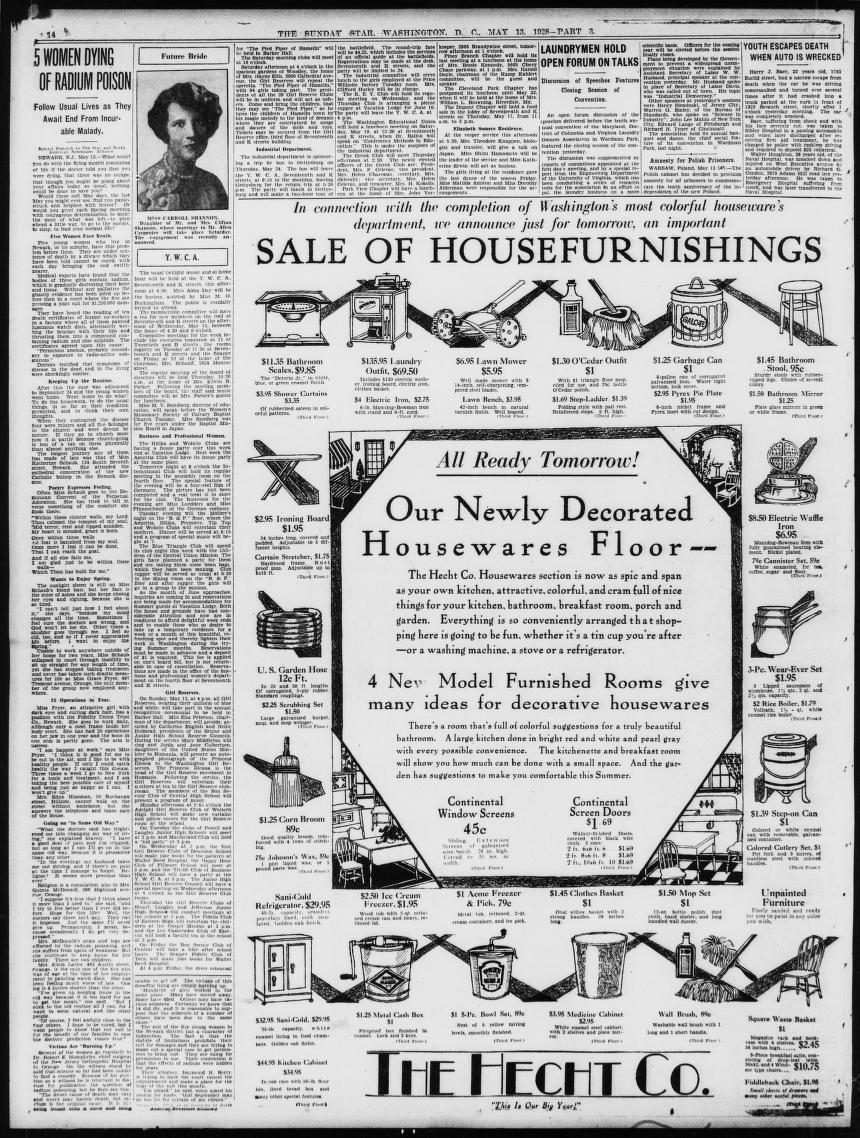
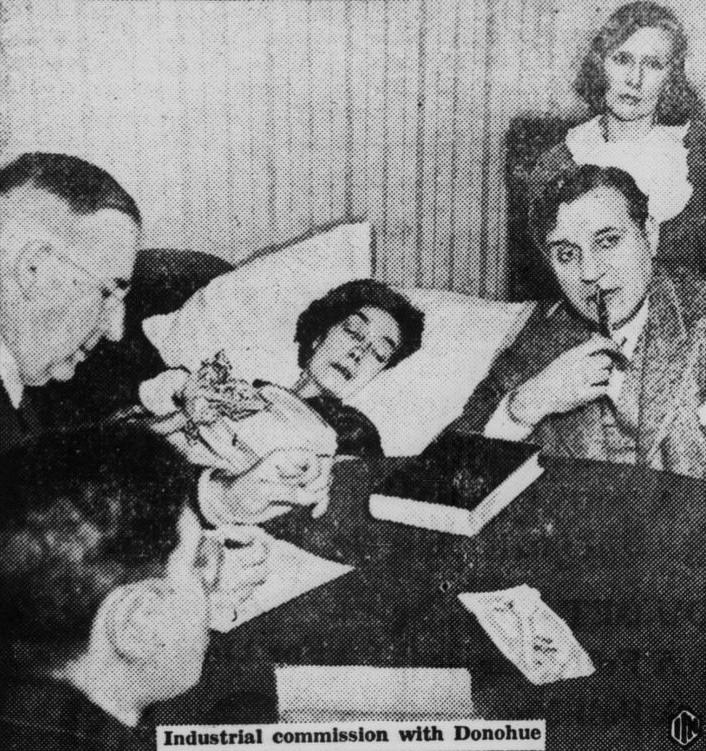
A Newspaper Article About Five Women Poisoned by Radium (Library of Congress)
The legal battle of the Radium Girls began in 1925 when Grace Fryer, a worker at the New Jersey factory, along with four colleagues (Quinta Maggia McDonald, Edna Hussman, Albina Larice, and Katherine Schaub), filed a $250,000 lawsuit against the United States Radium Corporation (USRC). The company, hoping the plaintiffs would die before the trial, employed various delaying tactics, claiming the illnesses appeared years after employment and could not be linked to radium. It also sought delays by arguing that expert witnesses would be traveling abroad during summer. However, public outrage and media portrayals of the women as “living dead” forced the court to proceed with the trial in 1928.【7】
Faced with scientific evidence such as Elizabeth Hughes’s breath analyses and seeking to avoid further negative publicity, the company reached an out-of-court settlement while the hearings were ongoing. On June 4, 1928, the agreement stipulated that each surviving woman would receive a lump sum of $10,000, all past and future medical expenses would be covered, and an annual pension of $600 would be provided.【8】
Following the victory in New Jersey, radium workers in other states such as Illinois and Connecticut, where similar incidents occurred, also launched legal battles. In 1929, Elizabeth Hughes, continuing her collaboration with attorney Raymond Berry, analyzed the breath sample of another dial painter, Mae Cubberley Canfield, playing a crucial role in forcing USRC into another out-of-court settlement using her scientific evidence.
By the end of the 1930s, the U.S. Supreme Court rejected the companies’ final appeals, legally establishing radium exposure as an occupational disease. During this period, the Food and Drug Administration (FDA) banned misleading packaging and the marketing of radium-based products as “miracle cures,” bringing public health under protection.
Changes also occurred in occupational health: the “lip-pointing” technique was completely abandoned, and protective equipment such as lead-lined aprons, fume hoods, and specialized tweezers were provided to workers. In 1949, the United States Congress passed legislation granting workers legal protection to claim compensation for occupational diseases. Radium paint continued to be used under these safety measures for some time, but its use on watch dials was fully banned in 1968, replaced by safer alternatives.
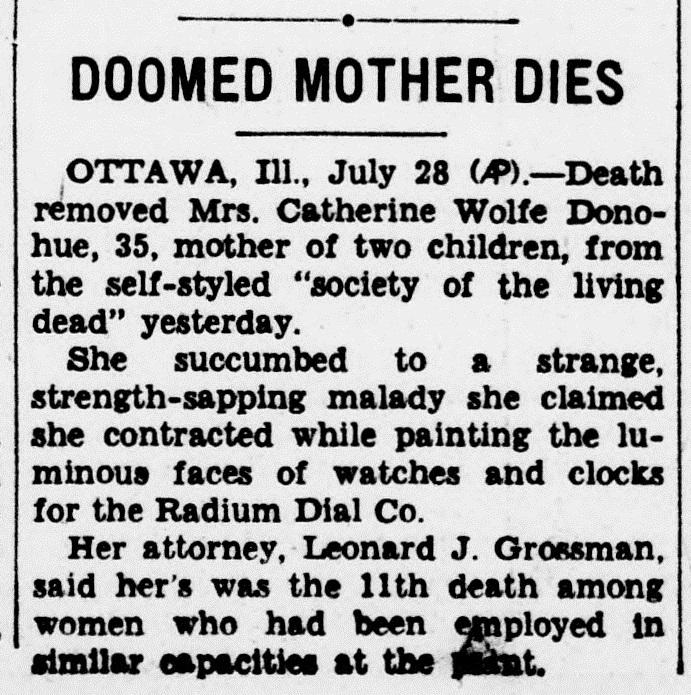
A Newspaper Article on the Death of a Woman from Radium Poisoning (Library of Congress)
The ordeal of the Radium Girls laid the foundational stones of modern radiation safety and radiological protection, fundamentally transforming the scientific understanding of radiation’s effects on the human body. The high doses these women endured and the symptoms they exhibited became primary data sources for establishing human tolerance limits and safety thresholds for radiation exposure.
In the 1950s, during the Cold War, many surviving workers volunteered for invasive medical examinations to contribute to science, enabling long-term effects of accumulated radium and radon in the body to be documented. This scientific legacy was evident in the Manhattan Project: nuclear chemist Glenn Seaborg and physician Louis Hempelmann, among others, cited the Radium Girls’ case as a warning and insisted on strict safety protocols while working with plutonium.
Doctors involved in the Manhattan Project visited radium dial facilities in Boston to study contamination tests and fume hood work methods, ensuring that thousands of workers involved in the development of the atomic bomb were protected from a similar fate. Today, the principle in occupational health and safety laws that prohibits using workers as guinea pigs for new or untested substances, as well as legal protections against occupational diseases, stand as a legacy of these workers who lost their lives.
[1]
Jacopo Prisco, “Radium Girls: The Dark Times of Luminous Watches.” CNN, Access date: 2 February 2026, https://edition.cnn.com/2017/12/19/style/radium-girls-radioactive-paint.
[2]
Atomic Heritage Foundation, “The Radium Girls.” National Museum of Nuclear Science & History, Access date: 2 February 2026, https://ahf.nuclearmuseum.org/ahf/history/radium-girls/.
[3]
Atomic Heritage Foundation, “The Radium Girls.” National Museum of Nuclear Science & History, Access date: 2 February 2026, https://ahf.nuclearmuseum.org/ahf/history/radium-girls/.
[4]
Ron Cowen, “New Jersey’s ‘Radium Girls’ and the NIST-Trained Scientist Who Came to Their Aid.” National Institute of Standards and Technology, Access date: 2 February 2026, https://www.nist.gov/blogs/taking-measure/new-jerseys-radium-girls-and-nist-trained-scientist-who-came-their-aid.
[5]
Ron Cowen, “New Jersey’s ‘Radium Girls’ and the NIST-Trained Scientist Who Came to Their Aid.” National Institute of Standards and Technology, Access date: 2 February 2026, https://www.nist.gov/blogs/taking-measure/new-jerseys-radium-girls-and-nist-trained-scientist-who-came-their-aid.
[6]
Jacopo Prisco, “Radium Girls: The Dark Times of Luminous Watches.” CNN, Access date: 2 February 2026, https://edition.cnn.com/2017/12/19/style/radium-girls-radioactive-paint.
[7]
Atomic Heritage Foundation, “The Radium Girls.” National Museum of Nuclear Science & History, Access date: 2 February 2026, https://ahf.nuclearmuseum.org/ahf/history/radium-girls/.
[8]
Atomic Heritage Foundation, “The Radium Girls.” National Museum of Nuclear Science & History, Access date: 2 February 2026, https://ahf.nuclearmuseum.org/ahf/history/radium-girls/.


Henüz Tartışma Girilmemiştir
"Radium Girls" maddesi için tartışma başlatın
Origins
Work Methods and Exposure
Elizabeth Hughes and Scientific Evidence
Health Effects
Physiological Effects of Radium on the Body
Legal Proceedings and Achieved Rights
Subsequent Lawsuits and Regulations
Scientific and Historical Impact