


Bu içerik Türkçe olarak yazılmış olup yapay zeka ile otomatik olarak İngilizceye çevrilmiştir.
+1 Daha
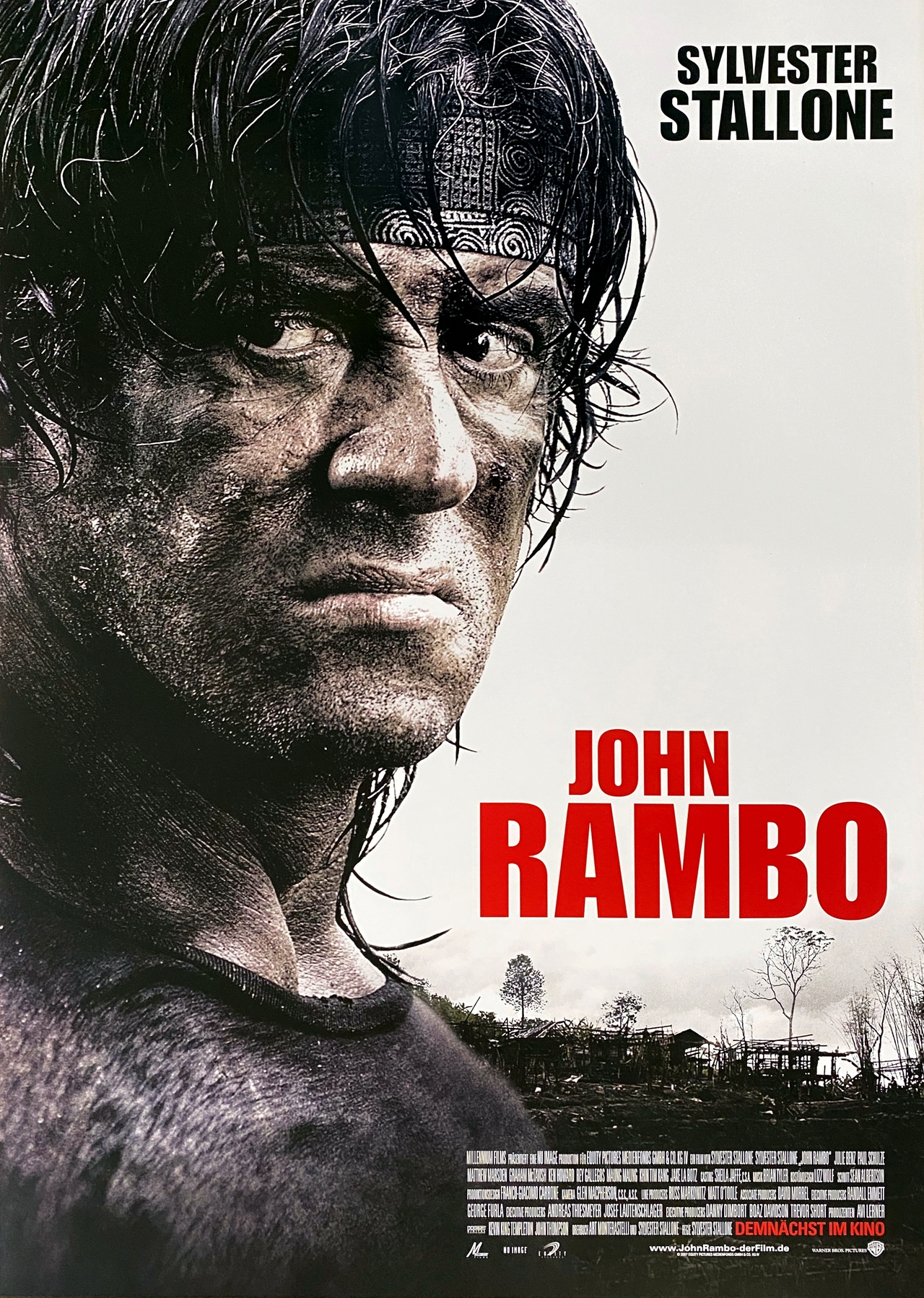
Rambo 4 is an American action film released in 2008, centering on the action hero John Rambo, portrayed by famous. This fourth installment in the series is notable for Sylvester Stallone both starring in and directing the film film.
The film follows war veteran Rambo as he attempts to rescue aid workers who have been kidnapped in Myanmar. Continuing the tone and militaristic atmosphere of its predecessors, the film draws attention for its intense violent elements.
The film recounts how John Rambo, living a quiet life in Thailand’s northern region, is drawn back into war after a group of Christian missionaries attempting to help the Karen people disappear near the Myanmar (Burma) border on.
To rescue the volunteers, Rambo joins a deadly operation with mercenaries together. In the process, he confronts his past and once again faces the brutal nature of war.

John Rambo and Sarah Miller (IMDb)
Rambo 4 goes beyond the conventions of an action film by placing the barbarism of war, the destructive nature of violence, and the personal boundaries of justice at its core. The film particularly emphasizes the realism and savagery of violence. Civilian massacres, child soldiers, landmines, and war crimes are depicted through graphic scenes to draw attention to human rights abuses in Myanmar like.
The film also attempts to explore the psychological state of the main character, but its primary focus remains on physical action and conflict.
The film features a darker and harsher narrative compared to previous entries in the series. The depicted scenes of violence reflect the ugliness and tragedy of war with a documentary-like approach. While some critics have condemned the film for excessive violence, others have praised it for highlighting the merciless nature of war praise.
One of the film’s most striking scenes is the sequence in which Rambo stands alone against Myanmar soldiers using a heavy machine gun. This stage only stands out not only for its action but also for its cinematic storytelling. Stallone expresses the character’s inner rage almost as a primal outburst of violence. The scene is intensified through rapid editing, handheld camera work, and bloody effects. It aims to reveal both Rambo’s identity as a war machine and his internal ethical dilemmas.

The standout machine gun scene from Rambo 4 (Letterboxd)
The music composed by Brian Tyler is designed to support the film’s dramatic structure and tension atmosphere. Tyler reinterprets Jerry Goldsmith’s iconic themes from earlier Rambo films, establishing a nostalgic vine. Particularly, the melancholic theme supported by string instruments aims to convey Rambo’s loneliness and inner turmoil. During action sequences, fast-paced percussion instruments and electronic effects heighten tension. The film’s sound design is also highly layered: gunshots, explosions, and natural ambient sounds are meticulously crafted.
The film received generally mixed reviews. While some critics found it superficial in terms of script and weak in character development, the prevailing opinion acknowledges its strength in action sequences and atmosphere.
As part of the Rambo series series, the nationalist-militarist tone of the 1980s films has evolved in this entry into a more nihilistic and personal quest for justice. Rambo: Last Blood, released in 2019, is the fifth installment in the series following this film.
Rambo 4 is regarded as a film that brought a new weight and seriousness to the action genre, distinguished by its harsh realism. Particularly for its narrative that confronts the merciless nature of war, it is considered the darkest and bloodiest film in the series. Sylvester Stallone’s performance, both as lead actor and director, played a key role in sustaining the character’s iconic status.

Henüz Tartışma Girilmemiştir
"Rambo 4" maddesi için tartışma başlatın
Synopsis
Themes and Narrative
Main Cast
Realism and Violence Elements in the Film
Film Music and Sound Design
Critical Reception and Box Office Performance
Place in the Series and Sequel