

Bu içerik Türkçe olarak yazılmış olup yapay zeka ile otomatik olarak İngilizceye çevrilmiştir.
+2 Daha
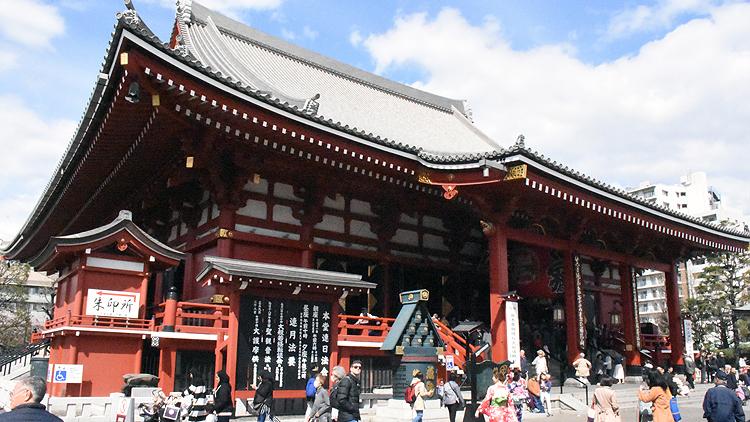
Senso-ji Temple, located in the Asakusa district of Japan’s capital, Tokyo, is known as the city’s oldest Buddhist temple. The temple is dedicated to Avalokitesvara Bodhisattva (Sho Kanzeon Bosatsu), who represents the compassion of all Buddhas, and is commonly referred to by the public as Asakusa Kannon. It belongs to the Sho Kannon Sect. This widely recognized religious center attracts an average of 30 million visitors annually.
The history of Senso-ji Temple dates back to 628 and it is Tokyo’s oldest temple. According to its founding legend, Hinokuma Hamanari and his brother Takenari discovered a statue of Avalokitesvara Bodhisattva (Kannon) in the Sumida River, and the local leader Haji no Nakatomo converted his home into a shrine to house this sacred object.
In 645, Priest Shokai, following a divine revelation received on a dream, decided to permanently conceal the original statue (Hibutsu). In the ninth century, Priest Ennin commissioned a second statue resembling the original so that the public could worship it. From the Kamakura Period onward, the temple received support from shoguns and military leaders, and in 1590 it was designated by Tokugawa Ieyasu as the central site for the shogunate’s prayers. During this time, devotion to Kannon spread among the populace, and Asakusa, where the temple is located, became the cultural center of the city during the Edo Period (1603–1867). The temple continues to preserve this historical and cultural significance today.

Senso-ji Temple (Picryl)
Senso-ji Temple spans a large area and houses numerous structures:

Hozo-mon Gate (Flickr)
The temple hosts numerous events throughout the year:

Bean Throwing Ceremony during Setsubun (Flickr)
Senso-ji Temple, located in the Asakusa district of Tokyo, is easily accessible via the city’s extensive public transportation network.
The most common and practical way to reach the temple is by subway. Visitors can take the Ginza Subway Line directly to Asakusa Station. It is also possible to reach Asakusa by train from Tokyo Station or Shinjuku Station in approximately 20 to 30 minutes. After exiting the station, follow signs to the Kaminarimon Gate, the temple’s main entrance, and walk to the temple grounds.
Senso-ji is open daily from 6:00 AM to 5:00 PM. The temple complex offers good accessibility for visitors due to its proximity to public transport and generally flat terrain. Transportation options and the surrounding area are wheelchair accessible.

Henüz Tartışma Girilmemiştir
"Senso-ji Temple" maddesi için tartışma başlatın
Historical Development of Senso-ji Temple
Architecture and Key Structures
Annual Events
Access and Visitor Information
Access
Visitor Information and Accessibility