


Bu içerik Türkçe olarak yazılmış olup yapay zeka ile otomatik olarak İngilizceye çevrilmiştir.
+2 Daha
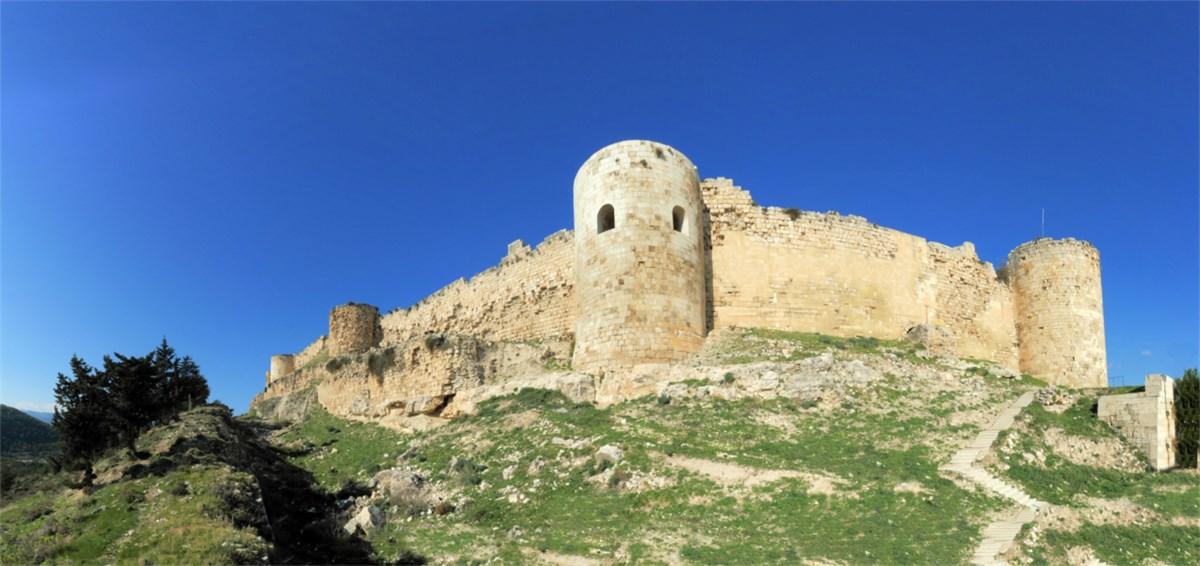
Silifke Castle is located on a hill 185 meters above sea level within the boundaries of the Silifke district of Mersin. The castle was strategically constructed due to its position along a vital transit route connecting Anatolia with Cyprus, making it militarily and commercially significant throughout history. Its location on ancient pilgrimage and trade routes ensured continuous settlement and prolonged struggles for control over the site.
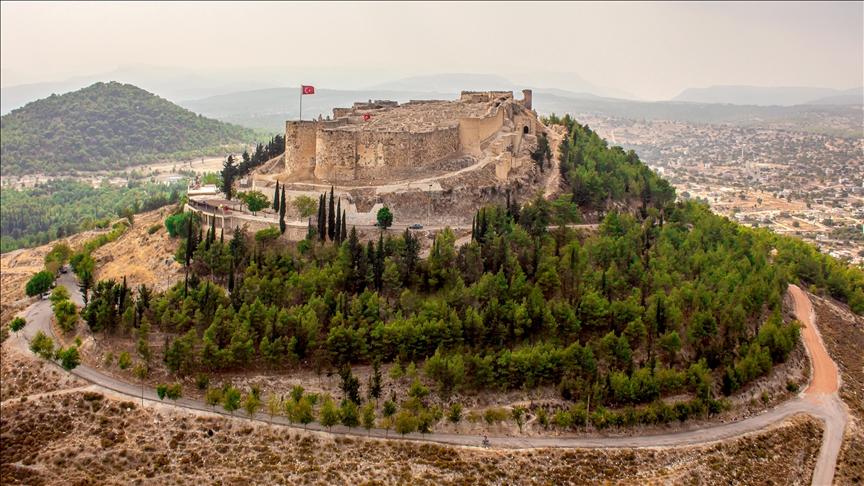
Silifke Castle (Anadolu Agency)
Silifke and its surroundings have attracted the attention of various civilizations since antiquity due to their geographical position. The region entered recorded history in the 7th century BCE when the Ionians established a colony named Holmi. Around 300 BCE, Seleucus I Nicator, founder of the Seleucid Empire, relocated the population of Holmi to the site of present-day Silifke and founded the city of Seleukeia. During the Hellenistic period, Silifke changed hands between the Ptolemaic and Seleucid kingdoms, and by the 1st century BCE it came under Roman rule.
During the Roman Empire, under Emperor Diocletian (284–305 CE), it became the capital of the province of Isauria. After the division of the Roman Empire in 395 CE, it remained within the Eastern Roman (Byzantine) territories. Due to the presence of Saint Thecla, it became an important Christian pilgrimage center during the Byzantine era. The castle was captured by the Seljuks in the 13th century, then by the Karamanids in the 14th century, and finally incorporated into the Ottoman Empire in 1471 by the Ottoman army under Gedik Ahmet Pasha.
The foundations of Silifke Castle date back to the Hellenistic or early Roman period. Through successive repairs and modifications over time, the castle has acquired the appearance of a medieval structure. The oval-shaped castle is surrounded by a dry moat and contains arched galleries, water cisterns, storage rooms, and various structural remains. According to Evliya Çelebi’s Travelogue, in the 17th century the castle contained 23 towers, a mosque, and 60 houses. Today, only ten of these towers remain standing.
Traces from the Roman, Byzantine, Karamanid, and Ottoman periods are visible in three distinct cultural layers identified within the castle. During the Ottoman period, the castle was not only a defensive structure but also transformed into a residential and commercial center. The presence of the Sultan Bayezid Camii and surrounding social and commercial buildings within the castle illustrates the transition to a castle-town model during this era.
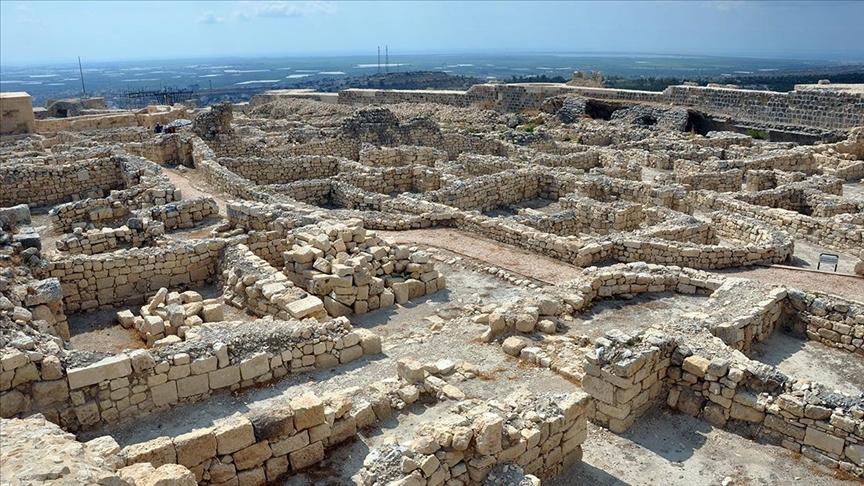
Silifke Castle Excavation Area (Anadolu Agency)
Excavation and restoration efforts began in 2011 through a joint project undertaken by the Ministry of Culture and Tourism and universities. The excavations are led by Professor Dr. Ali Boran of the Department of Art History at Ankara Hacı Bayram Veli University Faculty of Letters. To date, 80 percent of the 30,000 square meter excavation area has been uncovered.
Excavations have revealed nearly 500 residential units, places of worship, street layouts, and commercial structures, along with portable cultural artifacts such as ceramics, glass, and metal objects. Work in areas designated as Hisarpeçe has shed light on the reconstruction processes of the Ottoman period. Upon completion of the excavation and restoration works, the castle is planned to be opened to tourism as a significant archaeological site under cultural heritage protection. Artifacts recovered are displayed at the Silifke Museum.
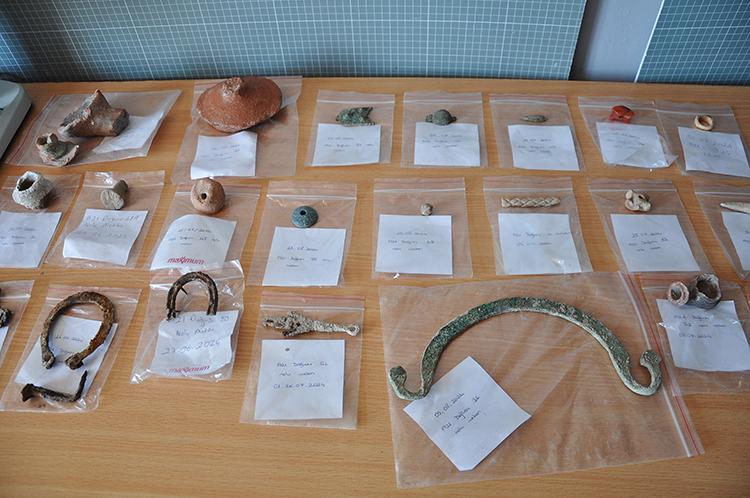
Artifacts Found Within Silifke Castle (Anadolu Agency)
Anadolu Ajansı. "Silifke Kalesi’ndeki Çalışmalar ‘Geleceğe Miras’ Projesiyle İvme Kazandı." Accessed April 22, 2025. https://www.aa.com.tr/tr/kultur/silifke-kalesindeki-calismalar-gelecege-miras-projesiyle-ivme-kazandi/3339313
Anadolu Ajansı. “Mersin Silifke Kalesi kazılarında sona gelindi.” Accessed April 22, 2025. https://www.aa.com.tr/tr/kultur/mersin-silifke-kalesi-kazilarinda-sona-gelindi/2961220
Aykaç, Razan, and Ali Boran. “SİLİFKE KALESİ HİSARPEÇE BÖLÜMÜ KAZILARI”. Stratejik Ve Sosyal Araştırmalar Dergisi 7, no. 2 (July 2023): 401-25. https://doi.org/10.30692/sisad.1277764
Hacı Bayram Veli Üniversitesi. “Üniversitemiz-Kültür ve Turizm Bakanlığı ortaklığıyla Silifke Kalesi’nde kazı.” Hacı Bayram Veli Üniversitesi. Accessed April 22, 2025. https://www.hacibayram.edu.tr/web/universitemiz-kultur-ve-turizm-bakanligi-ortakligiyla-silifke-kalesinde-kazi
Silifke Municipality. "Silifke Kalesi." Silifke Belediyesi Web Sitesi. Accessed April 22, 2025. https://silifke.bel.tr/Content?header=5&title=70
T.C. Ministry of Culture and Tourism. "Silifke." Mersin İl Kültür veTurizm Müdürlüğü. Accessed April 22, 2025. https://mersin.ktb.gov.tr/TR-73147/silifke.html
T.C.Silifke Kaymakamlığı Governorship. "Silifke Kalesi." Accessed April 25, 2025. http://www.silifke.gov.tr/silifke-kalesi#gallery-3

Henüz Tartışma Girilmemiştir
"Silifke Castle" maddesi için tartışma başlatın
Historical Development
Architectural Features
Excavation and Restoration Works