

+1 Daha

Sultan Kösen
Babası | Abdulkadir Kösen | ||||||||
|---|---|---|---|---|---|---|---|---|---|
Eş | Merve Dibo (e. 2013 - b. 2019) | ||||||||
Annesi | Cemile Kösen | ||||||||
Yaş | 42 | ||||||||
Doğum tarihi | 1982-12-10 | ||||||||
Siblings | Hasan Kosen, Cemal Kösen | ||||||||
Height(s) | 2.51 m | ||||||||
Shoe Size | 60 | ||||||||
Place of Birth | Türkiye - Mardin | ||||||||
Sultan Kösen is officially recognized by Guinness World Records【1】 as the tallest living person. He was born in 1982 in Alibey village, Derik district of Mardin province in Türkiye. Of rural origin, Kösen’s extraordinary height is not only a physiological trait but has also become a symbolic example of the structural challenges faced in regions with limited access to healthcare services.

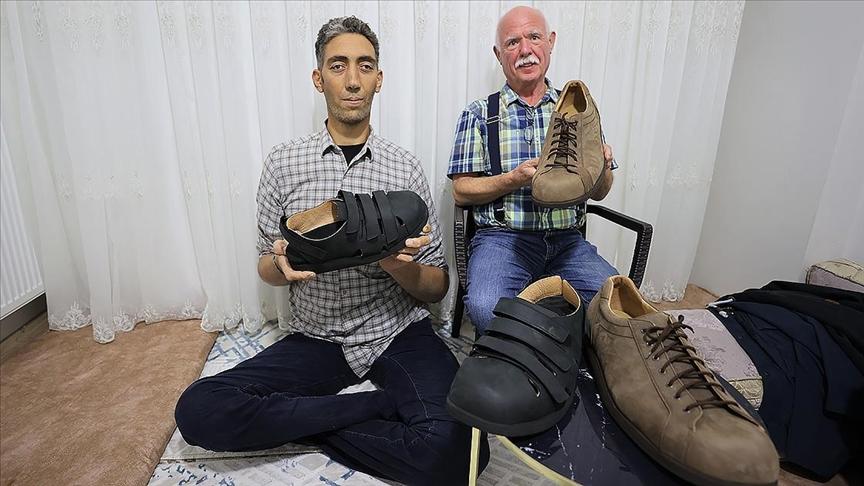
Sultan Kösen – (Anadolu Agency)
Sultan Kösen’s childhood was spent in Alibey village, where his family engaged in subsistence farming. In this rural environment, he worked alongside his siblings in the fields and took on responsibilities such as animal husbandry. From an early age, he began growing at an unusually rapid rate compared to his peers, drawing attention from those around him. However, due to the limited healthcare facilities in the village, the underlying cause of his excessive growth remained undiagnosed for many years.
The cause of this abnormal growth was a tumor in the pituitary gland【2】 that led to uncontrolled secretion of growth hormone. In medical literature, this condition is known as “acromegaly”【3】. Typically, this disease causes enlargement of organs and limbs after the growth plates have closed in adulthood. In Kösen’s case, however, the tumor manifested before the epiphyseal plates【4】 had closed, resulting in a condition known as “gigantism.” Limited access to early diagnosis and intervention allowed his height to continue increasing well into adolescence.
Sultan Kösen’s physical development was not limited to height alone; disproportionate enlargement of his hands and feet was also observed. Measurements conducted by Guinness World Records recorded his hand length at 27.5 centimeters, setting the record for the largest hands in the world. His shoe size was reported as 60, a size not produced by standard manufacturing systems globally.
To control his excessive growth and associated physiological effects, he underwent treatment using a non-invasive radiosurgical technique known as Gamma Knife【5】 abroad. This procedure targeted the tumor in his pituitary gland and successfully regulated the secretion of growth hormone. Following the intervention, his height growth ceased—a critical development in preventing potential complications in the heart muscle and internal organs.
Sultan Kösen’s height of 251 centimeters has significantly impacted his daily life. Standard housing structures, door heights, and ceiling clearances have all posed barriers to his comfortable movement. Basic necessities such as public transportation, beds, clothing, and footwear had to be custom-made to accommodate his size.
In addition, the excessive load on his skeletal and muscular systems negatively affected joint health, prompting Kösen to begin using a cane. His walking pace slowed, and prolonged standing or long-distance walking became increasingly difficult. These physical limitations have directly affected his quality of life.
Sultan Kösen’s fame reached international levels following official measurements conducted by Guinness World Records. Repeated independent measurements confirmed his height at 251 centimeters, and he also holds the record for the largest hands in the world. Guinness organized photographic and video documentation to publicly announce these records.
As part of these promotional activities, Kösen was invited to various countries and participated in fairs, press conferences, and media events. For instance, at an event organized by Guinness in California, he appeared alongside Jyoti Amge【6】 from India, the shortest woman in the world. This meeting became a notable example of Guinness’s strategy to raise awareness by bringing together extreme human examples.
Sultan Kösen’s life story is significant not only for his extraordinary physical characteristics but also for drawing attention to growth hormone-related disorders. His case has conveyed to the public the message that conditions such as acromegaly and gigantism can be prevented or mitigated through early diagnosis and treatment. He serves as a concrete example of the complications that can arise in rural areas due to limited access to healthcare.
Furthermore, his participation in Guinness events and cultural promotion activities across various countries has transformed Sultan Kösen from merely a record holder into a globally recognized cultural figure. His appearances in the media, documentaries, and public engagements have solidified his place in popular culture.
Following medical intervention, Sultan Kösen now leads a more balanced life as his growth hormone levels are under control. He continues to use a cane for mobility. He remains active in national and international promotional events, representing his Guinness record on various platforms. While maintaining the simple lifestyle habits of someone with a rural background, he persists as a cultural symbol shaped by his global recognition.
Accessed November 26, 2025.
Anadolu Ajansı. "Dünyanın En Uzun Adamı Sultan Kösen 60 Numara Yeni Ayakkabılarıyla Dünyayı Gezecek." Accessed July 12, 2025.
Anadolu Ajansı. "Dünyanın En Uzun Adamı Türkiye’yi Romanya ve ABD’de Temsil Edecek." Accessed July 12, 2025.
Anadolu Ajansı. "Dünyanın En Uzun ve En Kısa Boylu Adamları Londra’da." Accessed July 12, 2025.
Atlas University Hospital. "Akromegali." Atlas University Hospital. Accessed July 14, 2025. https://atlasuniversitesihastanesi.com/akromegali/.
[1]
Guinness Dünya Rekorları: İlk kez 1955 yılında yayımlanan Guinness Book of Records, dünya genelinde sıra dışı insan yetenekleri, fiziksel özellikler, doğal olaylar ve insan yapımı başarıları belgeleyen, yıllık olarak güncellenen bir referans kitabıdır. Günümüzde dijital platformlarda da faaliyet gösteren Guinness Dünya Rekorları, rekor başvurularını değerlendiren ve bağımsız ölçümlerle doğrulayan resmî bir kuruluştur.
[2]
Hipofiz bezi, beynin tabanında, sella turcica adı verilen kemik yapının içinde yer alan bezelye büyüklüğünde bir endokrin (iç salgı) bezidir. "Endokrin sistemin başkanı" olarak da anılan hipofiz bezi, büyüme hormonu (GH), tiroid uyarıcı hormon (TSH), adrenokortikotropik hormon (ACTH), luteinize edici hormon (LH), folikül uyarıcı hormon (FSH), prolaktin ve antidiüretik hormon (ADH) gibi pek çok hayati hormonun salgılanmasını sağlar. Vücudun büyüme, gelişme, metabolizma, üreme ve su dengesi gibi temel işlevlerini düzenlemede kritik bir rol oynar.
[3]
Akromegali, hipofiz bezinin aşırı miktarda büyüme hormonu (GH) üretmesi sonucu ortaya çıkan nadir ve ilerleyici bir hormonal hastalıktır. Genellikle erişkin yaşta, kemiklerin büyüme plakları (epifiz plakları) kapandıktan sonra gelişir. Bu nedenle, boy uzaması yerine el, ayak, yüz kemikleri ve iç organlarda büyüme ile karakterizedir.
[4]
Epifiz plak: Uzun kemiklerin uç kısımlarında bulunan kıkırdak doku tabakasıdır. Çocukluk ve ergenlik döneminde kemik büyümesini sağlar; büyüme tamamlandığında kemikleşerek kapanır.
[5]
Gamma Knife: Beyindeki tümörler ve bazı diğer hastalıkların tedavisinde kullanılan, yüksek dozda radyasyon ışınlarını çok hassas ve odaklı şekilde hedef bölgeye yönelten cerrahi olmayan bir radyocerrahi cihazıdır.
[6]
Jyoti Amge: Guinness Dünya Rekorları tarafından resmen tescil edilen “yaşayan en kısa kadın” unvanına sahiptir. 16 Aralık 1993’te Hindistan’ın Nagpur kentinde doğan Amge’nin boyu yalnızca 62,8 cm’dir. Bu durum, kalıtsal bir iskelet sistemi hastalığı olan akondroplazi (achondroplasia) nedeniyle oluşmuştur. Amge, uluslararası tanınırlık kazanmış ve “American Horror Story: Freak Show” adlı dizide de rol almıştır. Guinness etkinliklerinde dünyanın en uzun adamı Sultan Kösen ile bir araya gelerek küresel farkındalık çalışmaları içinde yer almıştır.

Sultan Kösen
Babası | Abdulkadir Kösen | ||||||||
|---|---|---|---|---|---|---|---|---|---|
Eş | Merve Dibo (e. 2013 - b. 2019) | ||||||||
Annesi | Cemile Kösen | ||||||||
Yaş | 42 | ||||||||
Doğum tarihi | 1982-12-10 | ||||||||
Siblings | Hasan Kosen, Cemal Kösen | ||||||||
Height(s) | 2.51 m | ||||||||
Shoe Size | 60 | ||||||||
Place of Birth | Türkiye - Mardin | ||||||||
Henüz Tartışma Girilmemiştir
"Sultan Kösen" maddesi için tartışma başlatın
His Youth and the Onset of Health Issues
Medical Diagnosis and Treatment Process
Daily Life and Challenges Faced
Guinness World Record and International Recognition
Social Impact and Cultural Representation
Current Status