


Bu içerik Türkçe olarak yazılmış olup yapay zeka ile otomatik olarak İngilizceye çevrilmiştir.
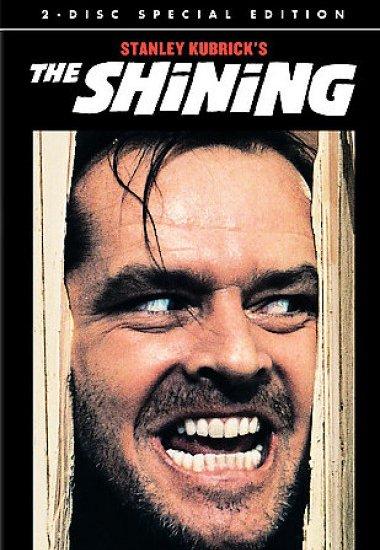
Stanley Kubrick’s Cinnet (The Shining) is one of the most iconic fear films in cinema history, blending themes of isolation, madness, and the supernatural. Film centers on Jack Torrance, a former teacher who seeks to become a writer and takes a job as the winter caretaker at the together Overlook Hotel with his family. Hotel loses all contact with the outside world when it is closed for the winter.
Jack begins living in the hotel with his wife Wendy and son Danny. However, the hotel’s dark darkness history and Danny’s psychic abilities (“the shining”) gradually erode Jack’s sanity, turning him into a dangerous threat to his family. The film presents a psychological unraveling in which reality and hallucination, madness and the supernatural, become indistinguishable.

Garrett Brown, the inventor/operator of the Steadicam, converses with Kubrick on set. On the right is the 1st AC and second unit director of photography Douglas Milsome –American Cinematographer
The Overlook Hotel becomes a physical symbol of isolation and solitude. Jack’s psychological collapse is shaped not only by supernatural forces but also by spatial confinement and communication breakdown. Kubrick visually parallels Jack’s detachment from reality with the hotel’s labyrinthine structure.
The film creates atmospheric dread rather than relying on the jump scares common in traditional horror films. Kubrick appeals to the viewer’s subconscious through silence, echo, long camera transitions, and tense musical cues. Danny’s “the shining” ability represents the supernatural elements, while Jack’s aggression embodies the dark side of the human mind.
The film carries subtexts about power dynamics within the family. Jack’s uncontrollable rage stems not only from supernatural influences but also from repressed violent tendencies. Wendy’s passive yet protective demeanor carries the emotional weight of the family’s conflict.
The Overlook Hotel transforms into a space where time is frozen and past and present overlap. “REDRUM” reinforces the themes of duality and inversion; the echoes of past events within the hotel’s walls present memory as a spatial manifestation.
While filming The Shining, Kubrick masterfully employed the newly developed Steadicam technology to create long, immersive camera movements that sustain tension. These “tracking” shots through the hotel corridors immerse the viewer in the characters’ psychological suffocation.
Jack Nicholson’s improvised performance (the “Here’s Johnny!” scene like) has become legendary in film history. Shelley Duvall’s emotional exhaustion lends authenticity to Wendy’s fragility. Production throughout, the director’s perfectionism imposed physical and psychological pressure on the actors, a tension that situation translated onto the screen.
Jack Nicholson portrays Jack Torrance as a man slowly descending into madness with immense charisma and chilling energy. His performance is regarded as one of the most terrifying portraits in cinema history. Shelley Duvall deeply conveys the emotions of fear and vulnerability in her role as Wendy. Danny Lloyd brings an uncanny psychic mystery to the character of Danny with acting far beyond his years. Scatman Crothers contributes to the film’s metaphysical dimension through his portrayal of Hallorann.
The Shining is not merely a horror film but also evidence of how cinema, through narrative, rhythm, sound, and space, can transform into a profound psychological experience. Kubrick explored the psychological depth of fear in cinema, endowing the genre with a new dimension. Today remains analyzed in film schools and continues to inspire countless directors, securing its unique place in cinema history.

Kubrick searches for his next shot –American Cinematographer
Upon its initial release, The Shining received mixed reviews but has since become one of the most celebrated “late-recognized masterpiece” films.
Best Horror Film – Nominated
Best Actor – Jack Nicholson (Nominated)
Best Director – Stanley Kubrick (Nominated)
BAFTA – Best Production Design (Nominated)
Interestingly, the film was nominated in its first year for Worst Director and Worst Actress. However, these decisions have since been sharply criticized by film historians, who now widely recognize the film’s culture value.
The Shining has been included in the American Film Institute’s (AFI) list of “All-Time 100 Tension Films.”
In 2018, it was added to the United States National Film Registry for its cultural and historical significance.
All The Right Movies. “30 Interesting Facts About The Shining.” Accessed April 2, 2025. Link.
American Society of Cinematographers. “Flashback: The Shining.” Accessed April 2, 2025.
Beyazperde. “Cinnet (1980).” Accessed April 2, 2025.
IMDb. “The Shining (1980).” Accessed April 2, 2025.
Roger Ebert. “The Shining: An Odyssey of Madness.” Link. Accessed April 2, 2025.
Sinemalar.com. “Cinnet.” Accessed April 2, 2025. Link.

Henüz Tartışma Girilmemiştir
"The Shining (Cinnet, Film)" maddesi için tartışma başlatın
Themes and Analysis
1. Madness and Isolation
2. Psychological Horror and Supernatural Tension
3. Domestic Violence and Masculinity
4. Space and Memory
Production Process and Technical Features
Performances
Impact and Significance
Awards and Nominations
Nominations and Highlights
Saturn Awards
Razzie Awards (1981)
Honorary Recognition