


Bu içerik Türkçe olarak yazılmış olup yapay zeka ile otomatik olarak İngilizceye çevrilmiştir.
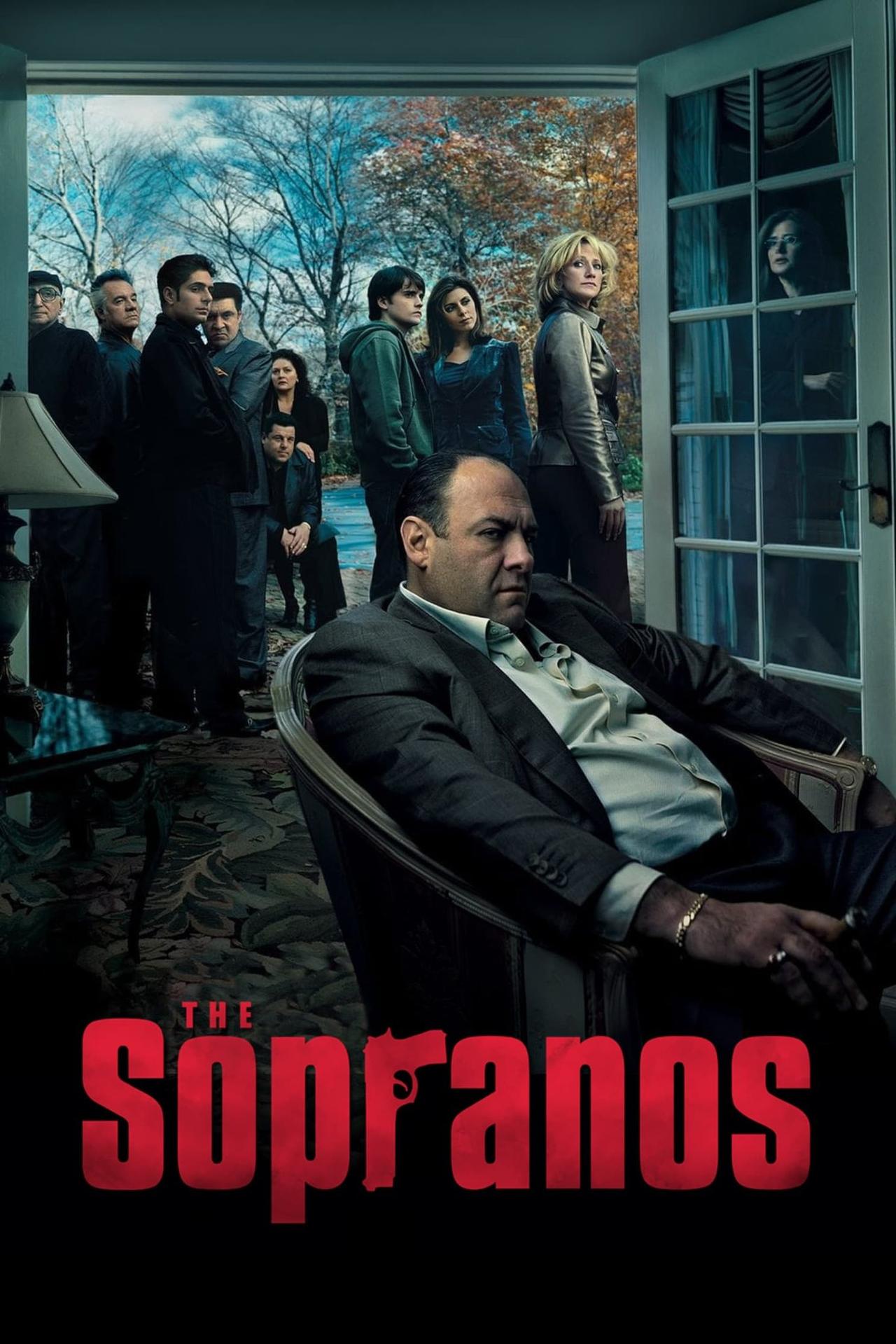
Launched in 1999 on HBO, The Sopranos is regarded as one of the greatest productions in television history. Created by David Chase, the series does not merely tell a mafia story but also explores profound themes such as family, identity, psychology and the collapse of the American dream. Over its six-year run, it garnered widespread acclaim, particularly in the United States but also in many other countries. This portrayal of a deeply flawed protagonist brought a fresh breath to television drama and, according to many critics, paved the way for subsequent series in the industry. The series was also adapted in our country under the title "Altındağlı"; however, after failing to achieve the desired ratings, it ended its broadcast after the second episode.

A scene from The Sopranos featuring Tony Soprano and his crew – IMDB
At the center of the series is Tony Soprano (James Gandolfini), the patriarch of a mafia family in New Jersey. While managing his criminal empire, Tony struggles to maintain balance in his family life. However, due to recurring anxiety and panic attacks, he is compelled to seek therapy with Dr. Jennifer Melfi (Lorraine Bracco). These therapy sessions become one of the show’s most important dynamics, offering a deep exploration of Tony’s dual existence as both a man and a gangster.
Key figures who strengthen the series’ dramatic structure include Tony’s wife Carmela (Edie Falco), their children Meadow (Jamie-Lynn Sigler) and A.J. (Robert Iler), his uncle Junior Soprano (Dominic Chianese), and members of his crew Silvio Dante (Steven Van Zandt), Christopher Moltisanti (Michael Imperioli), and Paulie Gualtieri (Tony Sirico). Each character brings their own unique struggles and conflicts, enriching the show’s layered narrative.

Tony Soprano and Dr. Jennifer Melfi from The Sopranos – IMDB
The Sopranos distinguishes itself from traditional mafia narratives through its psychological depth and psychoanalytic insights. Tony’s dream sequences lay bare his mental struggles and force viewers to empathize with a crime boss. Additionally, elements such as familial conflict, betrayal, and generational differences amplify the series’ dramatic power. With its slow-burning narrative structure, the show invites viewers to form deep empathy with its characters and immerse themselves in their inner worlds, embedding numerous moral lessons within its story.
The series has left a significant legacy not only through its cinematography and screenplay but also through its cultural influence. Shows such as Breaking Bad, Mad Men and The Wire drew inspiration from The Sopranos and followed the path it opened. Furthermore, its final episode contains one of the most debated scenes in television history, and still on theories continue to be generated.
The Sopranos has won numerous awards, establishing itself as one of the most prestigious productions in television history:
The Sopranos is not merely a television series; it is also regarded as one of the landmark achievements in narrative storytelling. While depicting the mafia world, it profoundly examines the inner collapse and moral dilemmas of a single man, and continues to resonate with audiences today.
REFERENCES
HBO Resmi Website. "The Sopranos Hakkında." Accessed February 21, 2025. https://www.hbo.com/the-sopranos
Chase, David. The Sopranos: The Complete Book. Time Warner, 2007.
Sepinwall, Alan. The Revolution Was Televised. Simon & Schuster, 2012.
IMDb. "The Sopranos (1999–2007)." Accessed February 21, 2025. https://www.imdb.com/title/tt0141842/
Figure 3-IMDB. https://www.imdb.com/title/tt0141842/mediaviewer/rm4054074881/?ref_=tt_ov_i
Figure 1- IMDB. https://www.imdb.com/title/tt0141842/mediaviewer/rm524650752/?ref_=ttmi_mi_3
Figure 2- IMDB. https://www.imdb.com/title/tt0141842/mediaviewer/rm577265920/?ref_=ttmi_mi_34

Henüz Tartışma Girilmemiştir
"The Sopranos (TV Series)" maddesi için tartışma başlatın
Plot and Characters
Themes and Impact
Awards