


Bu içerik Türkçe olarak yazılmış olup yapay zeka ile otomatik olarak İngilizceye çevrilmiştir.
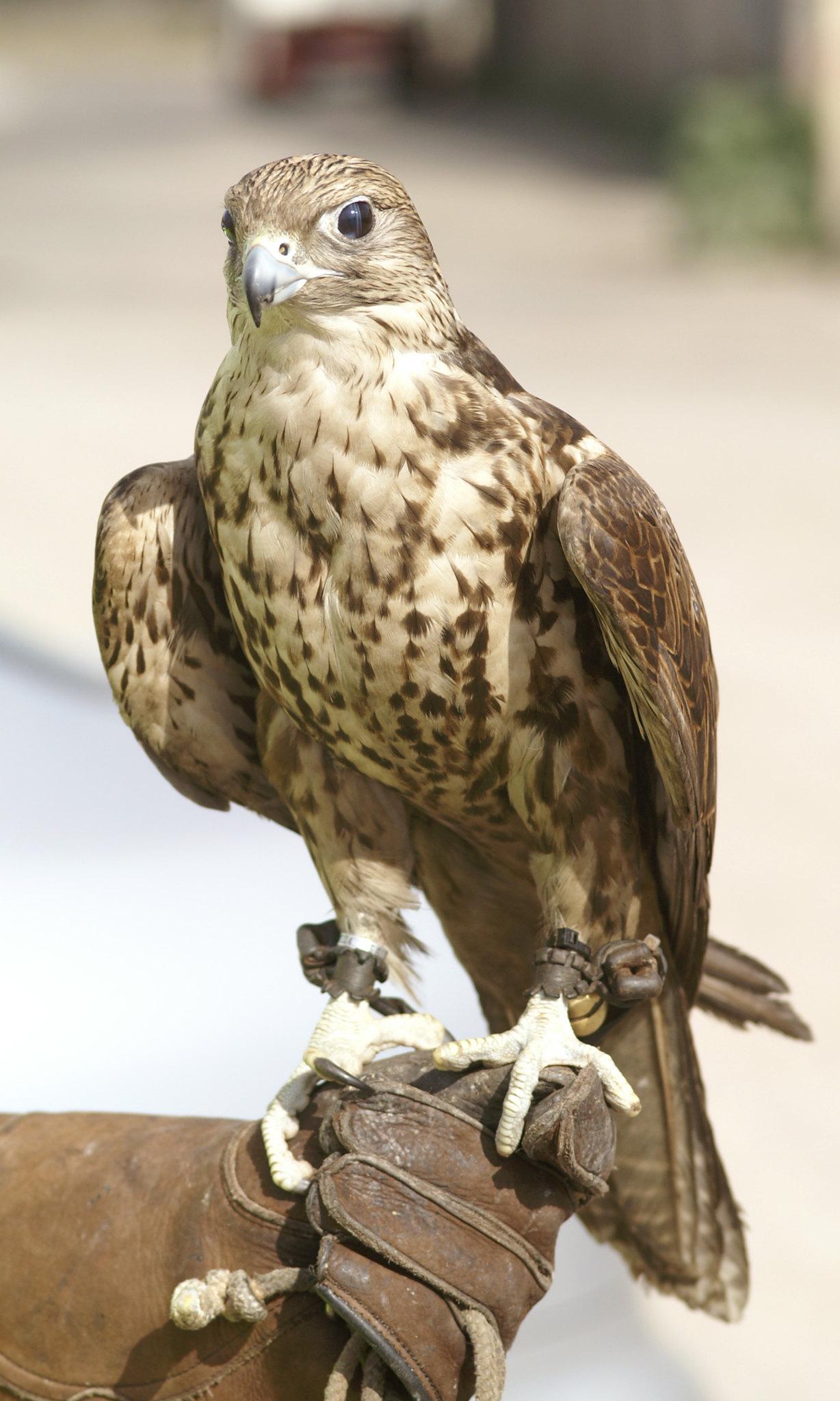
Ulu Doğan (Falco cherrug) is a large raptor species belonging to the Falconidae (falcons) family. Commonly known as the “saker falcon,” this species is widely distributed across the steppes and semi-desert regions of Eurasia. Due to its powerful build, high speed, and exceptional hunting abilities, it has been used for centuries in traditional falconry across the Middle East.
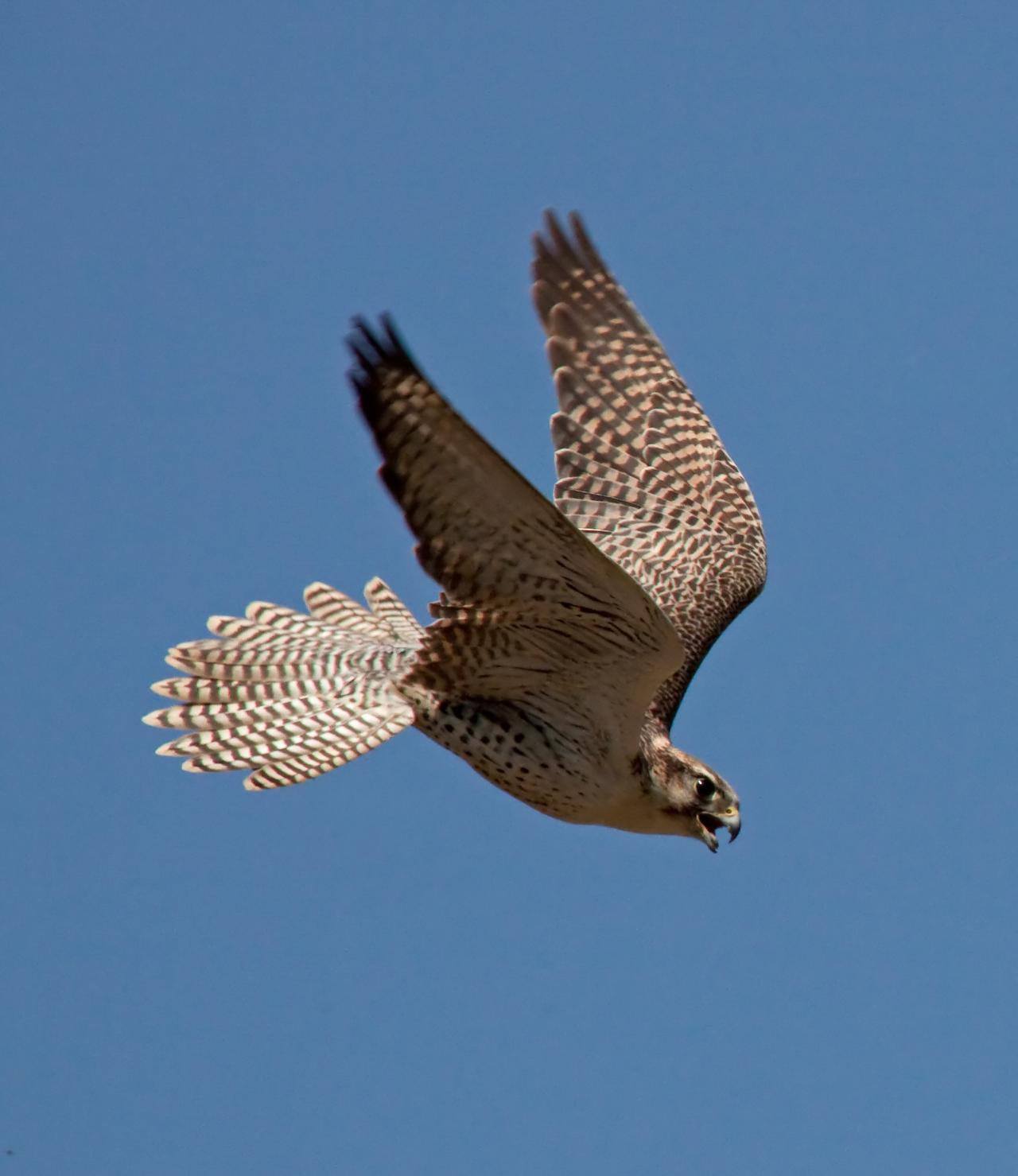
Flying Ulu Doğan (Flickr)
This species exhibits considerable variation in physical appearance, typically covered in feathers of light brown, beige, or cream tones. The chest and abdomen are marked with dark spots or streaks. A distinctive “mask” formed by dark facial feathers is prominent. During flight, the underwing feathers are pale while the wingtips are dark, facilitating identification in the air. A clear size difference exists between the sexes: females are 20–30 percent larger than males. Female weight ranges from 970 to 1300 grams, while males weigh between 730 and 990 grams. Wingspan measures 120–130 cm in females and 100–110 cm in males. The beak is large and hooked, strong enough to break the spine of prey. The talons are curved and robust, enabling exceptional skill in capturing and holding small mammals.
Ulu Doğan breeds across the steppes, semi-deserts, and mountainous regions stretching from Eastern Europe to China. Migratory individuals may reach as far as the Middle East, North Africa, South Asia, and East Africa during winter. Türkiye, Kazakhstan, Mongolia, China, and Russia are among the most important breeding countries. In recent years, an increase in breeding pairs has been observed in Europe, for example in Germany and Austria.
It naturally inhabits open steppes, semi-desert plateaus, mountain foothills, and agricultural areas. It typically nests in abandoned nests of other birds such as eagles or crows; rare instances of nesting on rocky ledges or on the ground have been recorded. Nesting sites are usually located on ledges 8–50 meters above ground, and occasionally at the edges of wooded areas. It avoids dense forested regions.
The Ulu Doğan is an extremely patient and aggressive hunter, capable of observing its prey for long periods before launching a sudden dive to capture it. In the Arab world, it has traditionally been used to track large game and wear it down until it can be caught. It is a monogamous and solitary species, preferring to build its nest at a distance from other pairs—typically 4 to 6 kilometers apart.
In areas with abundant prey, the distance between nests may decrease. Communication involves both vocalizations and body language. Females signal to their young with a “chip” call, while chicks respond with high-pitched calls when hungry or distressed. Males attempt to attract females during the breeding season by calling loudly and performing aerial acrobatics. In response to threats, it adopts a posture known as the “upright threat”: it erects its body, fluffs its feathers, and slightly opens its wings.
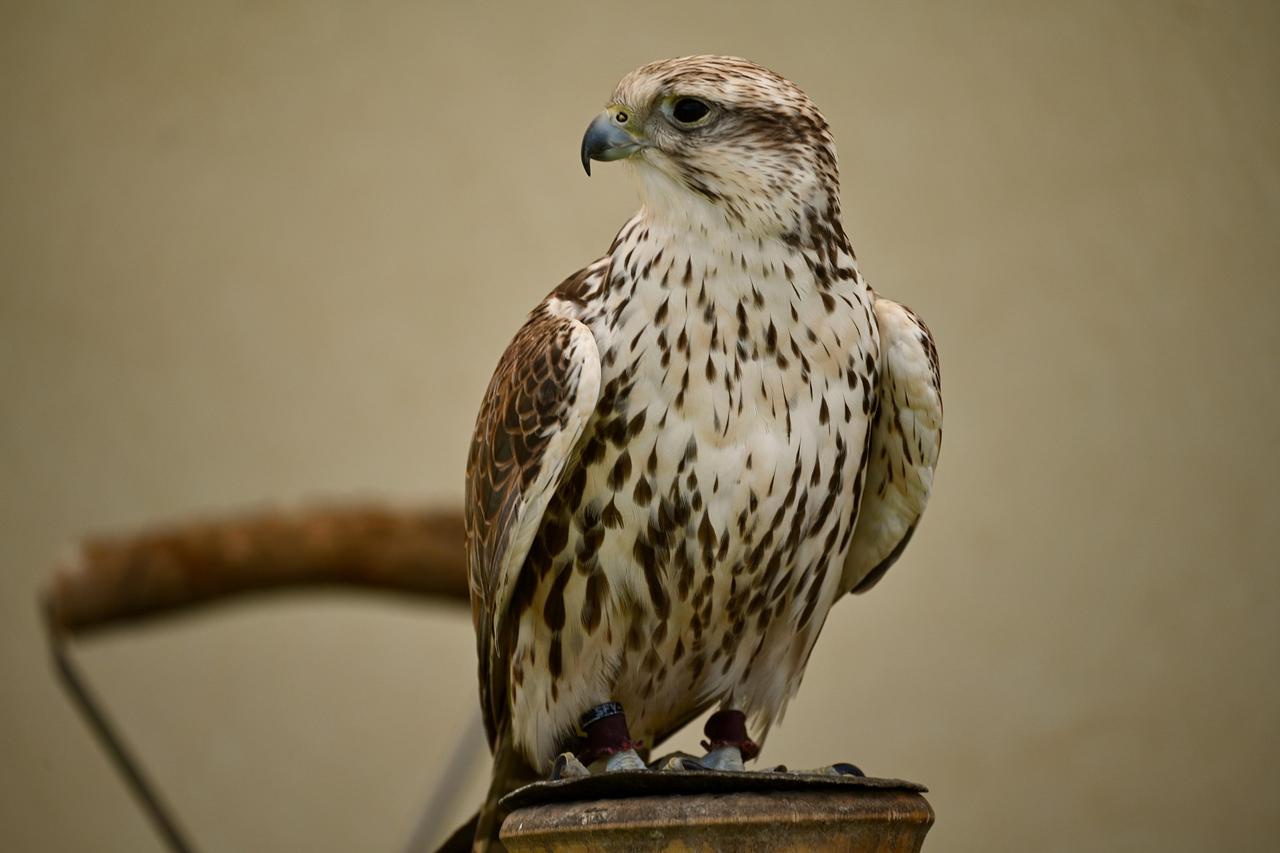
Ulu Doğan (Pixabay)
Sexual maturity is reached at two to three years of age in females and three to four years in males. During the breeding season, males initiate courtship by offering food to females and performing aerial displays. Females lay three to five eggs annually, usually four. Incubation lasts 32 to 36 days, primarily carried out by the female. Chicks develop flight capability within 45–50 days, but may remain dependent on their parents for up to 65–85 days. Competition among chicks intensifies during food shortages, though sibling cannibalism has not been observed. However, in some cases, deceased siblings have been consumed by their surviving siblings.
The diet consists largely of small mammals, with 60–90 percent composed of rodents such as ground squirrels, hamsters, dwarf rabbits, and jerboas. During migration or near forest edges, it may feed on other bird species including quail, partridge, wild duck, and even kestrels and owls. Large lizards are also occasionally consumed. As a predator, the Ulu Doğan plays a vital role in maintaining ecological balance.
The relationship between the Ulu Doğan and humans is complex. On one hand, it has been used for centuries in Middle Eastern cultures as a symbol of nobility and tradition in falconry and is increasingly valued in ecotourism. On the other hand, some hunters perceive it as a threat due to its predation on game birds. Nevertheless, its hunting of small mammals provides indirect benefits by helping control pest populations in agricultural areas.
The Ulu Doğan is classified as “Endangered” by the International Union for Conservation of Nature (IUCN). The global population, estimated at around 22,000 pairs in the 1990s, has declined to between 6,100 and 14,900 pairs as of 2013. This downward trend has placed the species in a critically vulnerable position internationally. Major threats include illegal hunting, particularly illegal trapping in Mongolia and China; mortality from collisions with high-voltage power lines; habitat loss; and pesticide use. Additionally, genetic purity is compromised through hybridization driven by falconry practices, and the selective removal of females for falconry has disrupted sex ratios. Consequently, international cooperation, monitoring programs, and habitat conservation strategies are of critical importance for the species’ survival.

Henüz Tartışma Girilmemiştir
"Ulu Doğan (Falco cherrug)" maddesi için tartışma başlatın
Morphological Characteristics
Distribution and Habitat
Behavior and Lifestyle
Reproduction
Diet
Relationship with Humans
Conservation Status