Bu içerik Türkçe olarak yazılmış olup yapay zeka ile otomatik olarak İngilizceye çevrilmiştir.
+1 Daha
Uşak tarhanası is a traditional tarhana variety made by mixing basic ingredients such as wheat flour, full-fat yogurt, red pepper, onion, tomato, and mint, followed by prolonged fermentation and drying in the shade, resulting in a granular texture. While tarhana exists in various forms across many regions of Türkiye, Uşak tarhanası stands out due to its unique production process and ingredient composition. The product, which received geographical indication registration in 2017, can only be produced within the boundaries of Uşak province.
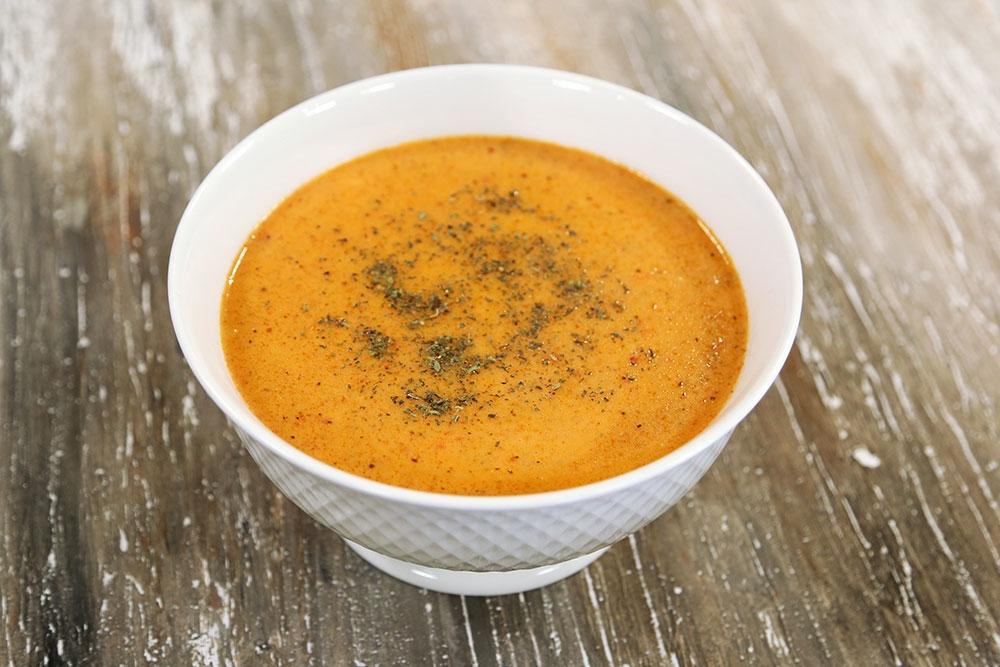
Uşak Tarhanası (Turkish Patent and Trademark Office)
The most fundamental feature distinguishing Uşak tarhanası from other regional tarhanas is the length of its fermentation process and the diversity of microorganisms that develop under natural climatic conditions. The low temperatures during Uşak’s summer months (average 22 °C) and relative humidity levels around 60% extend the fermentation period, contributing to the development of the product’s distinctive flavor profile. Production typically takes place between the end of August and the end of September.
The fermentation period lasts at least 21 days, during which the dough undergoes natural fermentation at ambient temperature. Locally, the dough is considered fully fermented when it “rises and settles twice.” During this period, lactic acid bacteria such as Lactobacillus plantarum, Lactobacillus brevis, and Lactobacillus alimentarius, along with yeasts like Saccharomyces cerevisiae and Pichia kudriavzevii, proliferate and produce organic acids and flavor-aroma compounds responsible for fermentation.
In Uşak tarhanası, the vegetable content reaches a high level of approximately 42%, significantly higher than in other tarhana varieties in Türkiye, supporting the growth of microorganisms involved in fermentation. The use of vegetables without cooking in the production process helps preserve these microorganisms. Particularly, the Sivaslı Pepper (three-nose pepper), grown in the Sivaslı district, imparts a characteristic mild spiciness and low moisture content that defines the unique taste of Uşak tarhanası.
The standard composition of a tarhana dough is as follows:
During preparation, vegetables are chopped and mixed with yogurt to form a “tarhana mash.” After being left to rest for one day, sour dough and wheat flour are added and the mixture is kneaded into dough. The dough is then fermented at room temperature for 21 days, after which it is divided into small pieces and dried in the shade. During drying, the pieces are further reduced in size. In the final stage, the product is sieved to achieve a granular form.
Uşak tarhanası must be produced in accordance with TS 2282 standard. The entire production process must be carried out using traditional methods under hygienic conditions. Acidity and moisture levels of the tarhana are monitored according to these standards.
Inspections are conducted at least twice a year by a three-member Inspection Commission composed of representatives from the Uşak Provincial Directorate of Food, Agriculture and Livestock, Uşak Municipality, and the Department of Food Engineering at Pamukkale University. Producers must be registered in the system and must allow inspection at all stages of production.
Ministry of Culture and Tourism. "Uşak Tarhanası." Türkiye Kültür Portalı. Accessed July 16, 2025. https://www.kulturportali.gov.tr/portal/usak-tarhanasi
Turk Patent and Trademark Office. "Uşak Tarhanası." Turk Patent and Trademark Office. Accessed July 16, 2025. https://ci.turkpatent.gov.tr/Files/GeographicalSigns/9f097be8-9c8d-4e2f-9afb-f4bdbf342ebf.pdf
Türk Patent ve Marka Kurumu. “Uşak Tarhanası.” Türk Patent ve Marka Kurumu. Accessed July 16, 2025. https://ci.turkpatent.gov.tr/cografi-isaretler/detay/38156

Henüz Tartışma Girilmemiştir
"Uşak Tarhanası" maddesi için tartışma başlatın
Distinctive Characteristics
Composition and Production Method
Production Standards and Inspection