


Bu içerik Türkçe olarak yazılmış olup yapay zeka ile otomatik olarak İngilizceye çevrilmiştir.
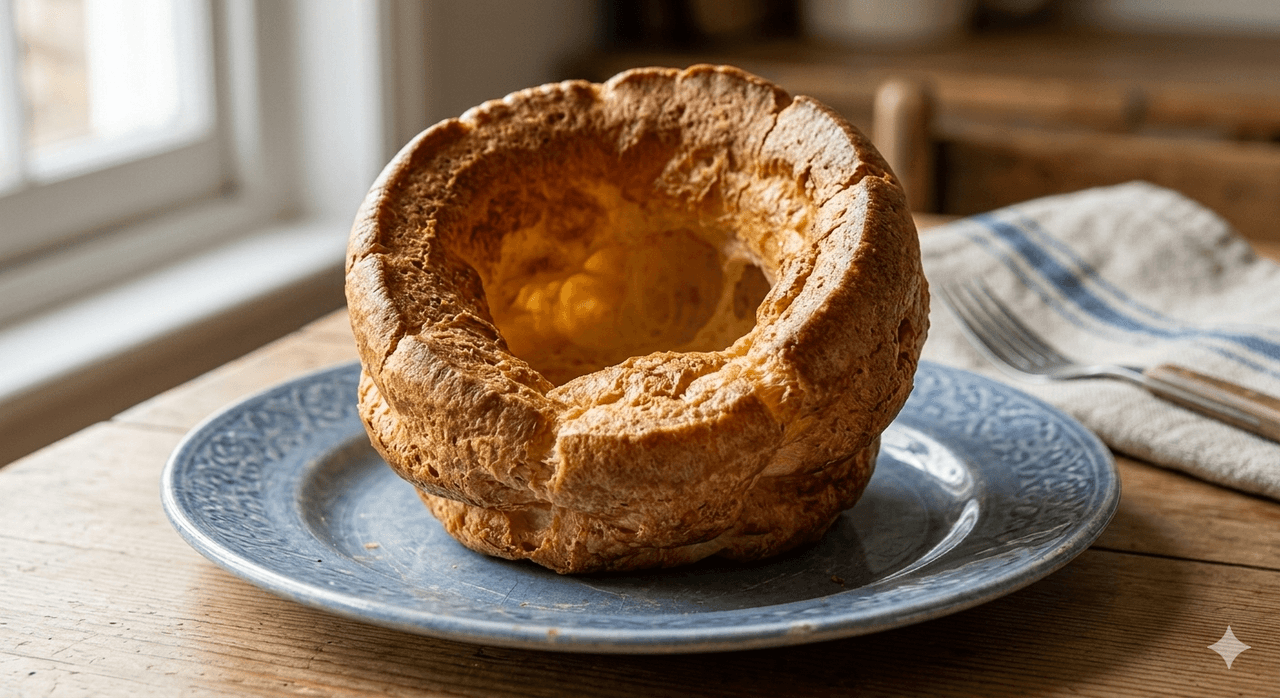
Yorkshire Pudingi (Yapay zeka ile üretilmiştir)
Yorkshire pudding is a traditional British side dish made by baking a liquid batter of flour, milk, and eggs at high heat in an oven. This dish is a characteristic component of Sunday roast meals, developing a crisp exterior, soft interior, and hollow center when baked. Originating in northern England, it was historically developed to balance the cost of meat dishes and enhance their nutritional value. While in modern gastronomy it is often portioned into small individual containers, the traditional method involves baking it in large, shallow trays and serving it in pieces.

Yorkshire Pudding (Generated by AI)
The origins of Yorkshire pudding date back to early 18th century English culinary culture. The earliest known written recipe for this dish appears in the 1737 cookbook The Whole Duty of a Woman, under the name "Dripping Pudding." This name derives from its cooking method: the batter is poured into a tray placed beneath roasting meat, allowing the hot drippings from the meat to fall onto the batter and cook it. This technique prevented the valuable animal fat from being wasted while infusing the pudding with a rich meaty aroma.
The dish entered the culinary literature as "Yorkshire Pudding" through Hannah Glasse's 1747 work The Art of Cookery Made Plain and Easy. Glasse emphasized the pudding’s distinctive crisp texture associated with the Yorkshire region, thereby cementing the name. It is believed that the high-temperature ovens made possible by the region’s coal mines contributed to the pudding’s greater rise and characteristic texture.
The standard recipe for Yorkshire pudding consists of three key ingredients in specific proportions:
Preparation begins by placing the flour in a bowl and gradually whisking in the eggs. The milk (or milk-water mixture) is then slowly added to form a smooth, lump-free batter. It is a technical requirement to let the batter rest at room temperature before baking, allowing the starch molecules to fully hydrate.
For baking, the oven is preheated to 230°C (450°F). About a teaspoon of fat is placed in each baking dish, and the dishes are heated in the oven until the fat begins to smoke. Once the fat reaches the desired temperature, the rested batter is quickly poured into the hot pans and the oven door is immediately closed. The puddings are baked for approximately 20 to 25 minutes until they turn golden brown and achieve their characteristic shape.
The success of a Yorkshire pudding is measured by its height and structural integrity. In 2008, the Royal Society of Chemistry established a scientific standard declaring that a successful Yorkshire pudding must rise to at least four inches (approximately 10 cm). To achieve the ideal result, the following points must be observed:
In traditional English cuisine, Yorkshire pudding was served as a separate course before the main meal. This practice had an economic rationale: serving a filling pudding made from inexpensive ingredients such as flour and milk reduced guests’ appetites, thereby limiting consumption of the more expensive meat.
Today, this tradition has evolved, and the pudding is commonly served alongside roasted beef, boiled vegetables, and rich gravy on the same plate. It is also a common household practice to serve leftover pudding as a dessert by drizzling it with jam or syrup.

Yorkshire Pudingi (Yapay zeka ile üretilmiştir)
Henüz Tartışma Girilmemiştir
"Yorkshire pudding" maddesi için tartışma başlatın
History
Ingredients
Preparation
Key Tips
Serving Style