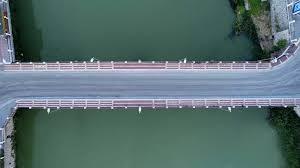




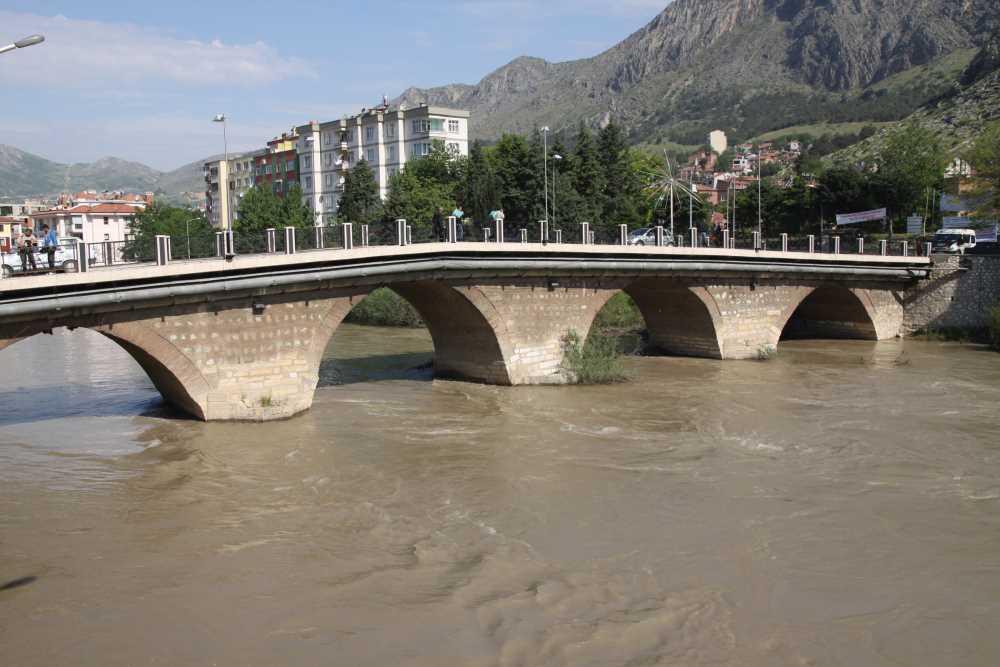
Amasya Station Bridge
The Station Bridge is an ancient structure spanning the rapidly flowing Yeşilırmak River in the city of Amasya. Bridges serve as vital links connecting the communities and neighborhoods on either side of the river. You can think of them like bridges in a game that unite different teams. For hundreds of years, this bridge has facilitated life in Amasya by enabling people to cross the river safely.
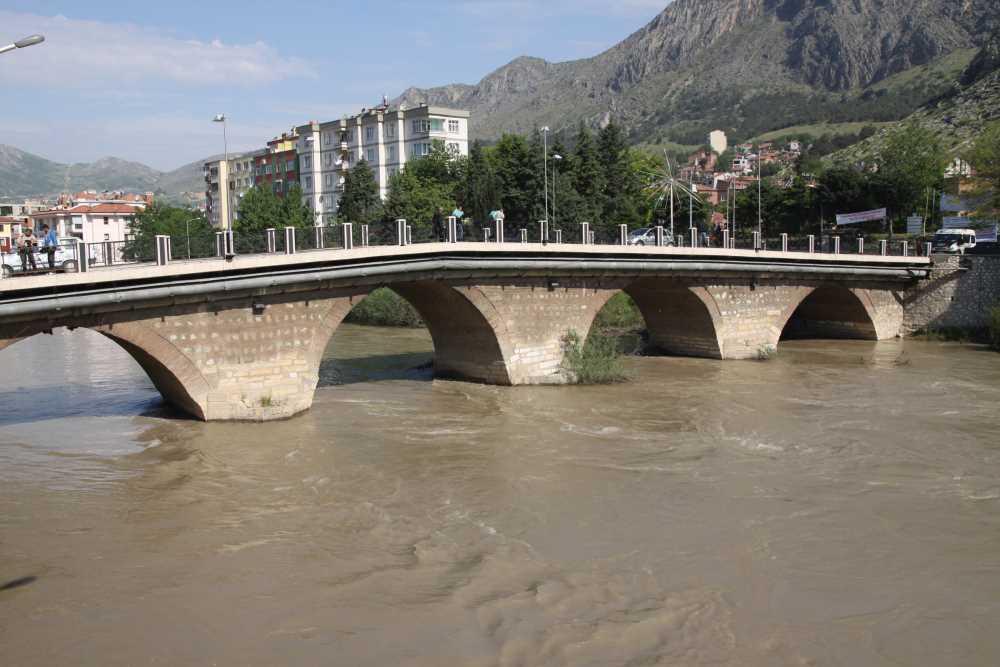
Amasya İstasyon Köprüsü (Culture Portal)
When Was the Bridge First Built?
The original construction of the Station Bridge dates back approximately 900 years to around the year 1145, when it was commissioned by Sultan I. Mesud of the Seljuk State using precisely cut stone blocks. Over time, natural disasters—particularly major earthquakes—destroyed this initial structure.
After the first bridge collapsed, in the 1370s Şadgeldi Paşa, the ruler of Amasya, had the bridge reconstructed in the same style, again using cut stone blocks. Throughout history the bridge underwent numerous repairs, the most recent of which was carried out in 1828 by Özlü Yusuf Ağa. The fact that this bridge has remained standing for so long demonstrates the exceptional durability of the architectural techniques of that era.

Amasya İstasyon Köprüsü (Culture Portal)
Is It Also Called Meydan Köprüsü?
This bridge is sometimes referred to as Meydan Köprüsü because of its proximity to Meydan Kapısı, one of the main gates leading to Amasya Castle. You can think of it like calling a sports hall near a school gate “the Gate Hall.” The bridge’s current name, Station Bridge, derives from the nearby train station. Thus, both names reflect its location during different historical periods.
What Is Its Structure? 🏗️
The Station Bridge is constructed entirely of precisely hewn cut stone blocks, which make it exceptionally strong and durable. The bridge features wide arches designed to span the river. These arches bear the weight of the structure and allow water to flow freely beneath. The stonework used in its construction reflects the architectural characteristics of the Seljuk and Ottoman periods. The bridge connects the end of Ziya Paşa Boulevard with the Üçler Mahallesi and İstasyon districts.