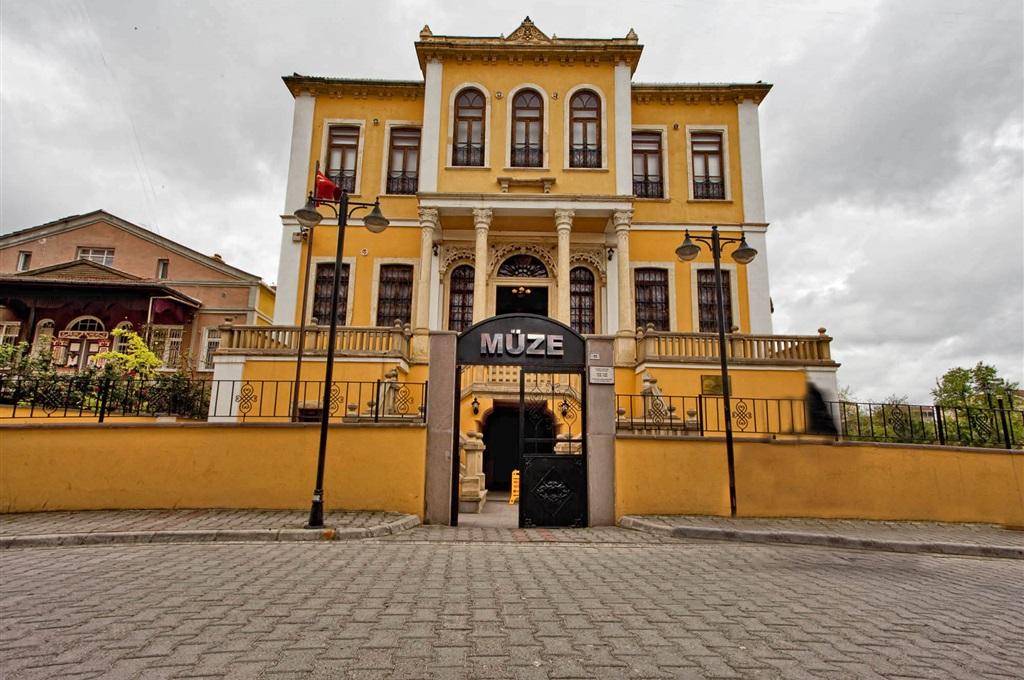




Bafra Archaeology and Ethnography Museum
Museums are institutions that carry the cultural remnants and ways of life of past communities into the present. The Bafra Archaeology and Ethnography Museum is located in the Bafra district of Samsun in the Black Sea Region and presents the historical richness of the area to visitors. The museum displays artifacts from the fields of archaeology (the science of very ancient remains) and ethnography (the science of traditional life and culture).
How Did the Building Come Into Existence?
The museum is housed in a three-story historical residence built in 1858, which serves as an example of civil architecture from its time. The structure reflects the local domestic architecture of its era. After being used for various purposes over many years, the building began operating as a museum in 2011 following restoration works.
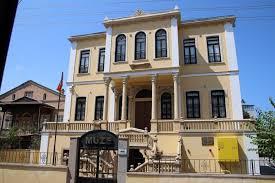
Bafra Archaeology and Ethnography Museum (Culture Portal)
What Artifacts Are Displayed in the Museum?
The museum exhibits a total of 1,520 archaeological and ethnographic artifacts spanning a historical period from the Early Bronze Age to the 20th century. The basement floor is designated as the administrative area, the first floor as the ethnography exhibition hall, and the second floor as the archaeological artifacts exhibition hall.
Where Do the Archaeological Artifacts Come From?
A large portion of the archaeological artifacts was obtained from excavations at the İkiztepe Höyüğü site near Bafra. A höyük refers to artificial mounds formed by successive layers of human settlement built over time. At İkiztepe, findings dating from the Late Chalcolithic Period to the end of the Eastern Roman Period have been uncovered.
Important archaeological finds on display include fired clay vessels, goddess figurines (small statuettes), bronze axes, spearheads, and jewelry.
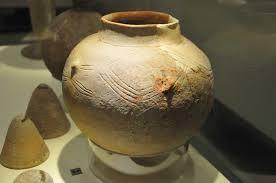
Bafra Archaeology and Ethnography Museum (Culture Portal)
Daily Life in Bafra’s Past
Ethnographic artifacts are displayed on the ground floor of the museum. This section recreates the daily life culture of Bafra in recent history. Rooms such as the kitchen, living area, and bedroom, arranged to reflect a traditional Bafra home, provide insight into the lifestyle of the local population. Additionally, clothing and handicraft items from Ottoman-era Turkish culture are exhibited in this section. Among the ethnographic artifacts are pitchers and jugs made using local techniques of embossing and casting that reflect regional characteristics.