


This article was automatically translated from the original Turkish version.
+1 More
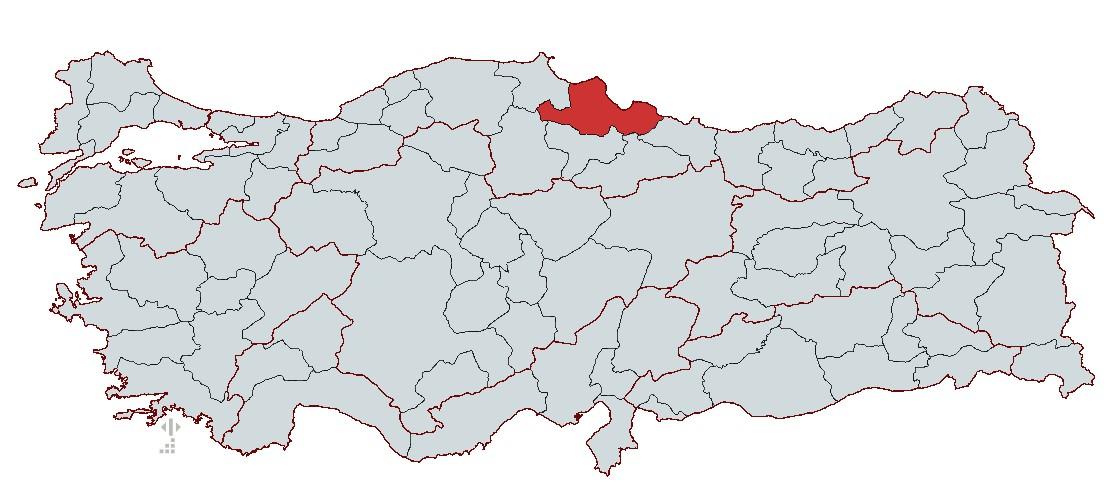
Samsun
Country | Türkiye | ||||||||
|---|---|---|---|---|---|---|---|---|---|
Region(s) | Black Sea Region | ||||||||
Population | 1,335,716 | ||||||||
Area(s) | 9 725 km² | ||||||||
Climate(s) | Black Sea Duo | ||||||||
Important Structure(s) | Eynel Bridge Havza Atatürk House and Museum Bandırma Ship and National Struggle Open Air Museum Köprülü Mehmet Pasha Mosque Bekdemir Nailless Mosque Amisos Ancient City | ||||||||
Area Code(s) | 362 | ||||||||
License Plate | 55 | ||||||||
Governor(s) | Orhan Tavlı | ||||||||
Mayor(s) | Halit Doğan | ||||||||
Samsun, located on Türkiye’s Black Sea coast, is a cultural and economic hub linked to important. Founded as a colony in the 6th century BCE under the name city, it became a major port city during the Roman and Byzantine periods. Its historical identity was solidified when, on 19 May 1919, Mustafa Kemal Atatürk launched the War of Independence from place. Today Samsun lies at the intersection of agriculture, trade and tourism; the Kızılırmak Delta, Şahinkaya Canyon and Amisos Hill attract attention with their natural and historical sites. Regional delicacies such as Bafra and Çarşamba pide and Çakallı menemen contribute to its gastronomic richness. With its strong infrastructure, transportation network and academic institutions, it stands out as one of the most developed cities in the Black Sea region.
The history of Samsun begins with its status as one of the oldest settlement areas on the Black Sea coast. Founded in the early 6th century BCE by the Milesians as a colony named Amisos, the city came under the rule of various civilizations including the Cappadocians, Phocaeans and Athenians. Particularly during the Athenian period, the city expanded rapidly and became an important trade center. Its first inhabitants were merchants and seafarers engaged in commerce. Known as a port city, Amisos was situated along a vital trade route leading inland. During the Hellenistic period, Period came under the control of the Kingdom of Pontus and developed into a significant cultural and economic center.
Amisos came under Roman rule in 64 BCE and was rebuilt and strengthened by the Romans. During the Roman era, the city became one of the largest trade centers on the Black Sea, where people engaged in agriculture, seafaring and commerce. In the 4th century CE, after the division of the Roman Empire, Samsun remained within Byzantine territory. During this period, the city continued to function as a strategically important port for military and commercial purposes. Christianity began to spread during this era, and Samsun became a religiously significant center for Byzantium. Byzantine dominance in the region began to weaken due to invasions and the entry of Turks into Anatolia.
After the Battle of Manzikert in 1071, Turks rapidly settled in Anatolia and the inland portion of Samsun came under Seljuk control. However, their definitive dominance over the region was established in the 12th century. During this period, the city frequently changed hands between the Trabzon Greek Empire, the Danişmendids and Seljuks. In the 13th century, Samsun came under the control of the Anatolian Seljuk State and continued to develop commercially, becoming one of the key port cities. Under the Seljuks, Samsun was regarded as a center ensuring the security of trade routes, and caravanserais, hans and madrasas were constructed there.
As the Ottomans began consolidating their authority in Anatolia during the 14th century, Samsun’s strategic location attracted the attention of Ottoman sultans. In 1420, under the rule of Sultan Murad II, Samsun was incorporated into Ottoman territory.
During the Ottoman period, Samsun rose to prominence through agriculture, trade and seafaring activities. The Ottomans constructed port facilities and trade routes to transform the city into a commercial hub. Additionally, tobacco production experienced significant growth during this period, and Samsun became an important center in the Ottoman Empire’s tobacco trade.
19 May 1919 became one of the most pivotal dönüm points in the history of Samsun and Türkiye. Mustafa Kemal Atatürk ignited the spark of the War of Independence by landing in Samsun. Samsun was a city not occupied by foreign forces but subjected to pressure by the Allied Powers after the Armistice of Mudros. Atatürk’s arrival in Samsun transformed the city into the site of the first step of the War of Independence and the starting point of the national resistance movement. Basin Circular and Amasya Circular were among the key decisions issued from this city.
After the proclamation of the Republic of Türkiye, Samsun rapidly developed into an industrial, commercial and agricultural center. In the early years of the Republic, agriculture and seafaring were prioritized; in subsequent decades, major advances were made in industry and tourism. Today, Samsun stands out as one of the largest and most developed cities in Black Sea Region. With its Modern port, industrial facilities, universities and tourist destinations, it continues to hold major historical and economic significance.
Samsun is located in the Black Sea Region of Türkiye, within the boundaries of the Central Black Sea Section. The city lies between 41°17′ north latitude and 36°20′ east longitude and borders Army to the east, Sinop to the west, Amasya and Tokat to the south. It has a 150-kilometer coastline along the Black Sea. Samsun is one of Türkiye’s most important port cities and holds a strategic position along the coast for sea trade.
Samsun’s geographical structure includes diverse topographic units rising from the coast toward inland areas. Coastal plains, mountainous and rugged terrain, and plateaus form the main landforms of the province.
Samsun was formed by the tectonic movements of the Black Sea and has a geological structure covered by alluvial soils, limestone formations and volcanic rocks. Landslides and erosion events are frequently observed along the coast.
Samsun is located at the point where two of Türkiye’s major rivers, the Kızılırmak and Yeşilırmak, empty into the sea.
Samsun lies under the influence of the Black Sea climate, characterized by mild and rainy weather throughout the year.
Samsun’s plant cover reflects the characteristics of the Black Sea flora. Coastal areas are dominated by broadleaf forests (oak, chestnut, beech, linden), while higher elevations feature coniferous forests (fir, fir, pine). Agricultural activities are intensive in the coastal plains, while steppe vegetation prevails in inland areas.
Although Samsun is not directly on the Black Sea fault line, it faces significant risks of landslides and salt.
With these geographical characteristics, Samsun stands out as one of Türkiye’s important cities due to its agricultural production, natural beauty, water resources and climatic advantages.
Samsun is one of Türkiye’s most productive agricultural regions, with extensive farmland. The fertile soils under the influence of the Black Sea climate are suitable for the production of wheat, maize, sunflower, vegetables and fruit. Additionally, the Bafra and Çarşamba Plains, among Türkiye’s major rice-producing centers, play a critical role in rice cultivation. Hazelnut production is also significant and contributes substantially to the common economy. The livestock sector is prominent in large-scale animal husbandry and buffalo farming. Samsun is one of the regions in Türkiye where buffalo farming is most concentrated, known especially for buffalo milk and dairy products. Buffalo farming in the Kızılırmak Delta is one of the main main sources for dairy production in Bafra and surrounding areas.
The industrial sector holds a significant place in Samsun’s economic structure. Industrial activities are concentrated in iron and steel, automotive ancillary industries, food processing, agricultural machinery and medical industries on. The Samsun Organized Industrial Zone (OSB) supports employment by providing infrastructure for small and medium-sized enterprises.
Samsun, one of Türkiye’s leading centers for surgical instrument production, holds an important position in medical manufacturing for the health sector. Through the Samsun Medical Industry Cluster (MEDİKÜM), medical equipment exports play a strategic role in the region’s economic development. In addition, Samsun Port is one of the largest trade and logistics centers in the Black Sea region. The port occupies a critical position in national and international trade, primarily handling agricultural products, mining outputs and industrial raw materials. The Samsun Free Zone contributes to the growth of foreign trade by offering advantageous commercial areas for investors.
Samsun is also a developing tourism destination, increasing tourism revenues through its historical, cultural and natural assets. Health tourism, nature tourism and cultural tourism are prominent. Particularly in coast areas such as Atakum and Yakakent, summer tourism has developed, and Samsun’s coastline attracts intense interest from both domestic and foreign tourists. Moreover, Samsun’s status as an important center for health tourism contributes to the growth of the service sector. Private hospitals and medical centers in the region provide healthcare services to patients from neighboring environment provinces, enhancing economic activity.
Samsun stands out in energy production through hydroelectric power plants. The Suat Uğurlu and Hasan Uğurlu Dams contribute significantly to the regional economy through electricity generation and irrigation projects. The mining sector is also an important component of the city’s economy. Samsun, with reserves of Coal and marble, is evaluated for mining activities. Additionally, the extraction and processing of various industrial raw materials support local production. Alongside its strong agricultural and livestock infrastructure, Samsun demonstrates significant development in industry, trade, tourism and energy sectors. As one of the economic centers of the Black Sea Region, Samsun continues to contribute to Türkiye’s economy through its strategic location and logistical advantages.
Samsun is one of the most important transportation hubs in the Black Sea Region and is a well-developed city in terms of land, air, sea and rail infrastructure.
Samsun holds a strategic position along the Black Sea Coastal Highway and roads connecting Inner Anatolia to the Black Sea. The Samsun-Ankara, Samsun-Istanbul and Samsun-Ordu highways form the main road corridors of the region. Additionally, the city’s ring roads and connection roads are continuously improved to ease urban traffic.
Air transport in the city is provided by Samsun Çarşamba Airport. Regular flights operate to major cities such as Istanbul, Ankara and İzmir, while international flights connect to Germany, Azerbaijan and Middle Eastern countries. The airport has been operating with international status since 1998, and passenger capacity increases annually.
Samsun is one of the key railway nodes in Türkiye. The Samsun-Sivas railway line provides freight and passenger transport between Inner Anatolia and the Black Sea. Various projects are underway to modernize railway transportation. Particularly in freight transport, rail logistics connected to the port are of great importance.
Samsun Port is one of the largest ports in the Black Sea and plays a critical role in Türkiye’s foreign trade with Black Sea countries. The port facilitates international cargo transport and holds major significance for the logistics sector. Additionally, through Ro-Ro transport, it is an essential component of trade between Europe and Central Asia.
Samsun has diverse energy sources. Hydroelectric power plants such as Hasan Uğurlu and Suat Uğurlu Dams are major energy sources, while renewable energy investments are increasing. Projects targeting alternative energy sources such as wind energy and sun energy are strengthening Samsun’s energy infrastructure.
The city’s water needs are met by dams and groundwater sources. Samsun Metropolitan Municipality Water and Sewerage Administration (SASKİ) manages water supply and treatment services. Modern wastewater treatment facilities are in place, and infrastructure is continuously improved.
Samsun is among Türkiye’s advanced cities in fiber optical network infrastructure, offering high-speed fast internet and mobile communication services with wide coverage. Technology parks and R&D centers are being established to strengthen the city’s information infrastructure.
Samsun serves as the region’s healthcare center, offering advanced medical services through state and private hospitals. Samsun University Education and Research Hospital, Ondokuz Mayıs University Faculty of Medicine Hospital, and various private hospitals form a vital health infrastructure for patients from surrounding provinces. Additionally, Samsun’s leading position in medical industry production supports the growth of the healthcare sector.
The city hosts higher education institutions such as Ondokuz Mayıs University and Samsun University. Various vocational schools, research institutes and cultural centers strengthen educational and culture infrastructure. Cultural structures such as Samsun City Museum, Gazi Museum and Archaeology Museum are essential components in preserving the city’s historical and cultural identity.
Samsun possesses one of the most advanced infrastructure systems in the Black Sea Region, with significant investments in transportation, energy, water, information, health and education. The city’s strategic location, port and transportation networks contribute to the development of economic and commercial activities, while continuous renewal and improvement of infrastructure provide strong momentum for Samsun’s sustainable development.
Samsun cuisine features a unique culinary culture shaped by the fertile lands and rich water resources of the Black Sea. Its wide range, from seafood to meat dishes, from pastries to desserts, reflects the region’s historical and cultural heritage. Geographically positioned between the Black Sea and Inner Anatolia, Samsun cuisine has been influenced by both culinary traditions and has developed distinctive flavors using local agricultural products and traditional cooking methods.
Samsun cuisine features a unique culinary culture shaped by the fertile lands and rich water resources of the Black Sea. Its wide range, from seafood to meat dishes, from pastries to desserts, reflects the region’s historical and cultural heritage. Geographically positioned between the Black Sea and Inner Anatolia, Samsun cuisine has been influenced by both culinary traditions and has developed distinctive flavors using local agricultural products and traditional cooking methods.
Samsun’s location on the Black Sea coast has made seafood a cornerstone of its cuisine. Fish plays a major role in the daily nutrition habits of the local population.
In addition to seafood, meat dishes are also very common in Samsun cuisine. Dishes made with goose, lamb and beef create distinctive local flavors.
Samsun is especially famous for its pides. The pides made in the city differ in preparation methods and ingredients.
Desserts hold an important place in Samsun cuisine, especially during special occasions and guest receptions.
Soups are one of the most important elements of Black Sea cuisine. Samsun soups are typically enriched with grains, meat and vegetables.
The region’s grain products stand out with their unique texture characteristic of Black Sea cuisine.
Samsun cuisine is also notable for its traditional beverages.
Samsun cuisine is an original culinary tradition enriched by nature’s offerings and developed over centuries through the influence of diverse cultures. With its wide flavor of seafood, meat dishes, pastries and desserts, Samsun holds significant potential for gastronomy tourism.
Samsun has hosted many civilizations throughout history, preserving traces of diverse architectural and cultural structures to the present day. The city’s historical structures reflect both Ottoman and earlier periods, while monuments reflecting Samsun’s role in the National Struggle were constructed during the Republican era. Samsun’s historical structures encompass a wide variety, from archaeological sites to religious buildings, from monuments to museums.
Samsun and its surroundings have been home to important settlement areas since antiquity. The Amisos Ancient City is one of the region’s most significant archaeological sites.
During the Ottoman period, Samsun, situated along important trade routes, saw the construction of many inn, bathhouse, mosques and bridge.
Samsun played a major role in the foundation of the Republic of Türkiye. Numerous building and monuments commemorate the National Struggle initiated by Mustafa Kemal Atatürk’s landing on 19 May 1919.
Museums are of great importance for gaining a deeper understanding of Samsun’s rich history.
Samsun is one of Türkiye’s important cities reflecting its deep historical roots through its historical structures. It offers a rich exploration experience for history enthusiasts through its ancient heritage as well as Ottoman and Republican-era buildings. This historical heritage, scattered across various parts of the city, is among the most important factors enhancing Samsun’s tourism potential.
The Samsun Governorship is managed by a g governor appointed by the central government of the Republic of Türkiye. The governorship is responsible for implementing administrative and security services, maintaining public order, and applying the state’s general policies. It coordinates various state institutions to ensure the effective delivery of public services.
Samsun, as a metropolitan municipality, is governed by the Samsun Metropolitan Municipality. The metropolitan municipality is responsible for urban planning, transportation, infrastructure and environmental regulation in the province.
Ottoman Period
Republican Period
Metropolitan Mayors (1993–Present)
Samsun, with its metropolitan status, is divided into a total of 17 districts, each governed by its own municipality. The districts vary in economic and social structure.
Samsun Büyükşehir Municipality. "Resmi Web Sitesi." Accessed February 17, 2025. https://samsun.bel.tr/.
Samsun Valiliği. "Resmi Web Sitesi." Accessed February 17, 2025. http://www.samsun.gov.tr/.
Türkiye Diyanet Vakfı İslam Ansiklopedisi. "Samsun." Author: Mehmet Öz. Accessed February 17, 2025. https://islamansiklopedisi.org.tr/samsun.
Türkiye Kültür Portalı. "Samsun Genel Bilgiler." Accessed February 17, 2025. https://www.kulturportali.gov.tr/turkiye/samsun.

Samsun
Country | Türkiye | ||||||||
|---|---|---|---|---|---|---|---|---|---|
Region(s) | Black Sea Region | ||||||||
Population | 1,335,716 | ||||||||
Area(s) | 9 725 km² | ||||||||
Climate(s) | Black Sea Duo | ||||||||
Important Structure(s) | Eynel Bridge Havza Atatürk House and Museum Bandırma Ship and National Struggle Open Air Museum Köprülü Mehmet Pasha Mosque Bekdemir Nailless Mosque Amisos Ancient City | ||||||||
Area Code(s) | 362 | ||||||||
License Plate | 55 | ||||||||
Governor(s) | Orhan Tavlı | ||||||||
Mayor(s) | Halit Doğan | ||||||||
History
Ancient Era and Early Settlements
Roman and Byzantine Period
Seljuk and Beylik Period
Ottoman Period
National Struggle and War of Independence
Republican Era and Contemporary Samsun
Geographical Structure
Location and Boundaries
Landforms and Geological Structure
Rivers and Lakes
Climate and Vegetation
Natural Hazards and Risks
Economic Structure
Agriculture and Livestock
Industry and Trade
Tourism and Service Sector
Energy and Mining
Infrastructure
Transportation
Road Network
Air Transport
Railway
Maritime Transport
Energy Infrastructure
Water and Sewerage Infrastructure
Information and Communication Infrastructure
Health Infrastructure
Educational and Cultural Infrastructure
Cuisine and Dishes
Seafood
Meat Dishes
Pastries and Pides
Desserts and Syrup-Based Treats
Soups and Regional Dishes
Grain Products and Bread Varieties
Beverages
Historical Structures
Structures from the Ancient Period
Structures from the Ottoman Period
Structures from the National Struggle and Republican Era
Museums and Cultural Structures
Bridges and Monuments
Modern and Thematic Areas
Administration
Governorship
Former Governors
Municipality
Former Mayors
Districts
Districts of Samsun