



Hisar Village Attouda Ancient City
Attouda is an extremely ancient city built atop the village of Hisar, in the Sarayköy district of Denizli province, in the Aegean Region. Ancient cities are settlements established hundreds of years ago and inhabited by people of their time. What makes Attouda special is that it is both a very old ancient city and a village where life continues to this day. This condition is rare in Anatolia.
The people living in Hisar village incorporate the stones and remains of the ancient city into the walls of their homes, their streets, and even their gardens, leading a life deeply intertwined with history. As a result, Attouda functions both as an archaeological site and as a living open-air museum.

Hisar Village Attouda Ancient City (Culture Portal)
When Was Attouda Founded?
Life in Attouda Ancient City is believed to have begun approximately 2,200 years ago, in the 2nd century BCE. This is much older than your birth or even the birth of your great-grandfather!
At that time, Attouda was located on the border between two important regions: Caria and Phrygia (technical term: ancient geographical regions). Being a border town meant it was a meeting point for trade routes and different cultures. You can think of it like a fortress where two different teams in a game come together.
The ancient city was built on a high hill at the foot of Salbakos Mountain, known today as Babadağ. This location helped protect the city and facilitated its connections with other important centers in the region.

Hisar Village Attouda Ancient City (Culture Portal)
🗺️ Why Was Attouda Important?
Attouda lay along major trade routes of the ancient world. These routes connected other significant ancient cities in Denizli—Tripolis and Laodikeia (Ladikya)—to Aphrodisias.
The city contained places of worship dedicated to gods worshipped by its inhabitants. Ancient sources indicate that, alongside Zeus, Apollo, and Dionysus, there was a sacred area dedicated to Matar, the principal goddess of Phrygia.
In addition, Attouda was a city that minted its own coins (technical term: metallic currency). The ability of a city to issue its own coinage in that era was a sign of its strength and importance.

Hisar Village Attouda Ancient City (Culture Portal)
🏠 A City Built atop a Village
After the Turks settled in the region, Attouda retained its significance. From the Seljuk period onward, the village of Hisar was established directly atop the ancient city.
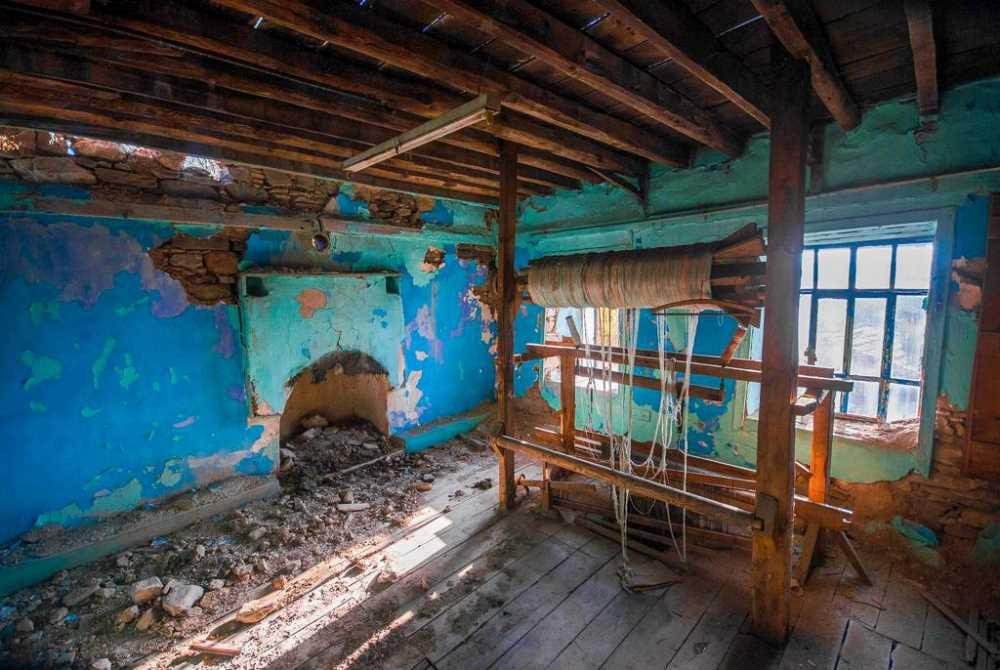
The stones and architectural fragments from the ancient city were reused in the construction of homes and streets in Hisar. For example, you can see fragments of ancient columns or inscriptions (technical term: ancient writing) embedded in the walls of houses. This reflects how historical artifacts were repurposed and how layers of life spanning centuries have become interwoven.
Thanks to this uninterrupted continuity of life and cultural layers, Attouda is a unique heritage site that simultaneously preserves the characteristics of an ancient city and a Turkish village with hundreds of years of history.