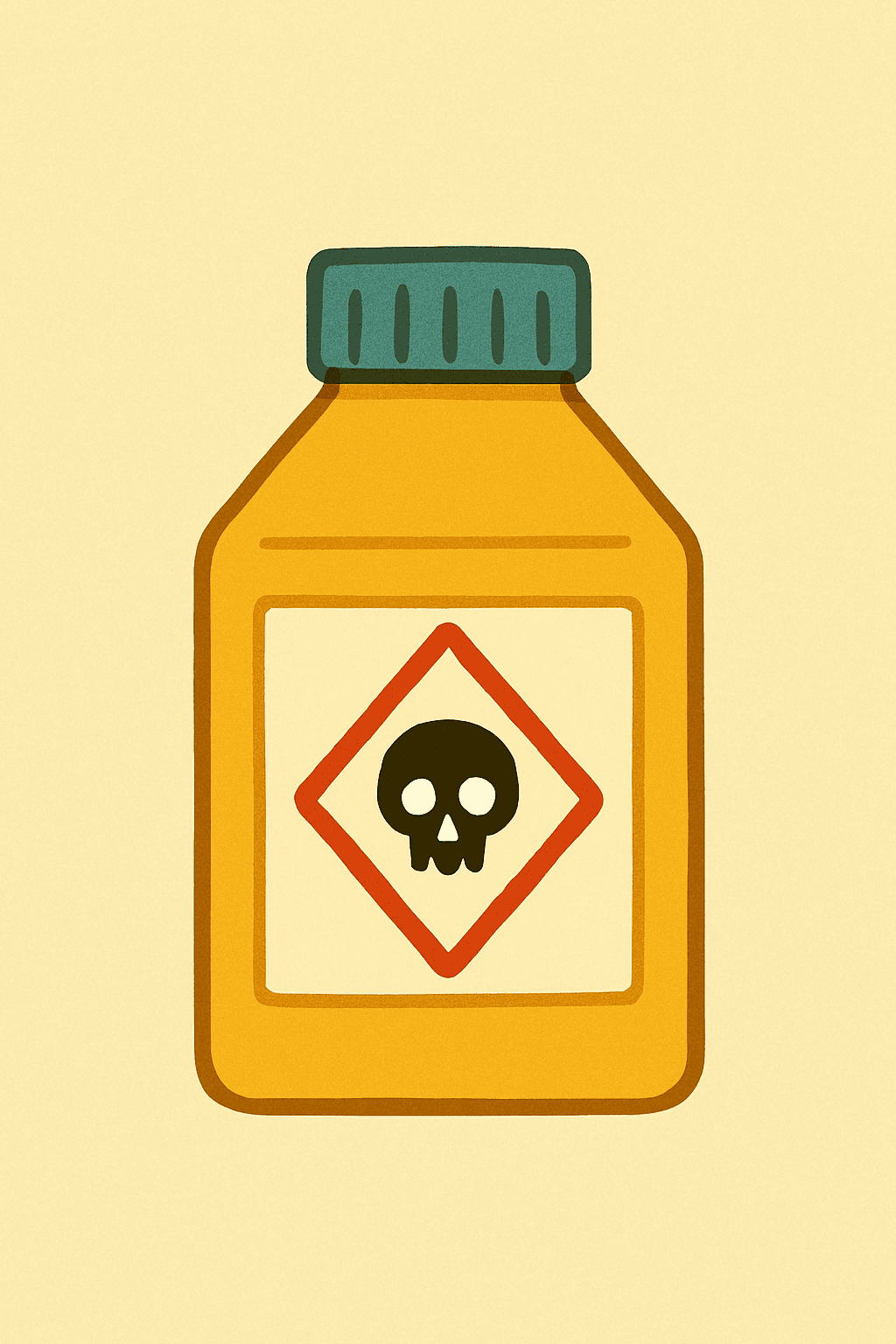




Pesticide
Pesticides are special substances used in agriculture and sometimes in our homes. What are they for, and what effects do they have? Let’s learn together!

Pesticide (Generated by Artificial Intelligence.)
What Is a Pesticide?
Pesticides are chemical or biological substances that protect plants. Insects, weeds, fungi, or other harmful organisms can hinder plant growth. Pesticides help plants grow healthily by keeping these harmful organisms away. For example, a chemical used to eliminate insects from an apple tree is a pesticide.
Pesticides come in different types:
- Insecticide: Used against insects.
- Herbicide: Eliminates weeds.
- Fungicide: Prevents fungal diseases.
- Rodenticide: Used against rodents such as rats.
These substances are vital for protecting crops in fields, but if used incorrectly or excessively, they can cause problems.
Where Are Pesticides Found?
Pesticides are not only used in fields but also sometimes in our homes, parks, schools, and gardens. For instance, pesticides may be sprayed to remove weeds in a park or to eliminate insects in a house. These substances can enter our bodies through the food we eat, the water we drink, the air we breathe, or surfaces we touch.
For example:
- When you eat an apple, there may be a small amount of pesticide residue on its surface.
- While playing in a park, you might come into contact with pesticides sprayed on the grass.
- The water we drink may contain pesticides that have seeped from fields.
Are Pesticides Harmful?
When used correctly, pesticides protect plants and help us produce more food. However, when used excessively or improperly, they can harm both the environment and human health. Here are some of their effects:

Pesticide (Generated by Artificial Intelligence.)
Effects on Human Health
If pesticides enter our bodies in large amounts, they can cause various health problems:
- Causing skin irritation or redness.
- Difficulty breathing, especially in children with asthma.
- Long-term exposure to high levels of pesticides may lead to serious illnesses such as cancer or nervous system disorders.
Effects on the Environment
Pesticides do not only affect harmful insects—they can also impact other living organisms in nature:
- Soil: They can kill beneficial organisms in the soil, such as earthworms, reducing soil fertility.
- Water: Pesticides that mix with water can make fish and other aquatic organisms sick.
- Biodiversity: They can reduce the populations of animals such as birds, insects, and frogs. For example, when bees are harmed by pesticides, pollination of flowers becomes difficult, which hinders plant growth.
For instance, in some countries, bird populations have declined due to pesticides. Bees are also heavily affected, disrupting the balance of nature.
How Can We Protect Ourselves from Pesticides?
There are steps we can take to reduce the harm caused by pesticides:
- Wash fruits and vegetables thoroughly: Rinsing them with plenty of water can reduce pesticide residues. However, some pesticides are absorbed into the plant and cannot be completely removed.
- Choose organic products: Organic farming uses fewer pesticides, and these products are subject to strict monitoring.
- Proper use is essential: Farmers can reduce harm by applying the right amount of pesticide at the correct time. A method called the “5D rule” is used: correct diagnosis, correct pesticide, correct timing, correct dosage, and correct equipment.
Is Pesticide-Free Farming Possible?
Yes, it is possible! Farming can be done without or with minimal use of pesticides through methods such as organic farming, agroecology, and integrated pest management. These approaches allow us to produce healthy food while protecting nature. For example, we can control harmful insects by using beneficial insects.
Pesticides are used in agriculture to protect plants, but if not handled carefully, they can harm both nature and us. We can reduce the harm caused by pesticides by washing fruits and vegetables, choosing organic products, and taking care to protect the environment. We all need to be conscious to protect both nature and ourselves!