




Sebaste Ancient City
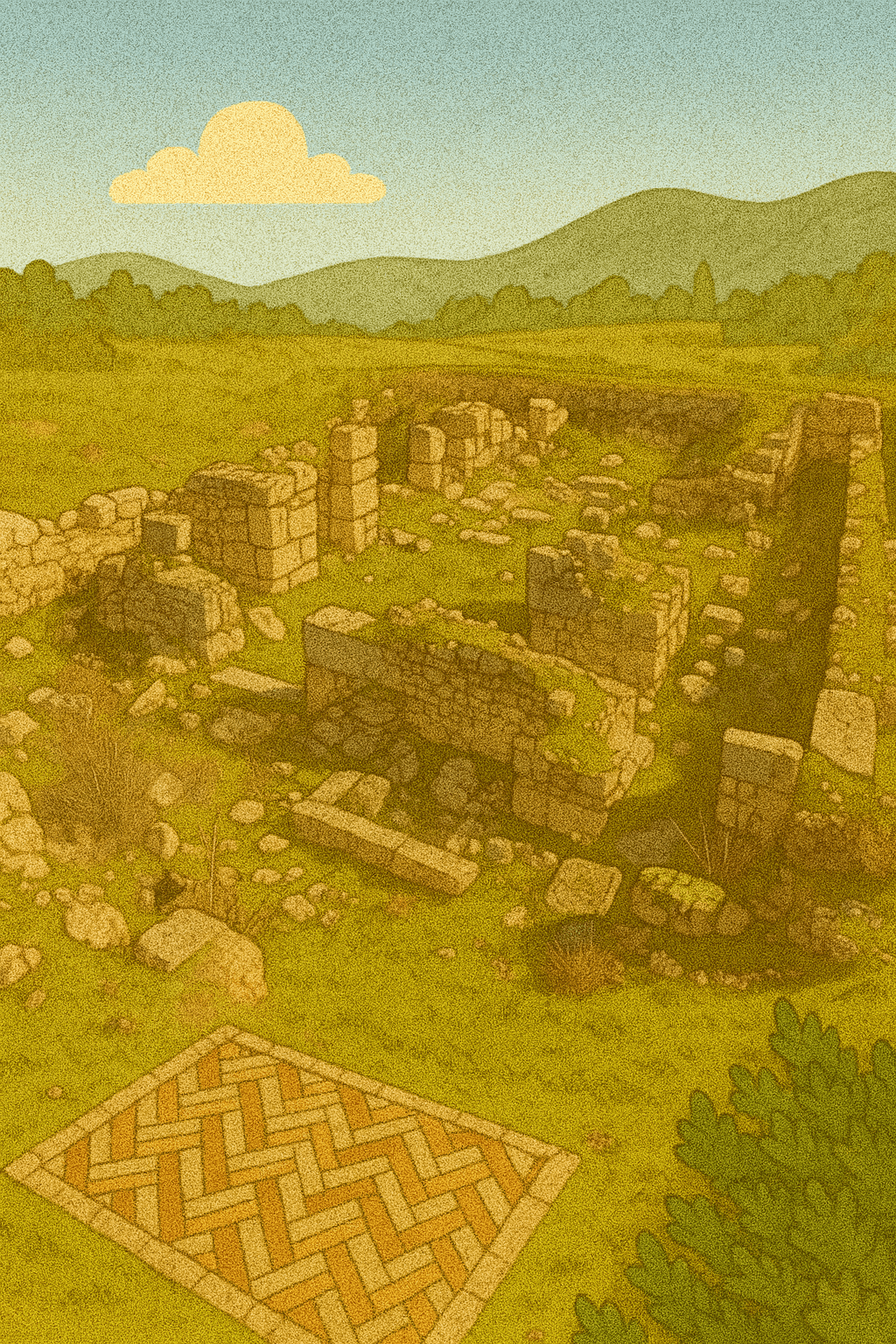
In the vicinity of the village of Selçikler, which belongs to the district of Sivaslı in Uşak, lies an ancient city: Sebaste Ancient City. This city was founded exactly two thousand years ago, in 20 BCE, by order of the Roman Emperor Augustus. The word “Sebaste” means “revered” in Greek and was in fact Augustus’s title. Thus, the city’s name was an act of respect toward the most powerful ruler of that era.
Where Is It Located?
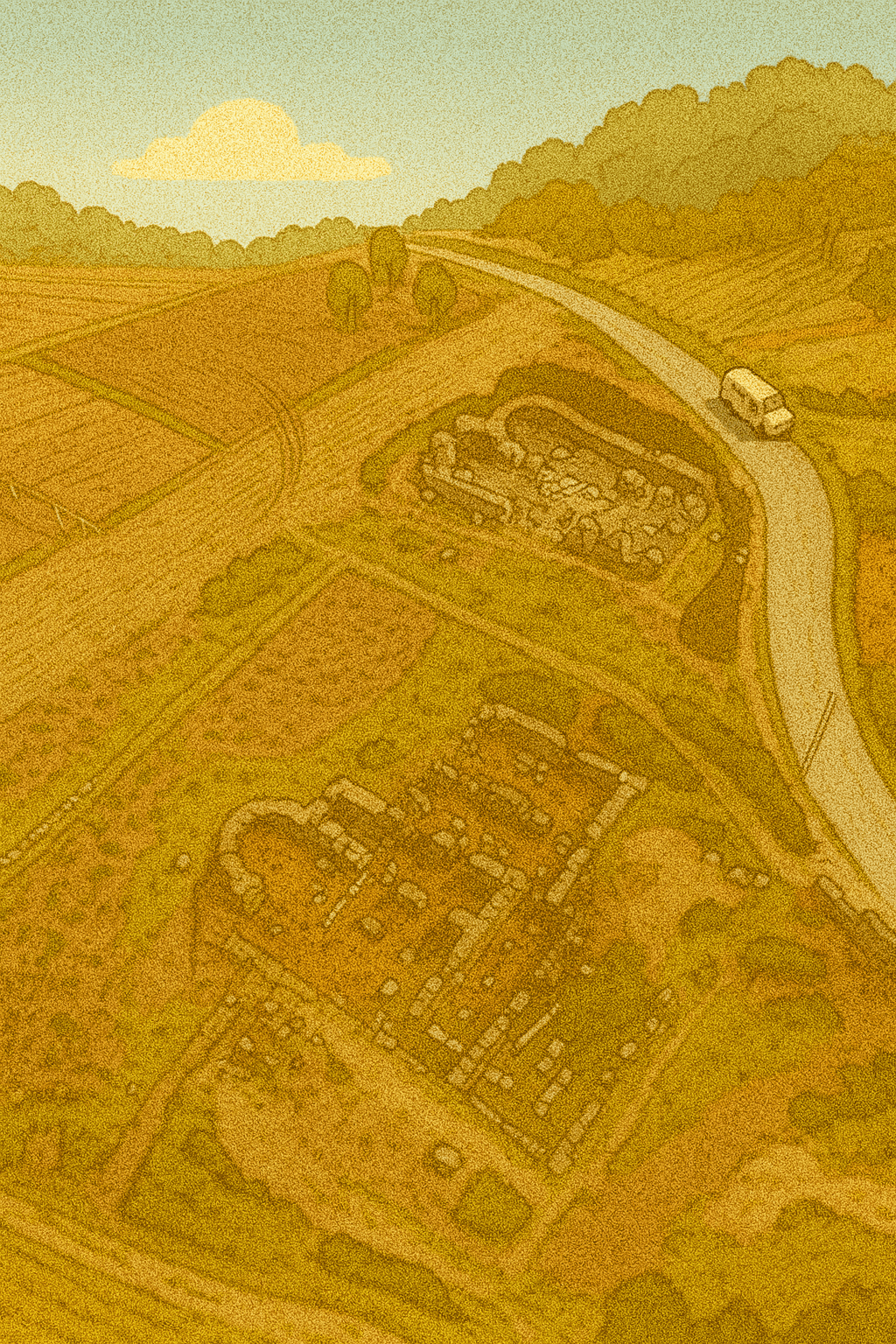
Sebaste is situated 36 kilometers from the city center of Uşak, in a fertile plain surrounded by productive farmland. The location was highly suitable for both agriculture and trade in antiquity. Even today, the ancient city is easily accessible by road.
Culture PortalGenerated by Artificial Intelligence based on this photograph.
History
During the Roman period, Sebaste was one of the most important cities in Anatolia. So significant was it that it was counted among Rome’s twelve major cities. In Roman times, people lived here, conducted trade, and worshipped in temples.
Centuries later, during the Byzantine period, the city became a bishopric center. As a result, numerous churches were built here, making it an important hub for Christianity.
Archaeological Discoveries
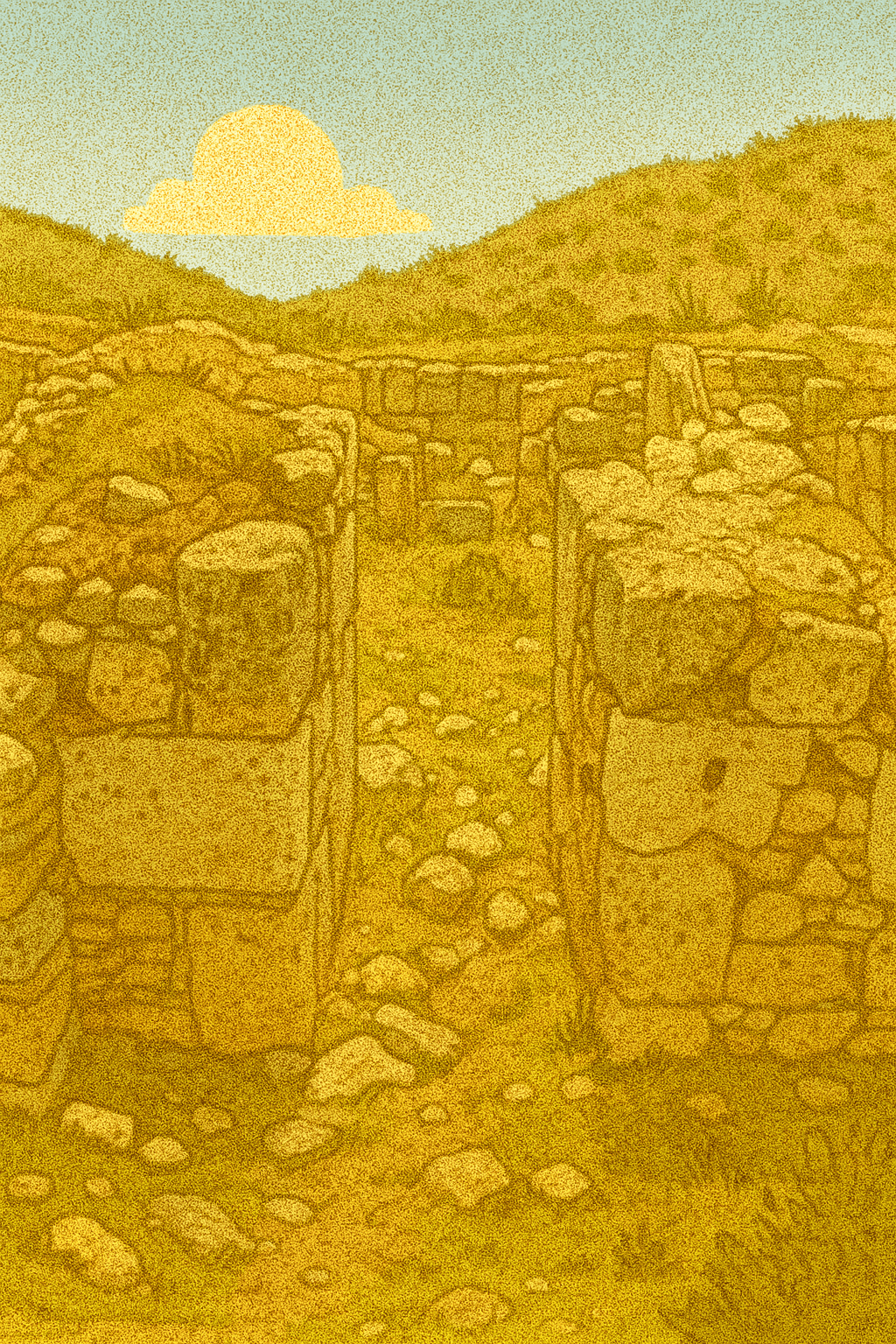
Excavations at Sebaste have uncovered the remains of two large churches: one known as the “Great Church” and the other as the “Small Church.”
In new excavations conducted in 2024, a particularly remarkable find was made: a mosaic floor. This mosaic features a “braided pattern” design. Such mosaics have been found in only six locations across all of Anatolia, making this discovery exceptionally valuable. The mosaic belongs to the floor of the Great Church and has been dated to between the 4th and 7th centuries CE. This demonstrates how advanced Sebaste was in terms of art and craftsmanship during those centuries.
Culture PortalGenerated by Artificial Intelligence based on this photograph.
Cultural Significance
While Sebaste was a powerful city during the Roman period, it retained its importance during the Byzantine era as a religious center. The churches, mosaics, and architectural remains found here offer valuable insights into the beliefs, artistic sensibilities, and daily life of its past inhabitants.
Current Status
Today, the Sebaste Ancient City is preserved by the Uşak Governorship and other institutions. Scientists continue to conduct excavation work at the site. Although some structures are not yet under protection, archaeologists are working to preserve this historic city for future generations. Visitors can simultaneously admire the traces of the past and the beauty of nature.