



Sultan Malik-Shah – Ruler of Science, Justice, and Peace
Who Was Sultan Malik-Shah?
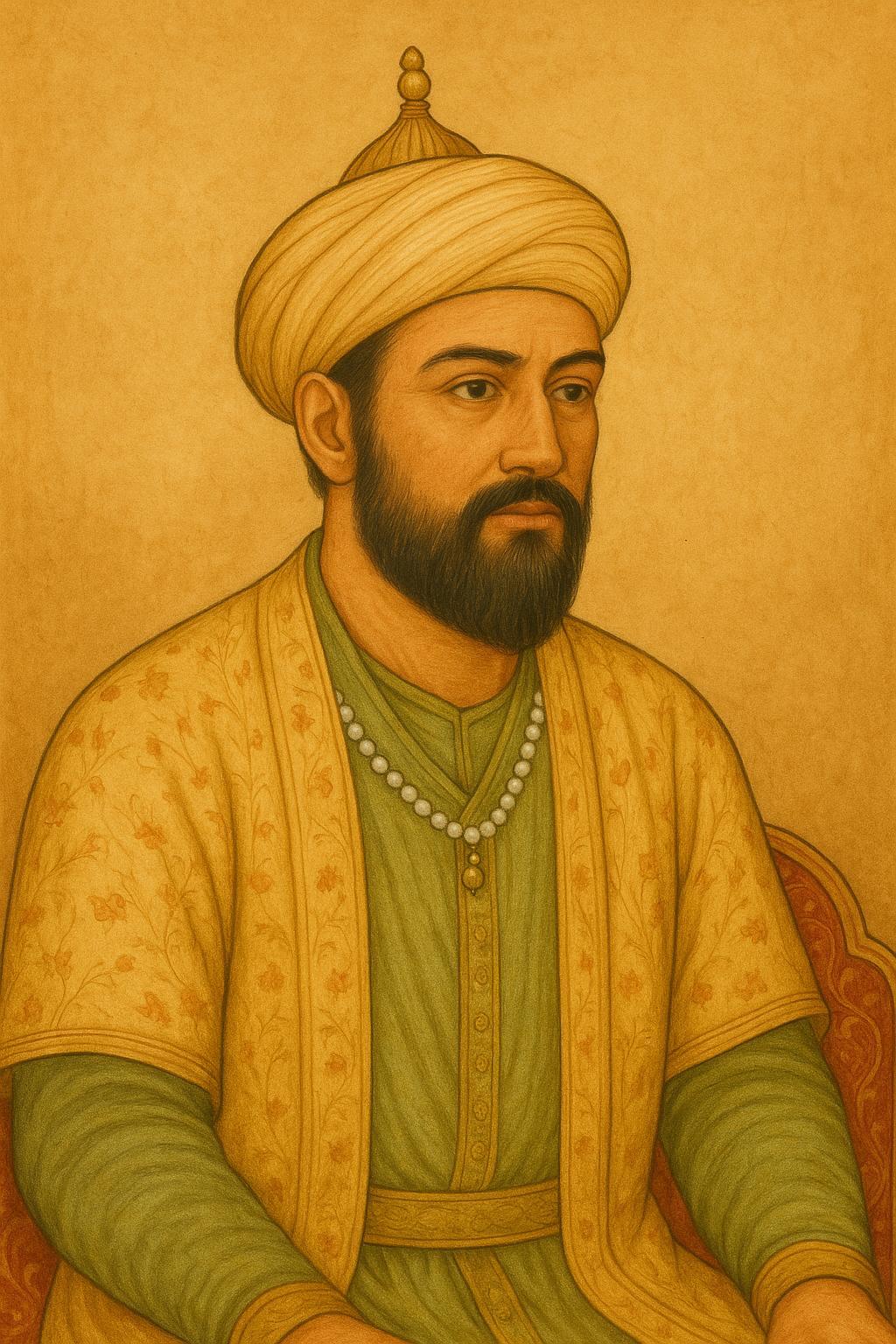
Sultan Malik-Shah was one of the most renowned rulers of the Great Seljuk State. He ascended the throne after his father, Sultan Alp Arslan, and brought the state to its most powerful period. He was both an excellent leader and a ruler who valued knowledge, justice, and peace. During his reign, many important scholars emerged, a just administration was established, and the people lived in harmony.
When and Where Did He Live?
Sultan Malik-Shah was born in 1055 and ascended the Seljuk throne in 1072. He ruled for approximately twenty years. The capital was the city of Isfahan. During his reign, regions of Iran, Iraq, Syria, Central Asia, and parts of Anatolia were incorporated into Seljuk territories. By the time of his death in 1092, the Seljuk State had become one of the largest empires in the world.
What Kind of Ruler Was He?
Sultan Malik-Shah was a highly just and compassionate ruler. He consistently showed kindness to his people and provided aid to the poor. He worked to ensure peace within his realm and desired that his subjects live in tranquility. Together with his vizier Nizam al-Mulk, he established a strong state administration. Laws and regulations applied equally to all.

(Generated by artificial intelligence.)
His Value for Science and Art
Sultan Malik-Shah greatly admired scholars and artists. He protected them and supported their work. One of the most important scholars of his time was Omar Khayyam, who was a poet, mathematician, and astronomer. Thanks to the Malik-Shah Calendar, commissioned by Sultan Malik-Shah, years were accurately calculated.
Additionally, the Nizamiyya Madrasas continued to flourish during his reign. These institutions offered instruction in logic, mathematics, jurisprudence, literature, and astronomy.
What Works Did He Leave Behind?
During Sultan Malik-Shah’s reign, numerous mosques, bridges, madrasas, and palaces were constructed. Roads were built across the country to facilitate trade. Buildings were adorned with decorative elements, and books were reproduced in greater numbers. Seljuk architecture experienced its golden age during this period.

(Generated by artificial intelligence.)
Malik-Shah’s Closest Advisor: Nizam al-Mulk
Malik-Shah had a highly knowledgeable vizier by his side: Nizam al-Mulk. With his assistance, state affairs were conducted in an orderly manner. Nizam al-Mulk authored a book titled “Siyasatnama,” which details how a state should be governed. Malik-Shah followed these recommendations in establishing a just administration.
Why Is He Important?
Sultan Malik-Shah did not merely transform the Seljuk State into a powerful empire; he became an exemplary ruler by placing knowledge, justice, and order at the forefront. Thanks to him, many scholars were able to work, the people lived in peace, and cultural advancements took place. For these achievements, Malik-Shah is regarded as one of the greatest sultans in Turkish-Islamic history.
References
- Osman Turan. Türkiye in the Seljuk Era. Ötüken Yayınları.
- Turkish Directorate of Religious Affairs. “Malik-Shah and Seljuk Culture.” https://www.diyanet.gov.tr
- Ministry of Culture and Tourism. “The Great Seljuks.” https://www.ktb.gov.tr
- Ibn al-Athir. Al-Kamil fi al-Tarikh. Beirut: Dar al-Sadir.