



The Delicious Heritage of Hard Times: War Bread
Have you ever eaten a pastry that is both sweet and savory, filled with spices as fragrant as saffron? The “Seferberlik Çöreği” made in the village of Sarıbeyler, part of the Savaştepe district of Balıkesir, is precisely such a flavor. This pastry is special not only for its taste but also for the touching and significant story behind its name. Let us together uncover the secret of this recipe, which is over a century old, and understand why it holds such great value.
What Is Seferberlik Çöreği?
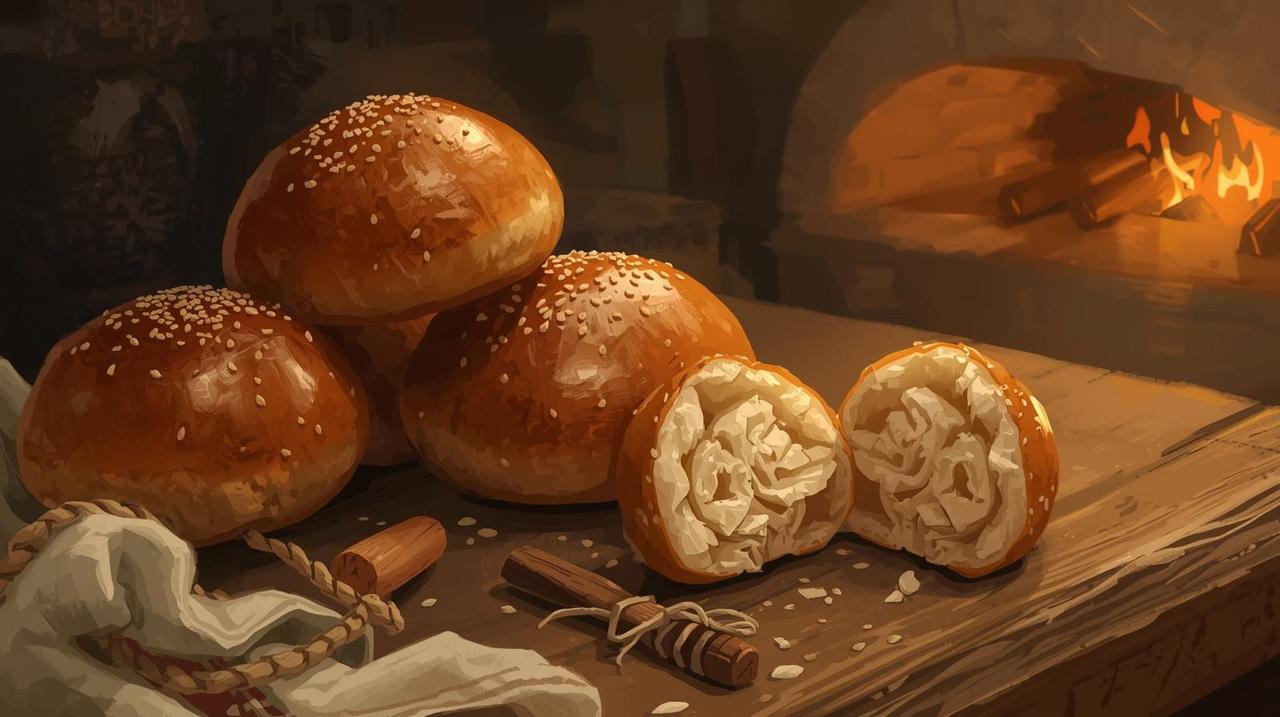
Seferberlik Çöreği is a unique pastry made with chickpea yeast, combining both sweet and savory flavors, and designed to remain fresh for extended periods. It contains chickpeas, flour, sugar, salt, olive oil, and a rich blend of aromatic spices including cumin, anise, clove, cinnamon, gum resin, and ginger. Unlike other pastries, it is leavened using a natural yeast made from chickpeas, which gives it exceptional longevity. This characteristic is not only its greatest secret but also the key to its historical significance.
Why Is It Called “Seferberlik”?
Beneath the name of this pastry lies a poignant yet deeply meaningful story rooted in our nation’s most difficult times. Around a century ago, during major conflicts such as the Gallipoli Campaign, men were conscripted into military service under the declaration of “seferberlik.” Left behind, mothers, wives, and sisters wished to prepare something for their loved ones who would be away for months or even years, to sustain them along the journey when hunger struck. Seferberlik Çöreği was specially baked for these soldiers, crafted to be nutritious and long-lasting. In truth, this pastry was the most flavorful expression of a mother’s love and longing for her child.
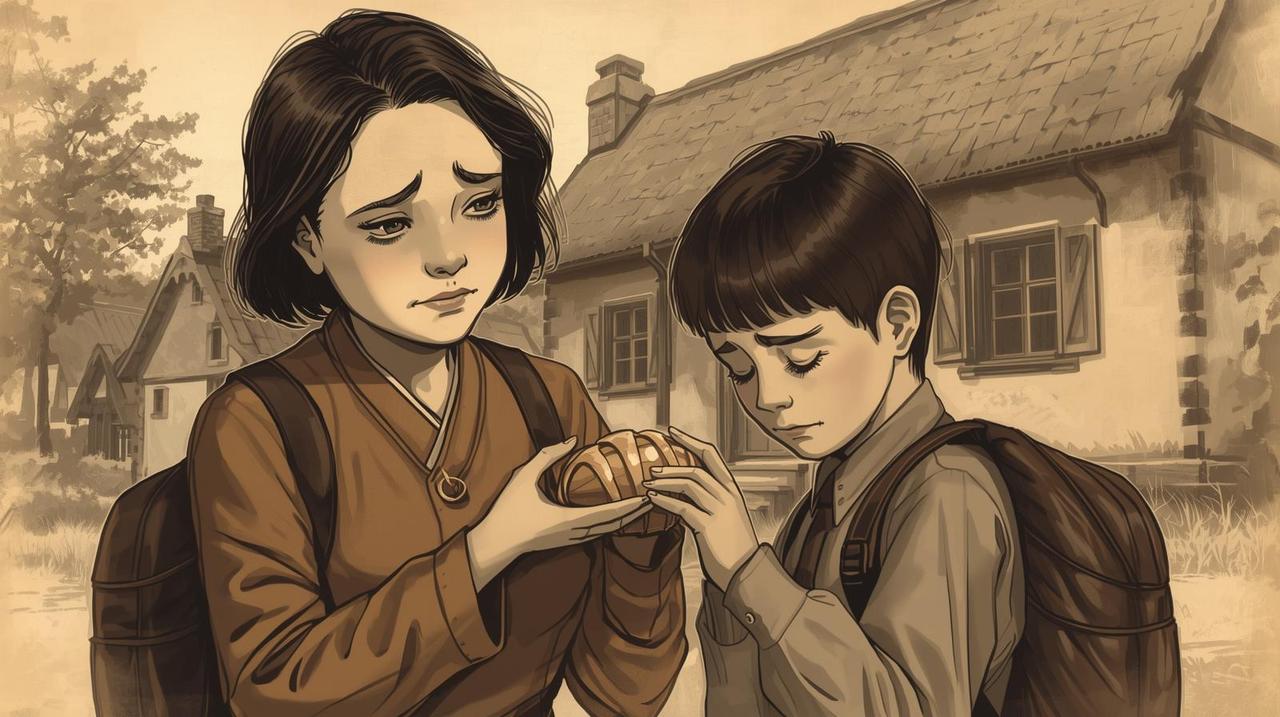
(Generated by Artificial Intelligence)
A Tradition from the Past
Preserving this tradition in Sarıbeyler is of great importance. Once baked in stone ovens found in every household, these pastries are still prepared today, especially on the eves of Ramadan and Eid al-Adha, using the communal method known as “imece,” where neighbors help one another. The baked pastries are served to guests during the holidays alongside tea. They also find their place on the tables at weddings and other special occasions. Eating this pastry is an act of respect for a century-old tradition and the sacrifices made during those difficult times.

(Generated by Artificial Intelligence)