

Tomb of İsmail Fakirullah
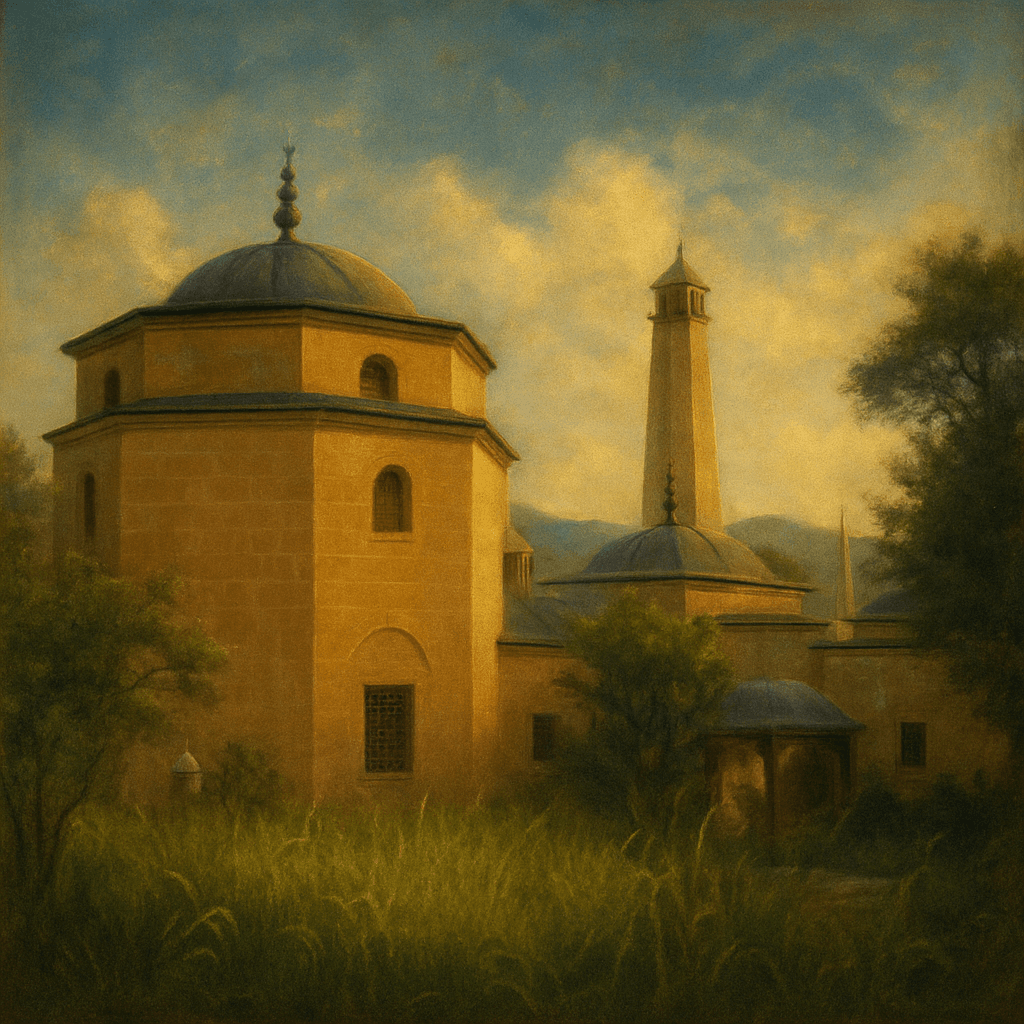
The Tomb of Ismail Fakirullah is located in the Tillo district of Siirt. The tomb was built in the 18th century by his student, Ibrahim Hakki of Erzurum. What makes this tomb unique is both its expression of reverence for the teacher and the occurrence of a rare astronomical phenomenon here.

(Generated by Artificial Intelligence)
The Event That Makes the Tomb Unique: The Light Phenomenon
Upon the death of his teacher, Ibrahim Hakki built an eight-sided tower beside the tomb, asking, “What can I do to prevent the sun from not rising at my teacher’s bedside?” He also constructed a stone wall with windows, using no mortar, approximately 3 kilometers east of the tomb. This wall is known as the Ustad Castle.
Every year on March 21 and September 23 (the equinoxes), sunlight passes through the window of this wall, reflects into the tower, and then enters the tomb. The light precisely illuminates the head of Ismail Fakirullah’s coffin. This phenomenon is called the “Light Phenomenon”.
Significance of the Tomb
- Astronomically: It demonstrates accurate calculation of the sun’s movements.
- Architecturally: Such a light arrangement was created using only stone, a tower, and windows.
- Culturally: It is a beautiful example of respect for knowledge and teachers.
Due to these features, the tomb was added to the UNESCO World Heritage Tentative List in 2015.

(Generated by Artificial Intelligence)
Who Was Ismail Fakirullah?
- Born in Tillo in 1657.
- Performed the Hajj in his youth and turned toward religious sciences.
- After the age of forty, he became more devoted to Sufism.
- Educated many students around him.
- Died in 1734.
Who Was Ibrahim Hakki?
- Born in 1703 in the Hasankale district of Erzurum.
- Conducted studies in astronomy, medicine, anatomy, geometry, and psychology.
- Is known for his work titled Marifetname.
- Upon his death in 1780, he was buried beside his master in this tomb.

(Generated by Artificial Intelligence)