



Torumtay Tomb
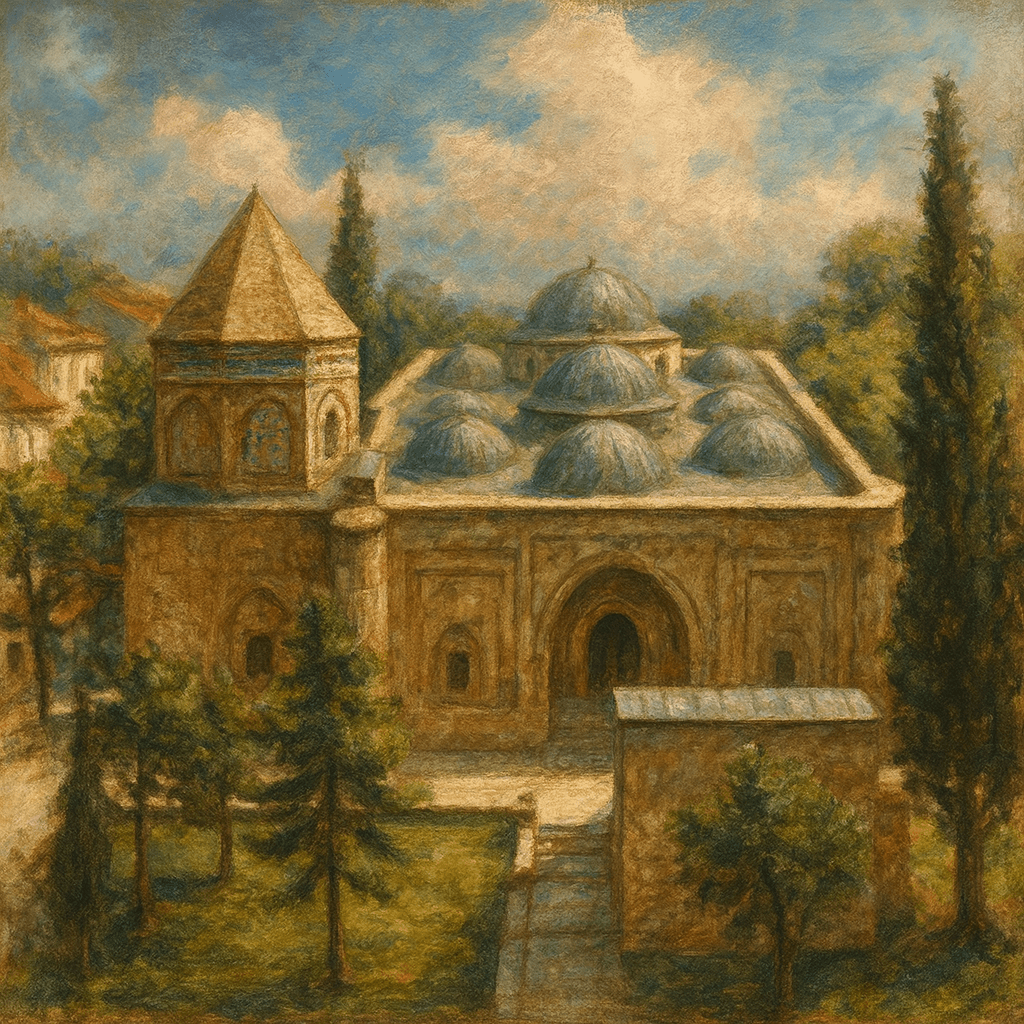
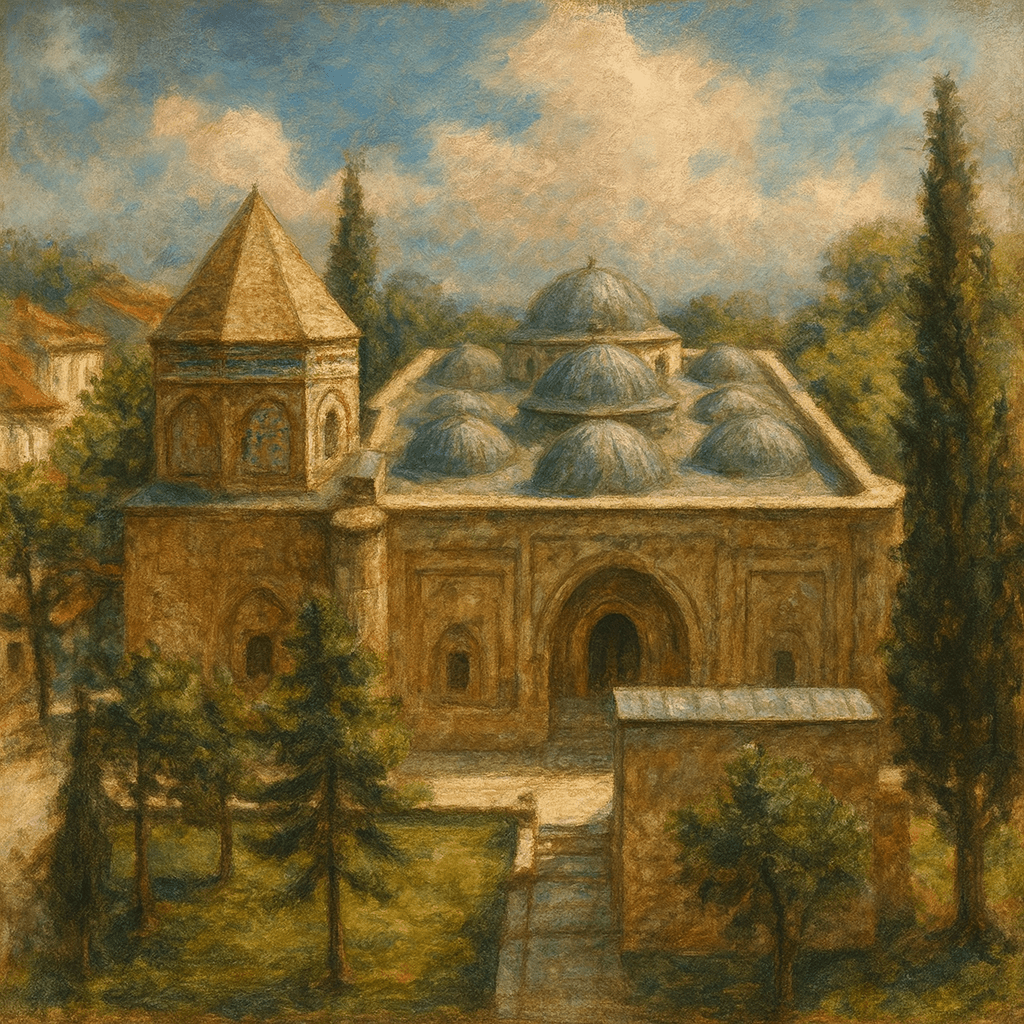
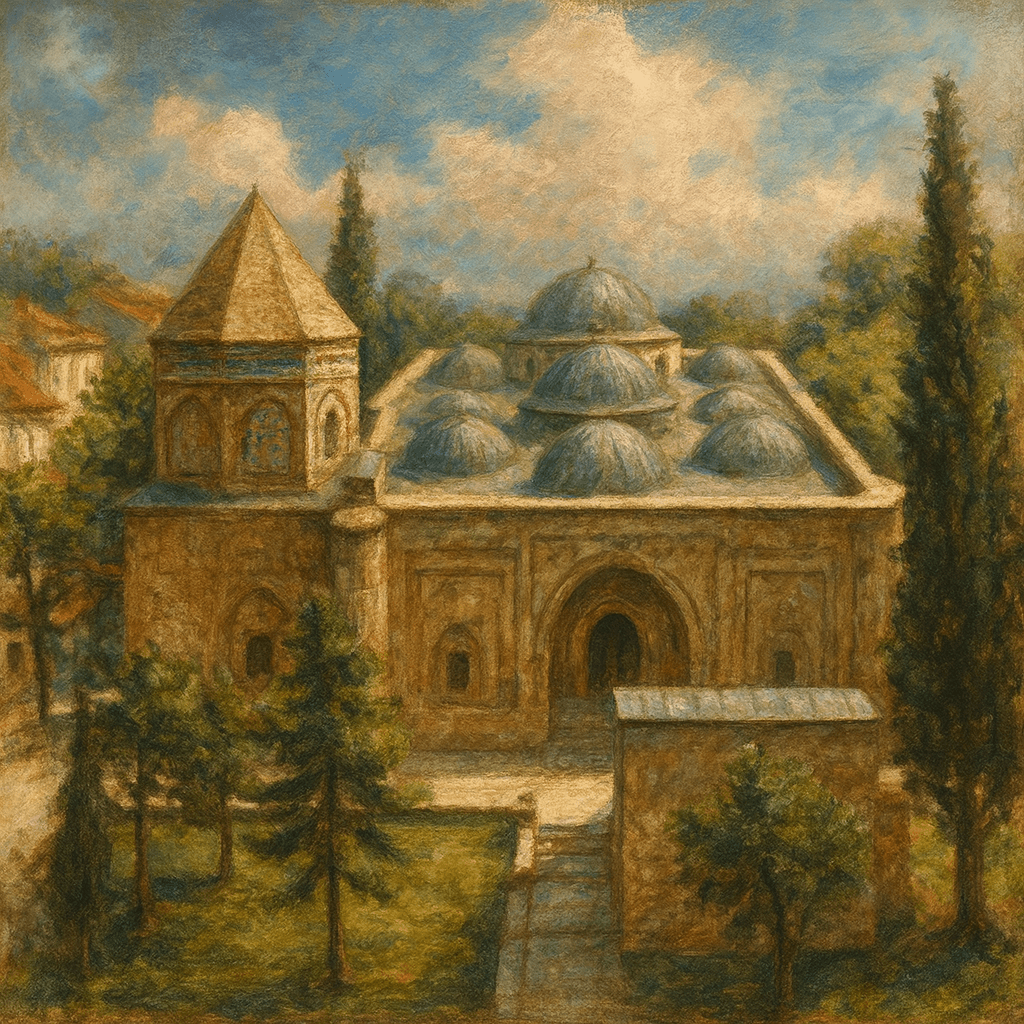
The Torumtay Türbesi, located in the center of Amasya, was built in 1278 by Amasya’s governor Seyfeddin Torumtay. The tomb serves as the eternal resting place not only for Torumtay but also for his children and grandchildren. Its structure, decorations, and layout exhibit distinctive features different from other Seljuk tombs.
(Generated by Artificial Intelligence)
Structure of the Tomb
The tomb has a rectangular plan and consists of two stories. The lower floor contains the cenazelik (burial chamber), while the upper floor is the section visited by pilgrims. The construction employs cut stone, rubble stone, and brick. From the exterior, the south façade draws attention with its high reliefs, an ornate marble niche, and windows.
In Seljuk tombs, decorations are typically concentrated around doors and windows, but in the Torumtay Türbesi, they are predominantly located on the upper sections. The reliefs feature plant motifs such as lotus and palmette leaves.
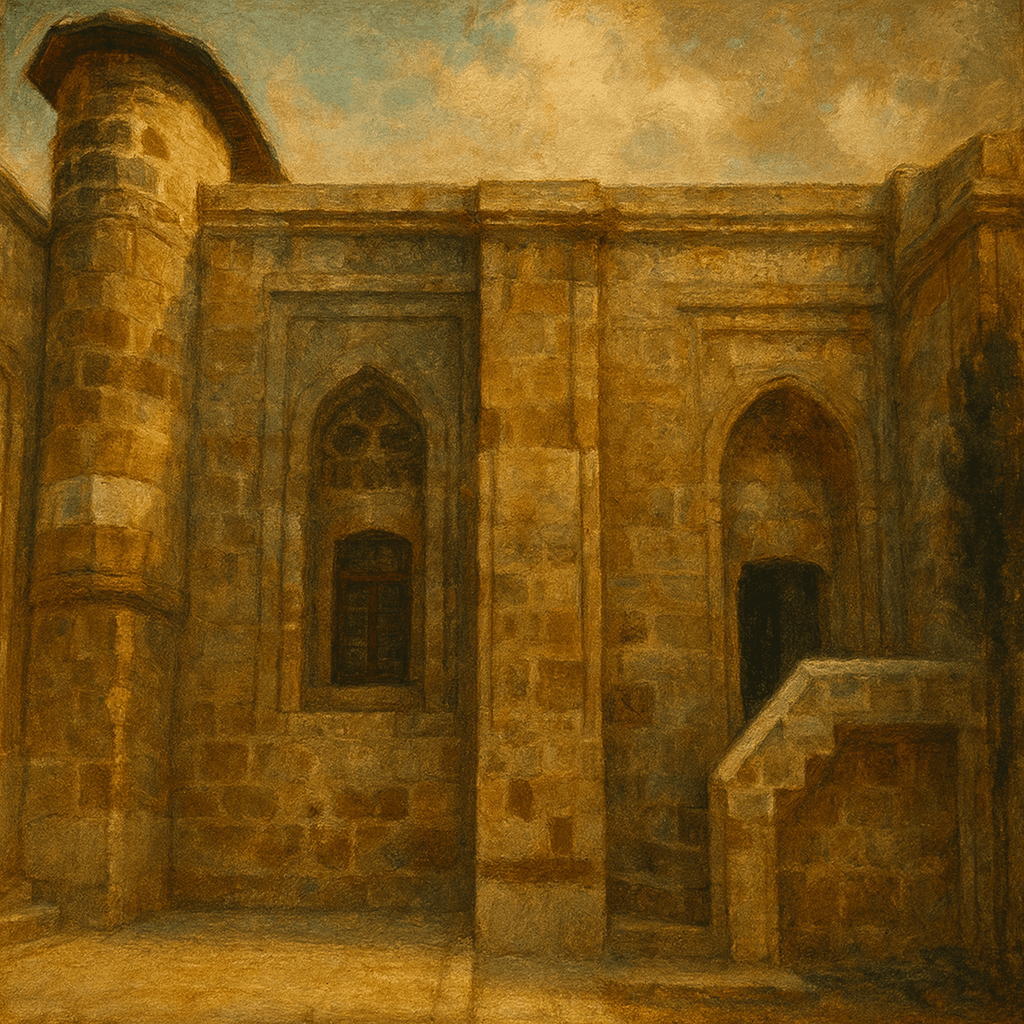
(Generated by Artificial Intelligence)
Who Is Buried in the Tomb?
In the cenazelik on the lower floor, the largest sarcophagus belongs to Seyfeddin Torumtay. Above it is inscribed Ayetü’l-Kürsi. Also present in the tomb are sarcophagi of Torumtay’s son Yakup Çelebi, his grandson Alaeddin Çelebi, his grandson’s son Ebu Bekir Çelebi, and other family members.
Journey Through Time
The tomb underwent restoration during the reign of Sultan II. Abdülhamit in 1891–1892. Today, it still stands as one of the most important examples of Seljuk architecture in Amasya.
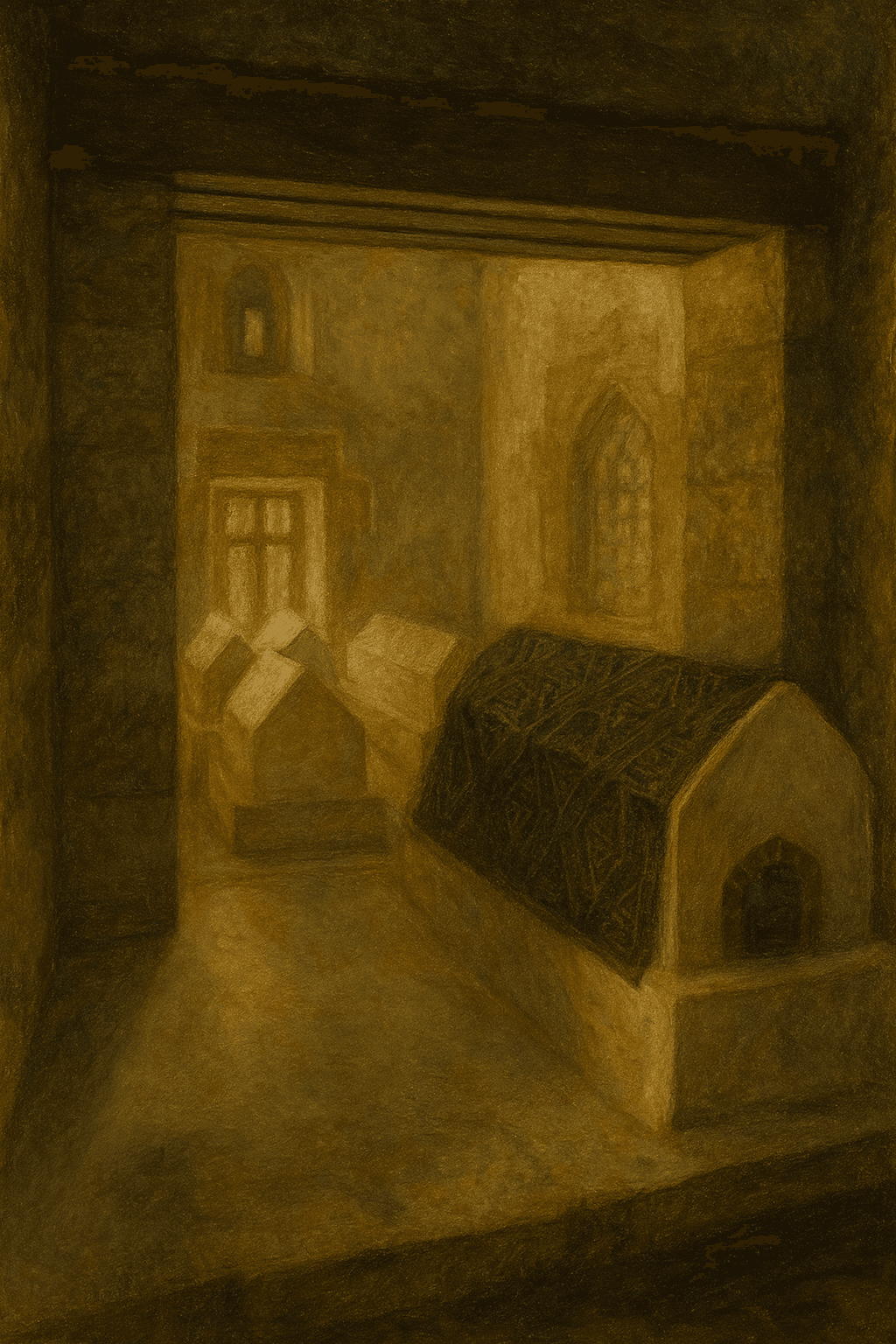
(Generated by Artificial Intelligence)