


What Are the Effects of Sports on Our Lives?
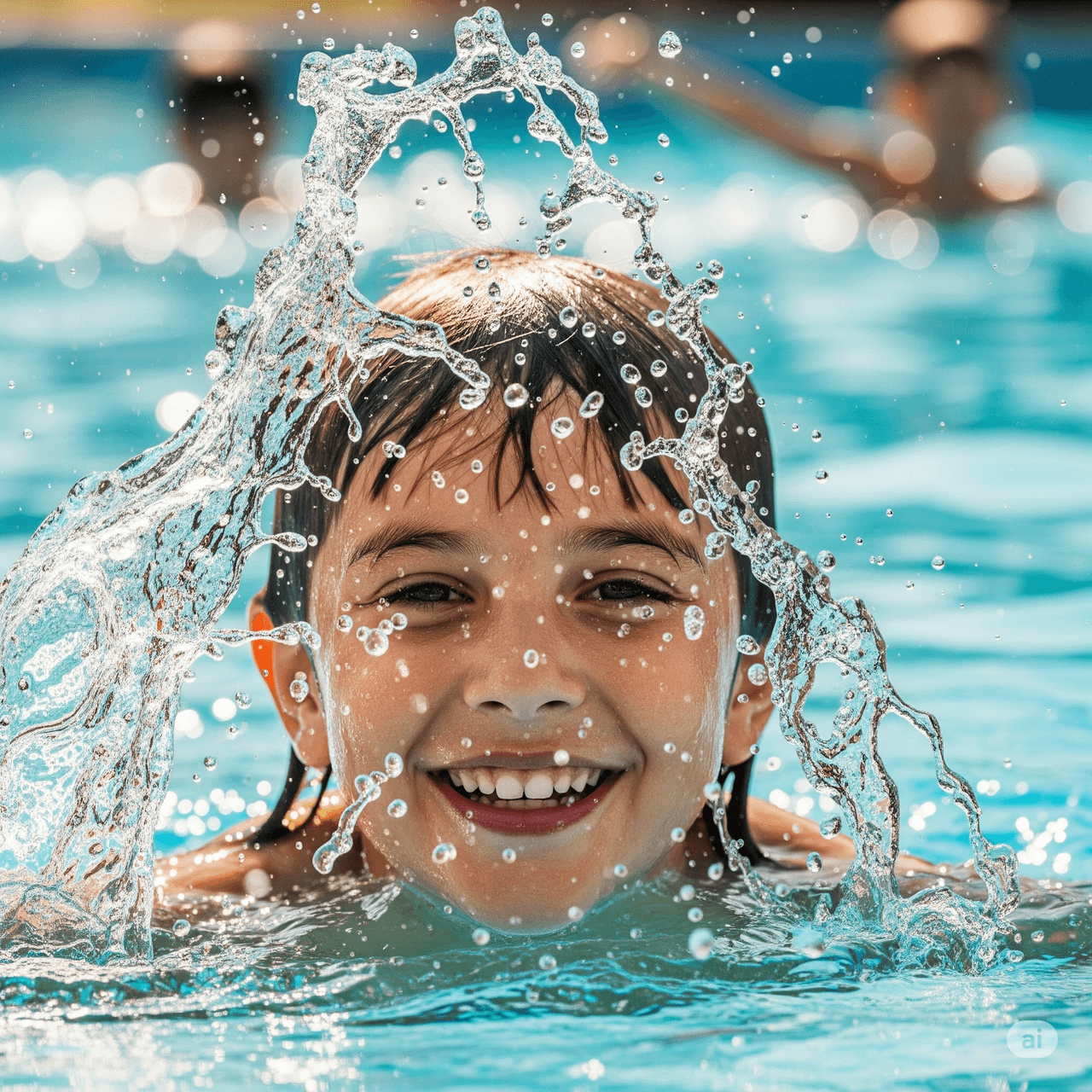
Sport plays a vital role in children’s bone and muscle development. Regular physical activity supports the body’s growth process while simultaneously strengthening the immune system. In active children, bone density increases, providing natural protection against conditions such as osteoporosis that may arise in later life. Through sport, muscle mass develops and ligaments and tendons become stronger. This enhances the body’s flexibility and resilience. The physical strength gained during childhood forms the foundation for a healthier adult life. Thus, sport becomes an indispensable part of healthy growth.

(Generated by artificial intelligence.)
Strong Heart and Circulatory System
Regular participation in sport is of great importance for heart and vascular health. Children’s heart rates become regulated during physical activity, and the circulatory system functions more efficiently. As a result, oxygen and nutrients are delivered to the body more rapidly. With balanced energy production, children feel more energetic in daily life. Regular physical activity reduces the risk of developing heart and vascular diseases later in life. This habit formed in childhood helps maintain lifelong health. The benefits of sport enhance not only physical strength but also quality of life. This heart-healthy practice is essential for generating healthy generations.
Improvement of Motor Skills
Sport plays a critical role in developing children’s movement abilities. Activities such as running, jumping, climbing, and balancing support motor development. As a result, children learn to use their bodies with greater awareness. The development of fine and gross motor skills simplifies daily life activities. The hand-eye coordination, quick reaction, and precise movement skills gained through sport continue to provide benefits in later stages of life. The advancement of motor skills also positively influences academic performance, as movement control is directly linked to cognitive processes such as attention and concentration. Thus, sport offers not only physical but also cognitive benefits.
(Generated by artificial intelligence.)
Development of Social Relationships
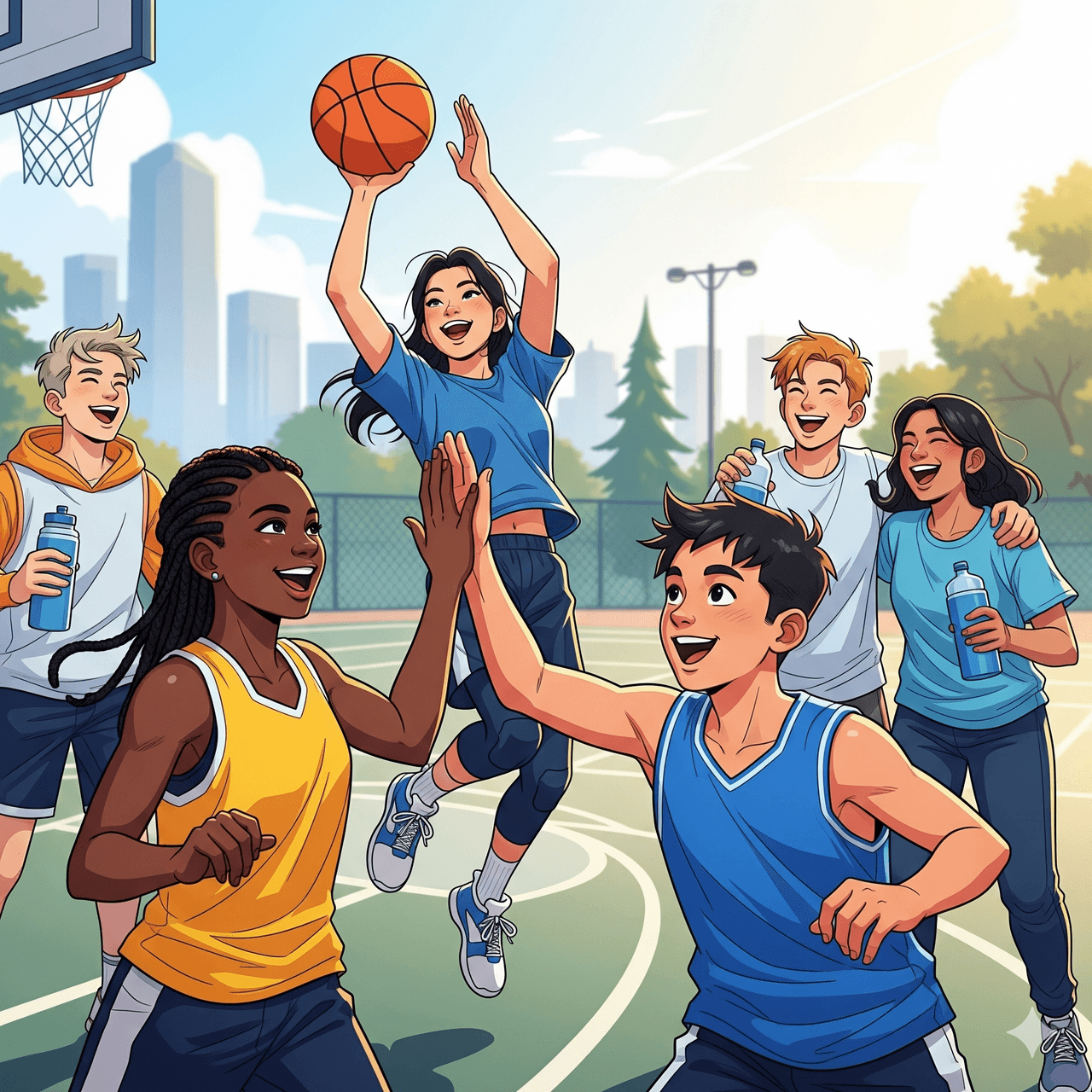
Through sport, children become more active in social life. Team sports teach cooperation and synchronized movement. During this process, children learn to share, help one another, and follow rules. The sporting environment provides a natural opportunity for friendships to develop. Additionally, children learn empathy by encountering diverse personality traits. Social interactions strengthen communication skills. Sport promotes not only individual achievement but also social adaptation. Therefore, sport holds a significant place in the development of children’s social identity.
Self-Confidence and Self-Recognition
Sport offers children an important opportunity to understand themselves. Through experiences of success and failure, children learn their limits. A sense of achievement boosts their self-confidence and enables them to discover their own potential. Children who engage in regular sport develop a better understanding of their bodies and recognize their strengths. This awareness contributes to personal development in later years. Children with increased self-confidence move more comfortably within society. A sense of self-assurance positively influences both academic success and social relationships. Sport is a vital tool for strengthening internal motivation.

(Generated by artificial intelligence.)
Reduction of Stress and Anxiety
Sport also makes significant contributions to children’s psychological development. Regular physical activity reduces levels of stress and anxiety. Through sport, children channel their energy in healthy ways. Play and exercise support the release of happiness hormones, improving mood. As a result, children feel calmer and more balanced in daily life. Sport also helps reduce aggressive behaviors. Children learn to manage their emotions. Individuals who develop coping skills for stress become more resilient in facing life’s challenges. Thus, sport becomes an effective tool for preserving mental health.
(Generated by artificial intelligence.)
Contribution to Academic Achievement
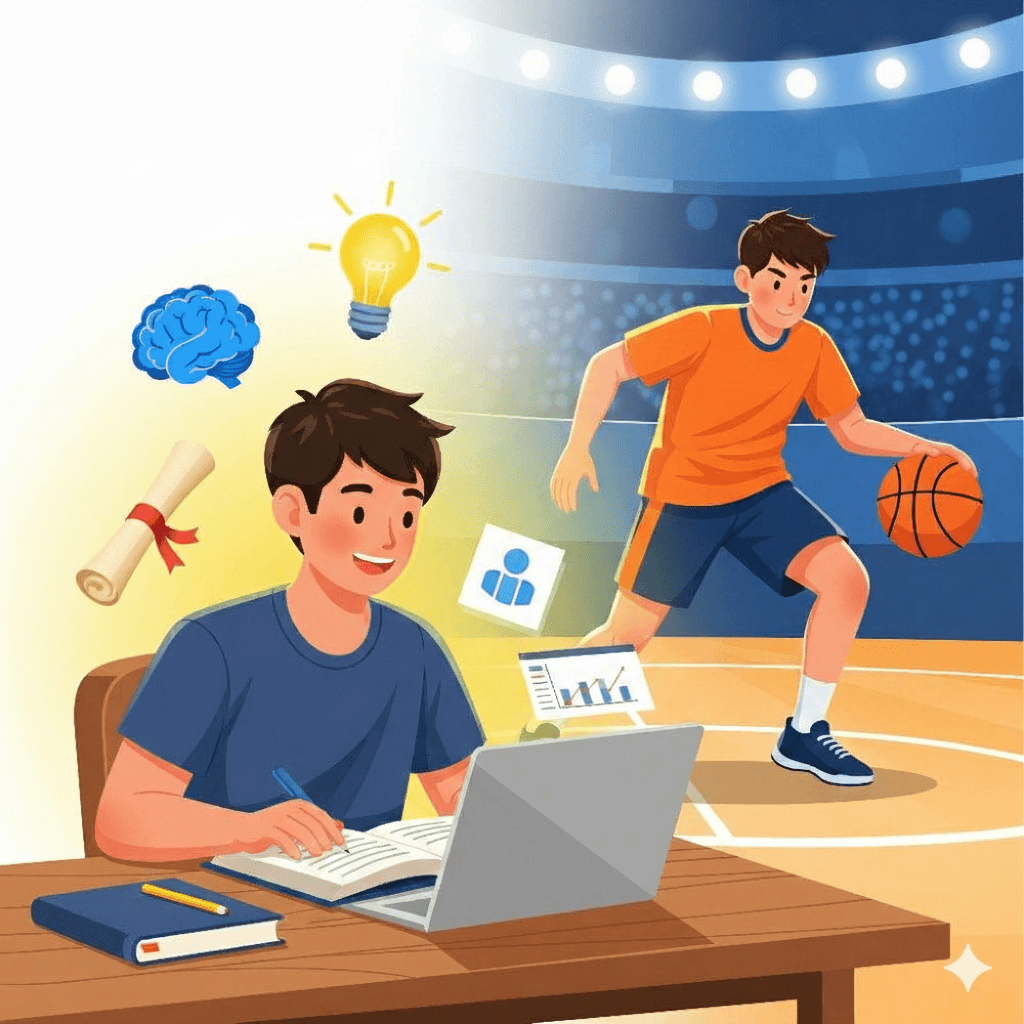
A strong relationship exists between sport and learning. Children who engage in regular physical activity have longer attention spans, making it easier to focus in class. Students who participate in sport also show improved memory and problem-solving skills. Physical activity enhances blood circulation in the brain, supporting learning processes. Academic success is not only linked to studying but also to physical activity. Regular participation in sport directly improves school performance. Therefore, integrating sport into educational systems is highly important. Sport is a complementary element of cognitive development.
Energy Balance and Healthy Living
Children’s energetic nature is balanced through sport. Physical activity ensures that excess energy is used in a healthy manner. This reduces the risk of obesity and regulates metabolism. Healthy eating habits also develop alongside sport. When children adopt an active lifestyle at an early age, this behavior continues into adulthood. Thus, lifelong healthy habits are established. Sport is necessary not only for short-term but also for long-term health. Children who use their energy effectively lead more vibrant and happier lives. In this regard, sport directly enhances quality of life.

(Generated by artificial intelligence.)
Social Adaptation
Sport is an important activity that brings together diverse social groups. Through sport, children form new friendships and encounter different cultures. This process contributes to the development of social cohesion. The sporting environment reinforces a sense of equality and teaches respect for differences. Within a team spirit, children acquire both individual and social responsibilities. Sport helps individuals take active roles within society, thereby increasing social solidarity and strengthening community bonds. The values gained in childhood through sport remain significant throughout a person’s life.
Emotional Resilience
Children who participate in sport become more resilient in the face of challenges. Regular physical activity fosters patience and determination. Through sport, children learn to strive for success through effort. This process increases their sense of responsibility. Emotional resilience emerges as a crucial skill both in school and in social life. Sport facilitates coping with negative emotions. Children learn to persevere and develop a stronger outlook on life. Thus, sport transforms into a life tool that enhances individuals’ psychological resilience.