



What Are Bones For?
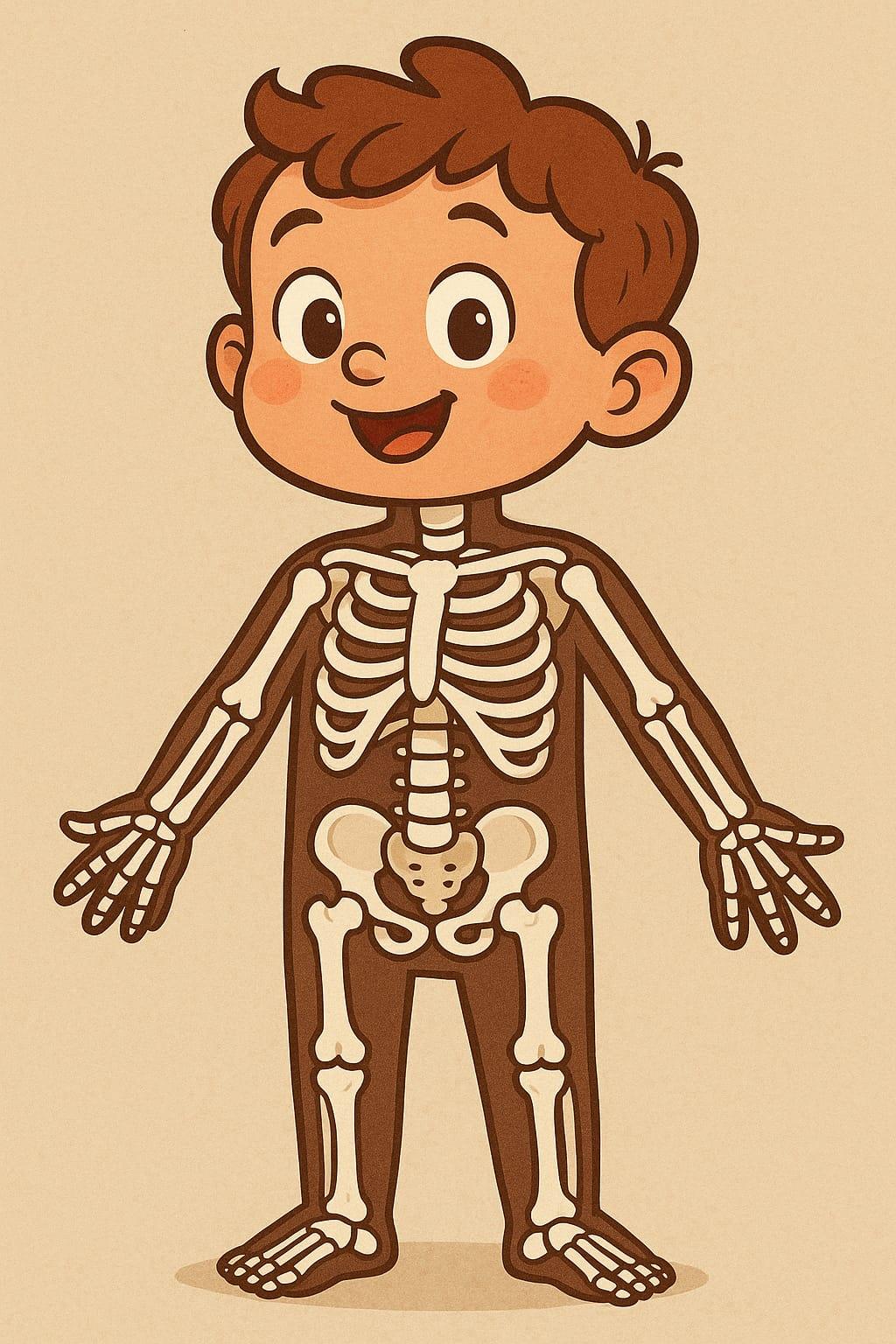
Bones are the fundamental building blocks of the body. They shape the body, protect internal organs, enable movement, produce blood, and store minerals. They also play a vital role in growth and development.

Adult Skeleton Image.Pixabay)
Shapes the Body
The human body has a defined shape thanks to bones. The skeletal system, composed of bones, forms the body’s framework. The round shape of our head, the length of our arms, and the posture of our feet are all possible because of bones. Without bones, our body would be a soft mass.
Provides Support
Bones do more than just give shape; they also support the entire body. The ability to stand, walk, and sit is made possible by the support provided by bones. The spine, in particular, plays a crucial role in maintaining an upright posture.
Protects Vital Organs
Bones act as a hard shield that protects our internal organs from external impacts. The skull safeguards the brain from trauma. The rib cage surrounds the heart and lungs, preventing damage. Without this protection, our organs would be vulnerable to injury.
Enables Movement
Muscles are attached to bones and work together to enable movement. Running, jumping, or waving your hand all result from this collaboration. Joints are the points where bones connect. Thanks to joints in areas such as the elbow, knee, and shoulder, bones can bend and rotate easily. Even though bones themselves are rigid, the body can move freely due to the combined action of joints and muscles.
Produces Blood Cells
The red bone marrow found inside certain bones is the center for blood cell production. Here, red blood cells, white blood cells, and platelets are generated. Red blood cells carry oxygen, white blood cells fight diseases, and platelets help heal wounds. Therefore, bones are not merely structural supports but also organs with vital physiological functions.

Child Skeleton Image in Middle Age. (Generated by artificial intelligence.)
Store Minerals
Bones store essential minerals such as calcium and phosphorus, which are necessary for the body. These minerals provide hardness to our teeth and bones. When the body needs these minerals, they are released from the bones into the bloodstream. In this way, bones contribute to maintaining the body’s chemical balance.
Assists in Growth
During childhood and adolescence, bones grow and lengthen. Growth plates located in the bones of the arms and legs are responsible for increases in height. These plates close after adolescence, and bones mature. Therefore, healthy nutrition, regular sleep, and physical activity are essential for proper bone development during childhood.
Repairs Itself
Bones are living tissues. When broken, they heal and reconnect with the help of specialized cells. Thanks to this ability, bones can become stronger over time and return to their original state. However, proper nutrition and rest play a major role in this healing process.