



What Are Wind Turbines?
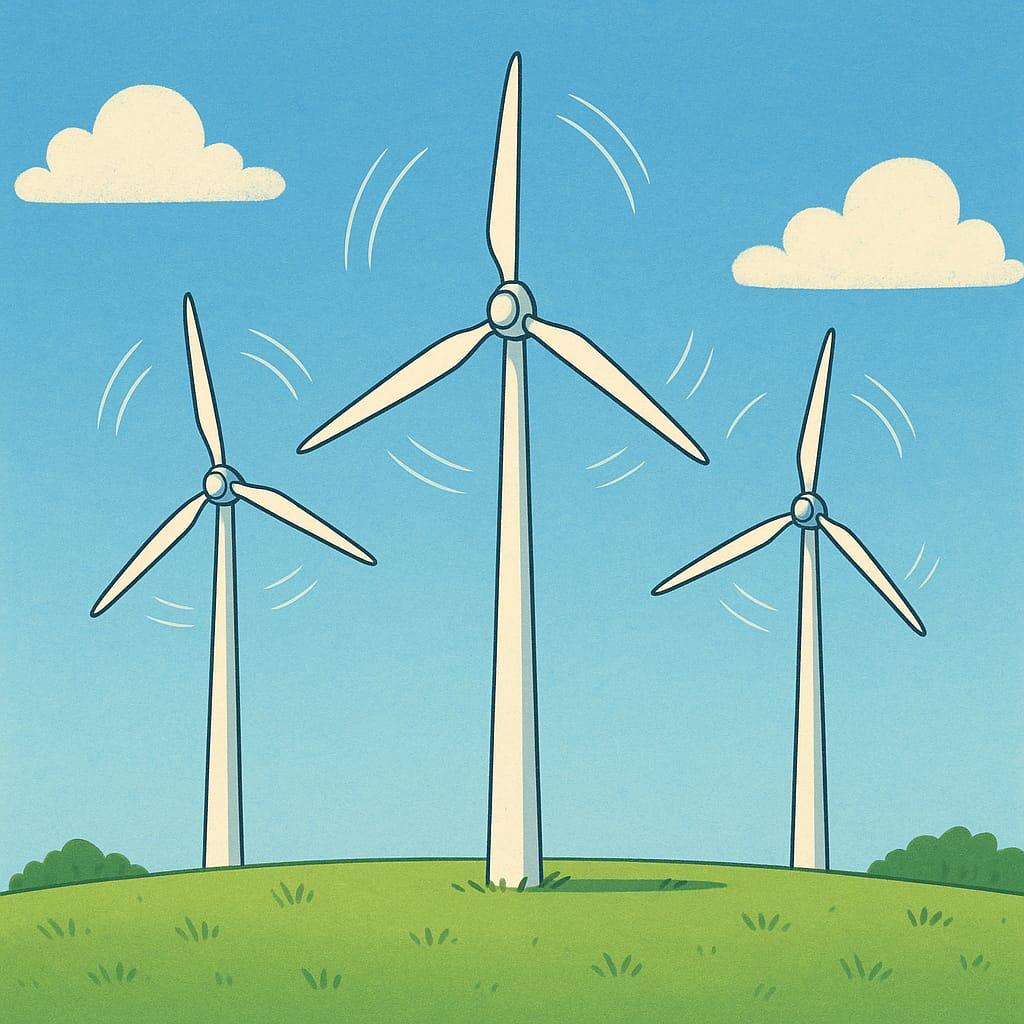
Wind turbines are large machines or devices used to generate electricity from wind energy. They capture the kinetic energy of the wind and convert it into electrical energy.
Structure of Wind Turbines
Wind turbines consist of three main components: blades, tower, and generator. The blades capture the wind and rotate. The rotating blades are connected to a generator via a shaft located in the tower. The generator converts this motion into electrical energy.
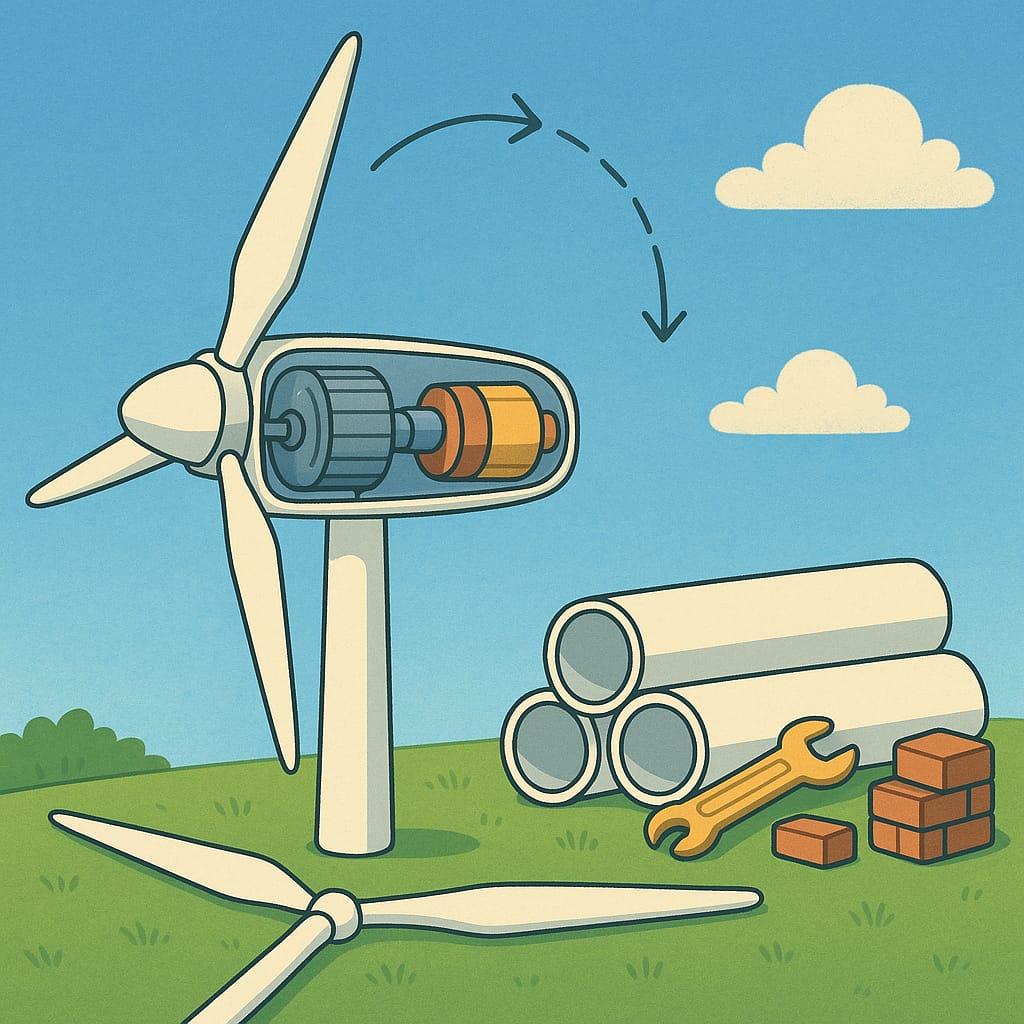
(Generated by Artificial Intelligence.)
Importance of Blades in Wind Turbines
The blades enable the turbine to capture wind energy. The length and shape of the blades affect energy efficiency. Blades are typically made from lightweight yet durable materials.
Principle of Operation
When the wind blows, the blades rotate. This rotational motion enables the generator to produce electricity. The turbine can adjust its operation based on wind speed. In cases of very strong winds, the turbine may shut down automatically.
Types of Wind Turbines
Wind turbines are classified into two types based on the axis of blade rotation: horizontal-axis and vertical-axis. Horizontal-axis turbines are more common and are typically used in wind farms.
Use of Wind Energy
The electricity generated is used in homes, schools, and factories. Wind energy is a clean source of power that does not pollute the environment.
Installation of Wind Turbines
Turbines are installed in open areas or along coastlines where wind is strong and consistent. Wind speed is measured to determine the most suitable location for installation.
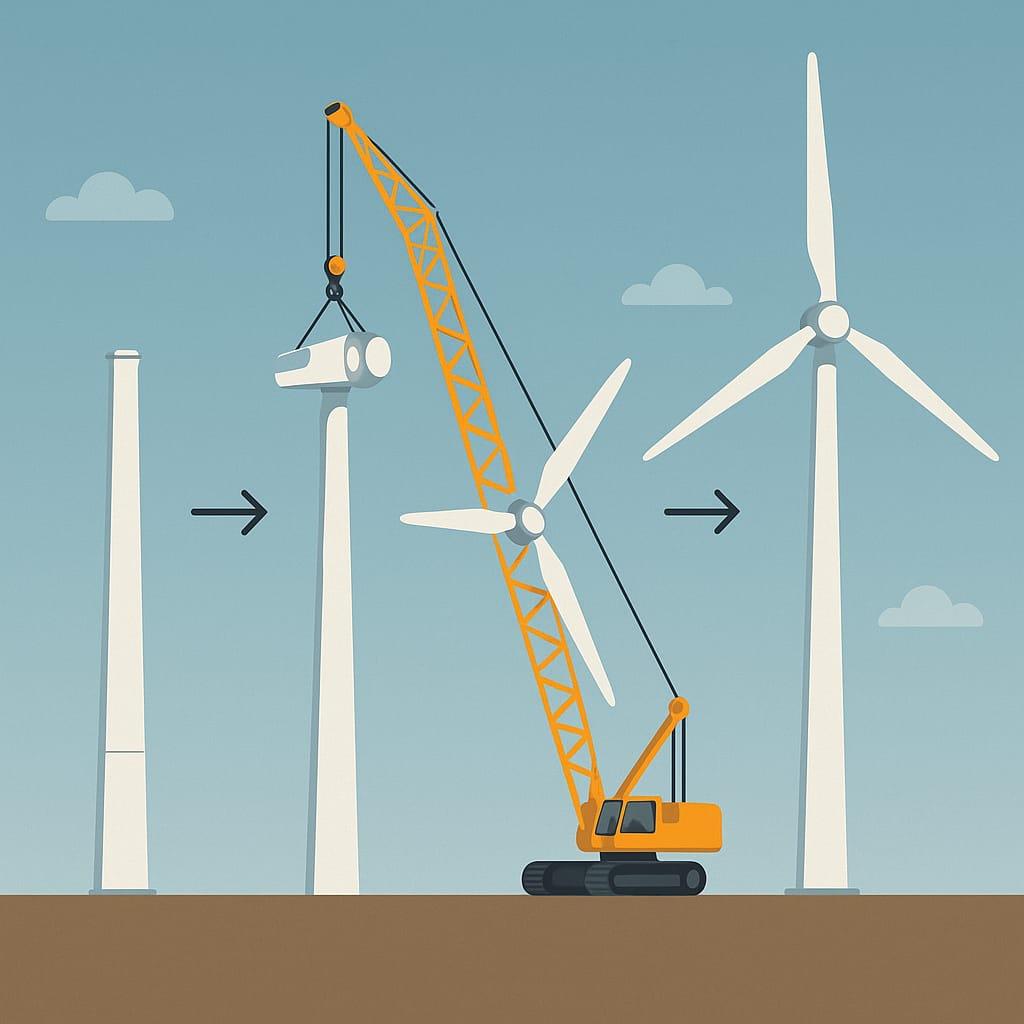
(Generated by Artificial Intelligence.)
Advantages of Wind Energy
- It is a renewable and inexhaustible source.
- It has no harmful impact on nature.
- It does not require fossil fuels for electricity generation.
Challenges of Wind Energy
- Wind can sometimes stop, so energy production is not always continuous.
- Turbines are tall and large, making installation difficult.
- Some turbines can pose a danger to birds.