



What Is a Hurricane?
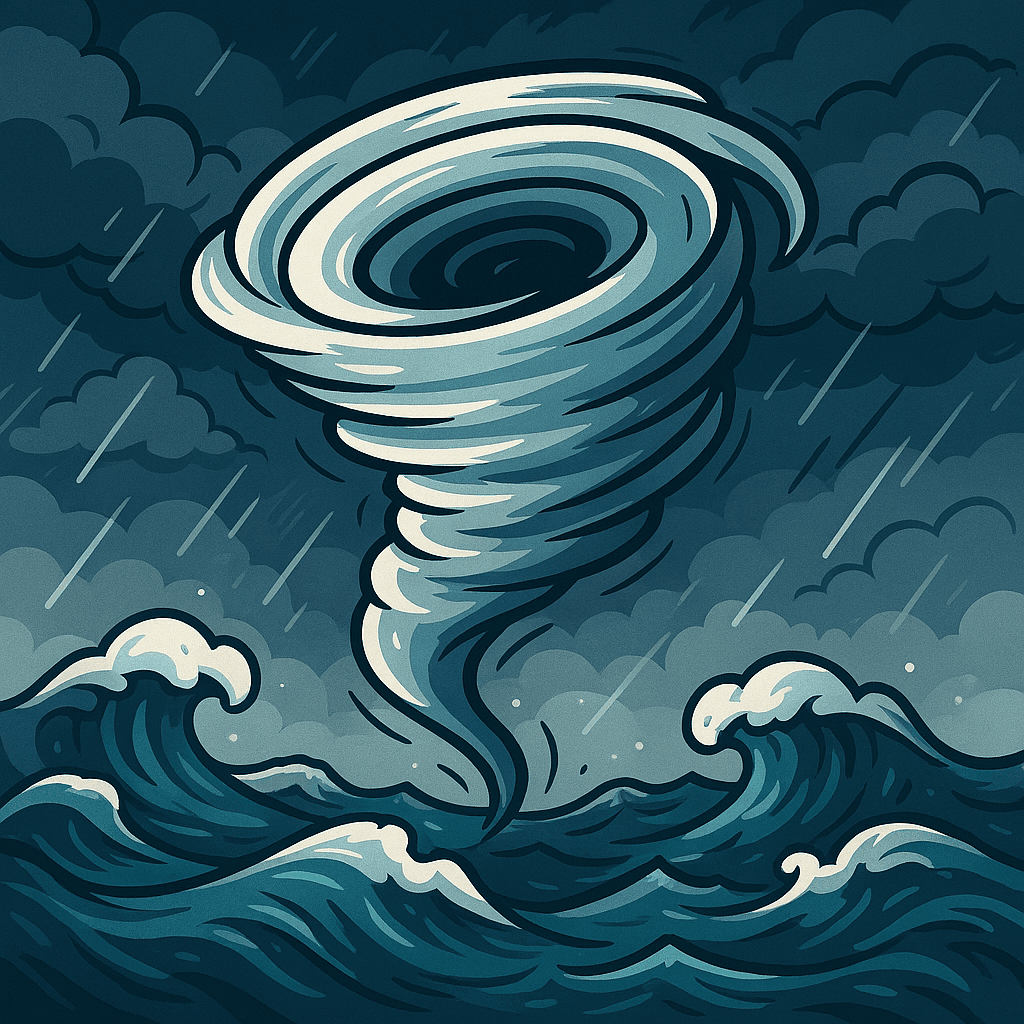
Hurricanes are large storms that form in tropical regions and produce extremely strong winds and heavy rainfall. These storms begin when warm, moist air over the ocean surface rises and rotates around a low-pressure center. Hurricane wind speeds can exceed 119 kilometers per hour and cause extensive damage.

(Generated by Artificial Intelligence.)
Conditions for Hurricane Formation
For hurricanes to form, the ocean surface temperature must be above a certain threshold. As the air above the sea surface warms, it rises and the moisture within it condenses to form clouds and raindrops. The energy released during this condensation process causes more air to rise, strengthening the hurricane.
Structure of a Hurricane
At the center of a hurricane is a calm area known as the "eye." Surrounding the eye is the "eyewall," where the strongest winds and heaviest rainfall occur. Wind speeds are lighter and rainfall is reduced at the outer edges of the hurricane.
Hurricanes and Winds
Hurricane winds are extremely powerful and can blow at speeds exceeding 119 kilometers per hour. These winds can uproot trees, damage buildings, and generate large waves over the ocean.

(Generated by Artificial Intelligence.)
Hurricanes and Rainfall
Hurricanes produce intense rainfall and can trigger sudden flash floods in coastal areas. The amount of rainfall depends on the hurricane’s strength and the characteristics of the region it passes over.
Impacts of Hurricanes
Hurricanes can damage buildings, roads, bridges, and power lines. They can also cause flooding and landslides that affect people and animals. The extent of these impacts depends on the hurricane’s size, speed, and the preparedness of the affected region.
Classification of Hurricanes
Hurricanes are categorized based on wind speed. Lower-speed hurricanes cause less damage, while higher-speed hurricanes result in widespread destruction. As the category increases, so does the hurricane’s destructive power.
Global Warming and Hurricanes
Global warming heats ocean surfaces, causing hurricanes to become stronger. This can lead to more frequent and more intense hurricanes.
Preparing for a Hurricane
It is crucial to remain vigilant during hurricane season. People should seek safe shelter and protect their homes and belongings. Advance preparation can reduce the impacts of a hurricane.

(Generated by Artificial Intelligence.)