



Climate Change
Climate refers to the weather conditions observed in a region over many years. For example, hot summers and cold winters, or heavy rainfall in certain areas, are aspects of climate. However, in recent years, the climate has been changing in ways different from its natural state. Why is this happening, and what can we do about it? Let’s find out!

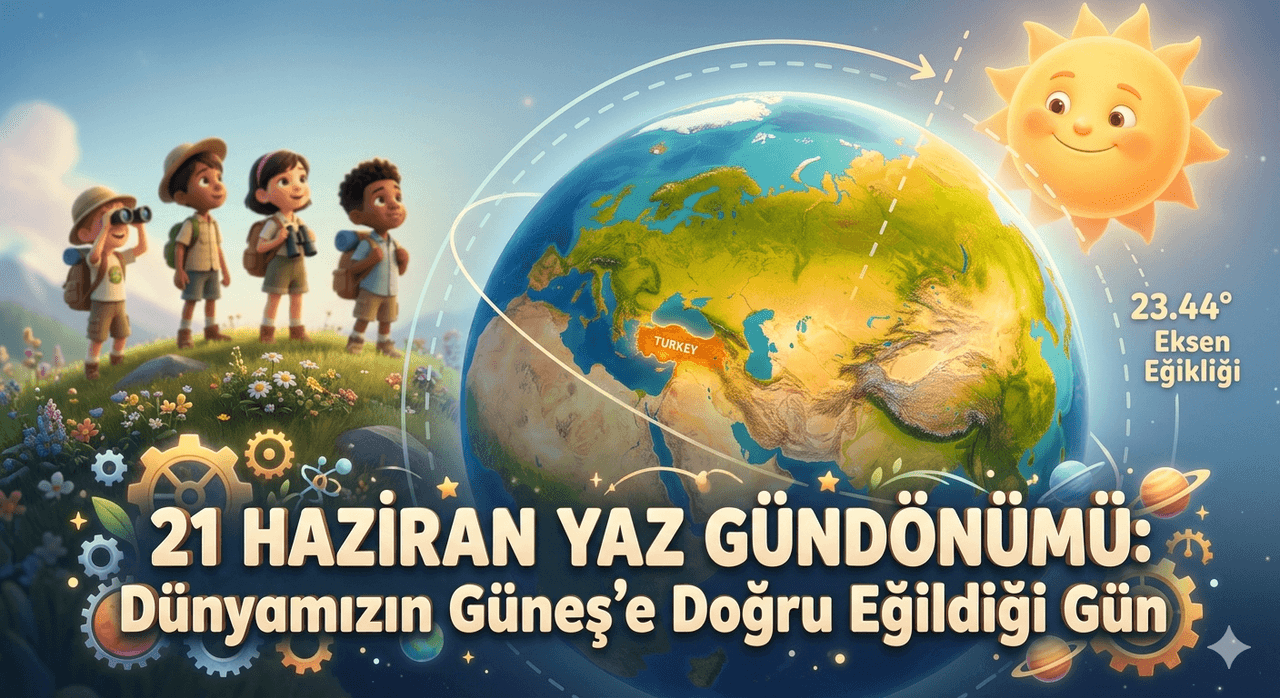
Climate Change (Generated by Artificial Intelligence)
What Causes Climate Change?
Our planet is warmed by energy from the Sun. This energy passes through the layer of air we call the atmosphere and reaches the Earth’s surface. Certain gases in the atmosphere trap this energy, keeping the Earth warm. This is known as the greenhouse effect.
The greenhouse effect makes Earth habitable, but when it becomes too strong, it causes problems.
Humans use cars, factories, and fossil fuels such as coal and oil to generate electricity. When these fuels burn, they release greenhouse gases into the air, including carbon dioxide (CO₂), methane (CH₄), and nitrous oxide (N₂O). These gases accumulate in the atmosphere, trapping more heat and raising the Earth’s temperature. This process is called global warming. Global warming is one of the main causes of climate change.
Additionally, cutting down forests (deforestation) and clearing land for agriculture also affect the climate. Forests absorb carbon dioxide and help clean the air. When they are removed, these gases build up in the atmosphere.
What Is the Ozone Layer?
Sometimes climate change is confused with ozone layerthinning of the ozone layer, but they are different things! The ozone layer acts like a shield that protects Earth from the Sun’s harmful ultraviolet (UV) rays. This layer is located in the sky, 10 to 50 kilometers above the Earth’s surface. In the past, certain chemicals, such as CFC gases used in refrigerators, damaged the ozone layer, creating a problem known as the “ozone hole,” especially over Antarctica.
But there is good news! In 1987, countries around the world agreed to reduce the use of these chemicals. As a result, the ozone layer is slowly recovering. Thinning of the ozone layer does not directly cause global warming, but it can be harmful to plants, animals, and humans.
What Does Climate Change Affect?
Climate change is affecting our planet in many ways:
- Glaciers are melting: As ice in polar regions melts, sea levels rise.
- Weather patterns are changing: Some areas experience droughts, while others face excessive rainfall or storms.
- Animals and plants are harmed: Changes in temperature cause some species to lose their habitats.
- Food and water may become scarce: Droughts make farming difficult, reducing food production.

Climate Change (Generated by Artificial Intelligence)
What Can We Do?
The good news is that each of us can take action to protect the Earth! Here are some ideas:
- Use less energy: Do not leave lights on unnecessarily; use energy-efficient light bulbs.
- Walk or cycle: For short distances, walk or ride a bicycle instead of driving a car.
- Recycle: Put plastic, paper, and glass items into recycling bins.
- Inform your surroundings: Share information about climate change with your family and friends.