




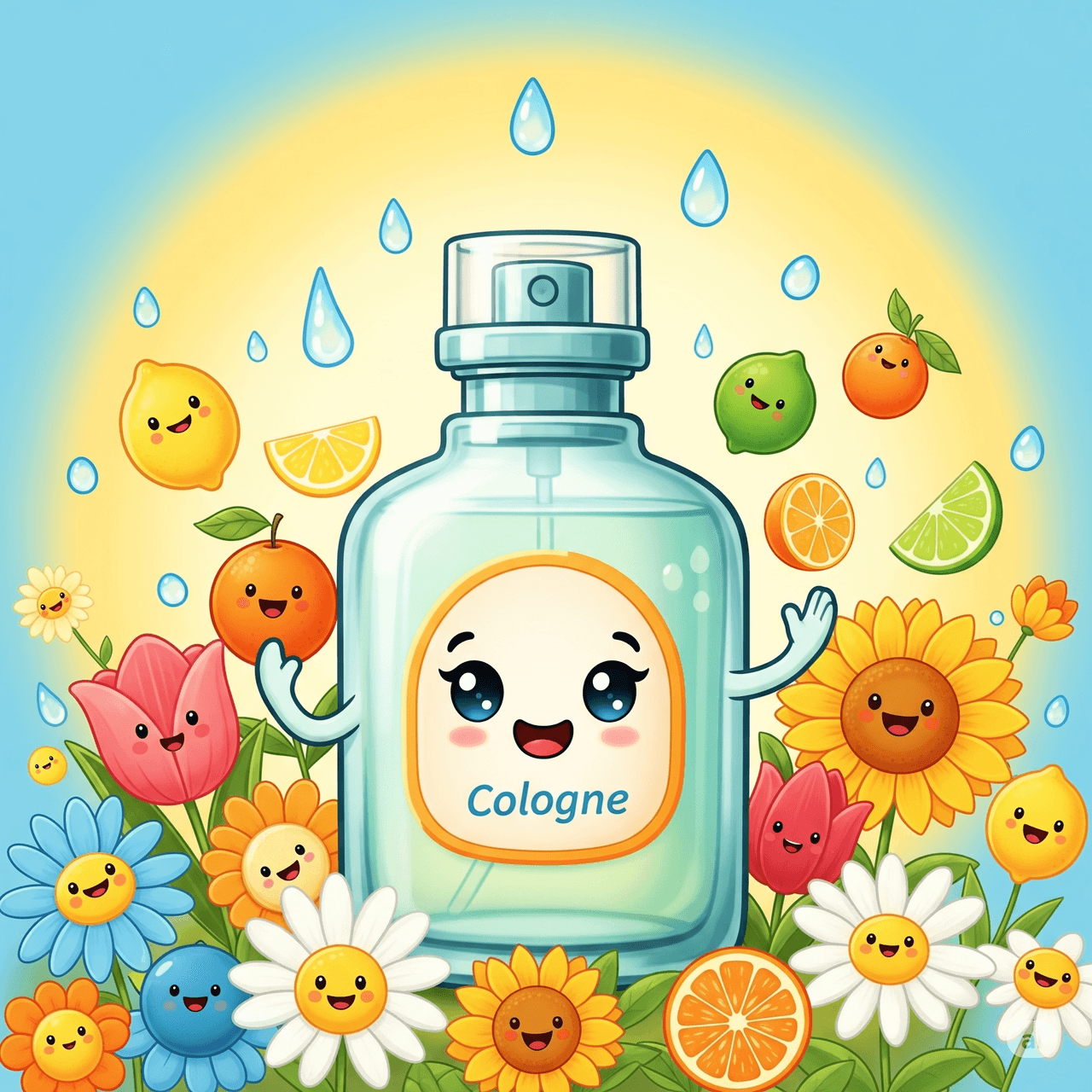
What Is Cologne?
Cologne is a specially scented liquid that eliminates germs. It typically contains ethanol, water, and essences (substances that impart pleasant fragrances). Cologne is used both for cleanliness and for fragrance.
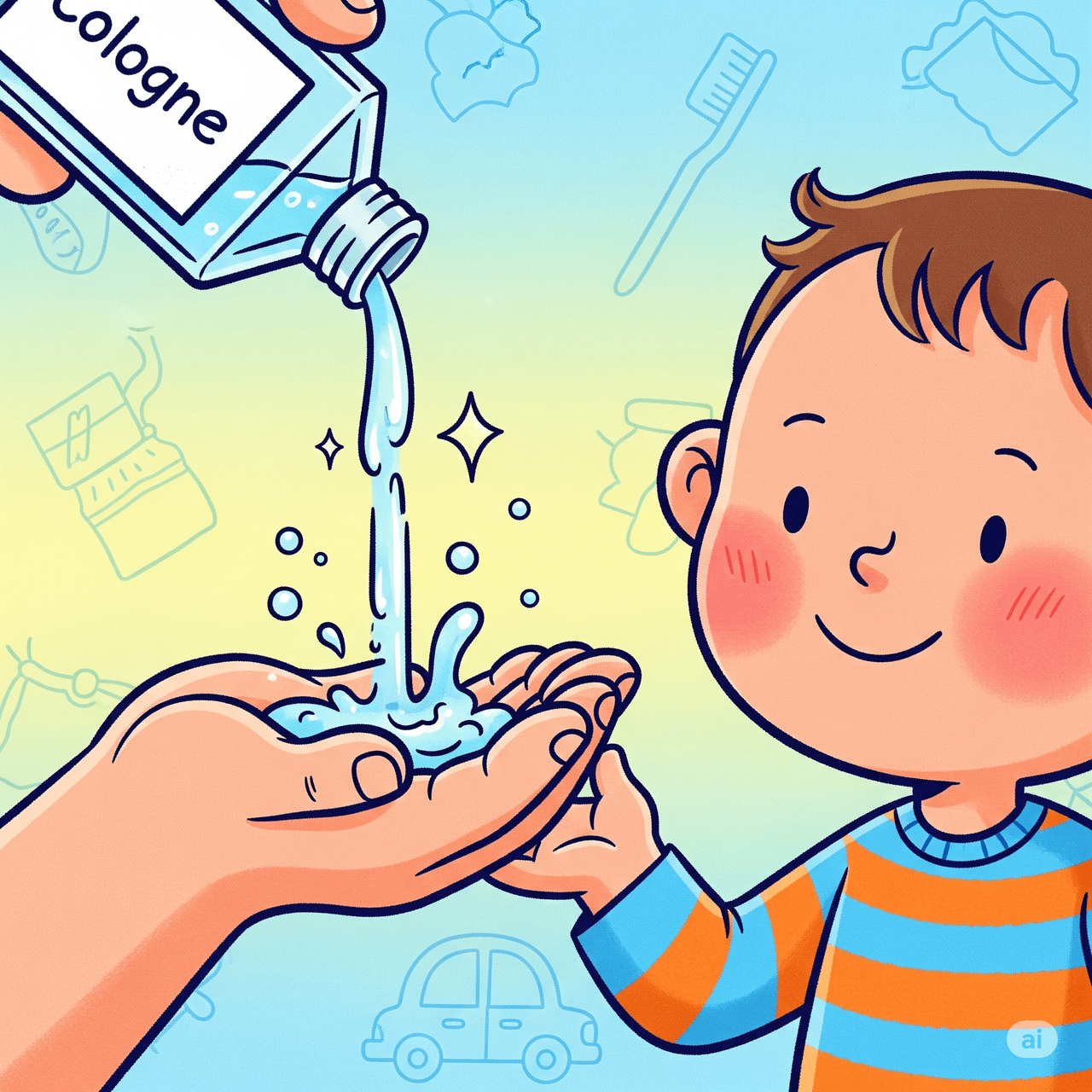
(Generated by Artificial Intelligence.)
What Does Cologne Contain?
The most important ingredient in cologne is ethanol. Because ethanol kills germs, cologne can be used as a disinfectant. In addition to water, cologne contains essences that provide scents such as lemon, lavender, and tobacco. Some colognes may also include substances like glycerin that do not dry out the skin.
What Is Cologne Used For?
- Cleaning hands- Killing germs- Offering a fragrant welcome to guests
Cologne is used for such purposes. In Türkiye, cologne is especially a symbol of hospitality. It is a tradition to offer cologne to guests upon their arrival at home.
Can Cologne Kill Germs?
Yes! If cologne contains sufficient ethanol (especially 70% or higher), it can eliminate many germs on the hands. For this reason, cologne was frequently used for cleaning during periods such as the COVID-19 pandemic.
How Is Cologne Produced?
Cologne is produced in specialized laboratories and factories. Ethanol, water, and essences are mixed in specific proportions. The mixture is then filtered, allowed to rest, and bottled for sale. The quality of the ingredients used in production directly affects the quality of the cologne.

(Generated by Artificial Intelligence.)
Historical Journey: Past and Present
The origin of cologne dates back to the 18th century, to a scented water called "Eau de Cologne" produced in the German city of Cologne. It reached Türkiye during the Ottoman period and gradually became a traditional practice. Originally used for medical purposes, cologne has today become a symbol of hygiene, pleasant fragrance, and hospitality.
Cologne Culture in Türkiye
Türkiye holds a significant place in the world regarding cologne production and use. Lemon cologne is the most well-known variety. Offering cologne during holidays, weddings, and visits to the sick is a widespread custom. At the same time, cologne is also known in Türkiye as a "domestic disinfectant."
Why Is It a Special Cultural Value?
Cologne is not merely a cleaning product; it is also a cultural symbol. In Turkish society, offering cologne to guests is the first step in welcoming them and represents the beginning of politeness and pleasant conversation. This tradition has made cologne an inseparable part of daily life.