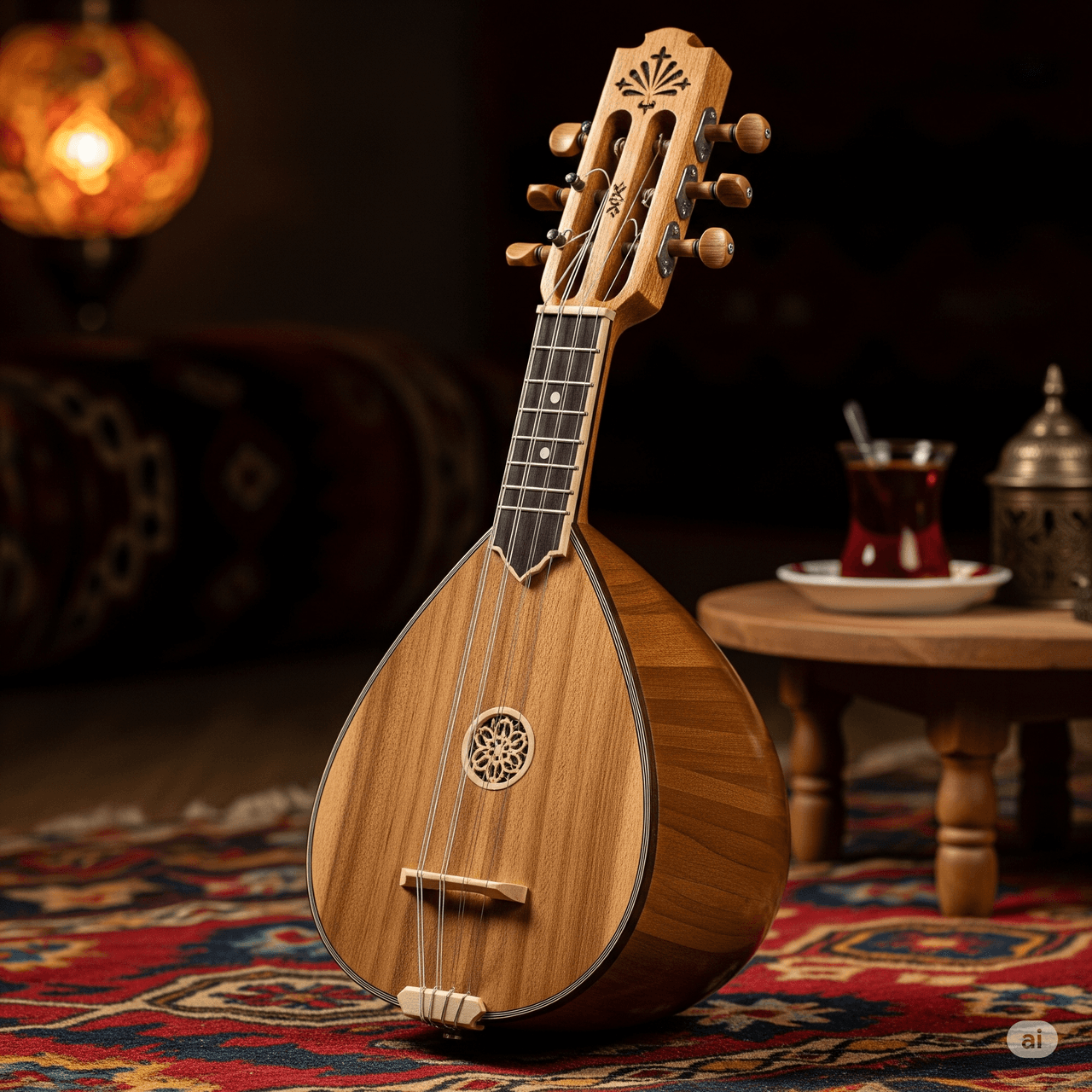




What is Cura?
Cura is a small, stringed instrument used in Turkish folk music. It typically has three or four strings and is played with the fingers or a plectrum. Its tone is finer and higher compared to larger saz instruments. The cura is widely used both in solo performances and ensemble music.
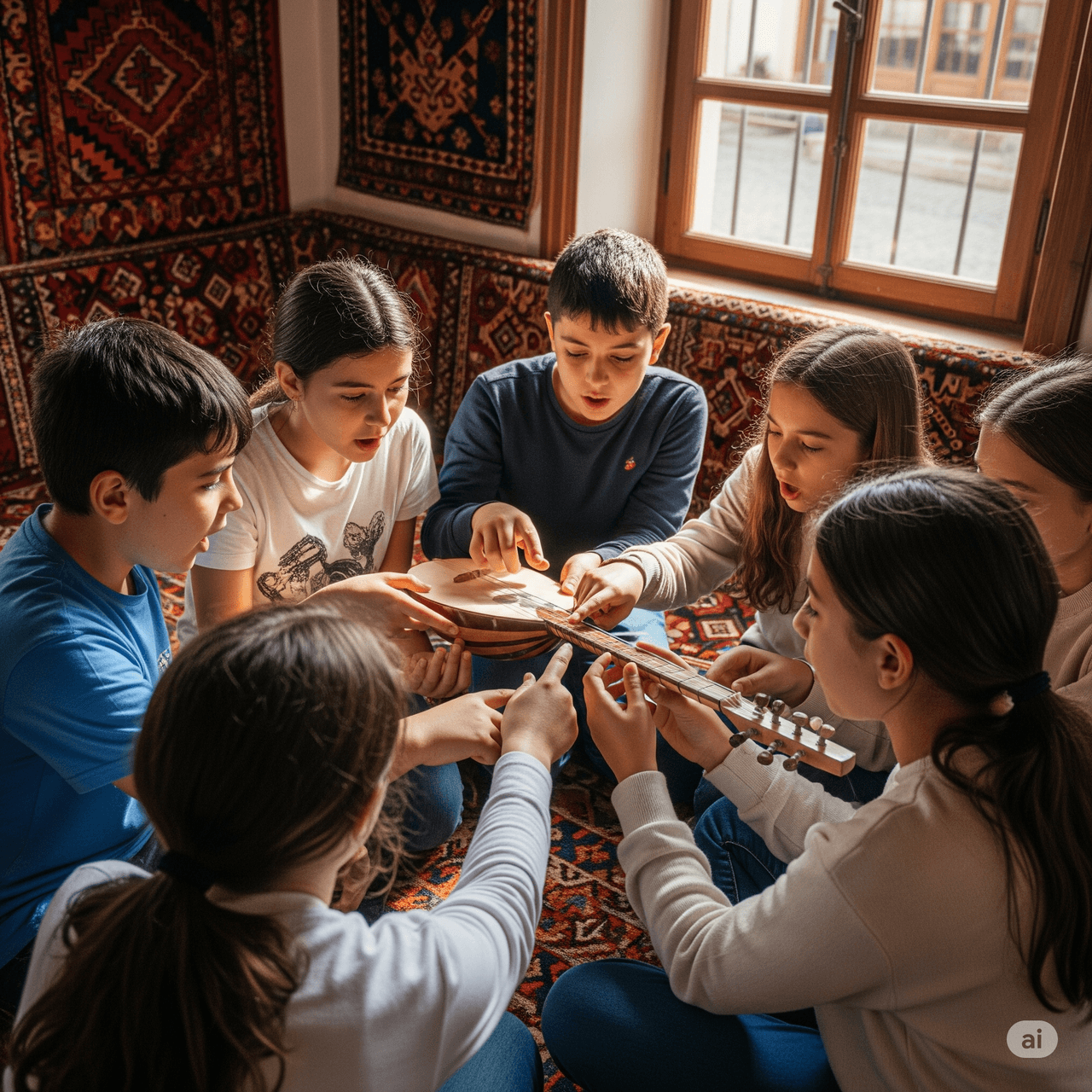
(Generated by Artificial Intelligence.)
History and Cultural Significance
The cura has been part of Turkish culture for centuries. It is commonly played alongside folk songs and ballads. Within the âşıklık tradition, it is an indispensable instrument for expressing the emotions and stories of the âşıks. The performance and transmission of the İkitelli Cura (Ruzba), through masters such as Âşık Nesimi Çimen, have been preserved to the present day.
Structure and Characteristics
The cura is typically made of wood and consists of a neck, body, and strings. Its small size makes it easy to carry. The strings may be made of copper or steel and are produced in varying thicknesses. Decorative carving and embellishment techniques give it an aesthetically pleasing appearance.
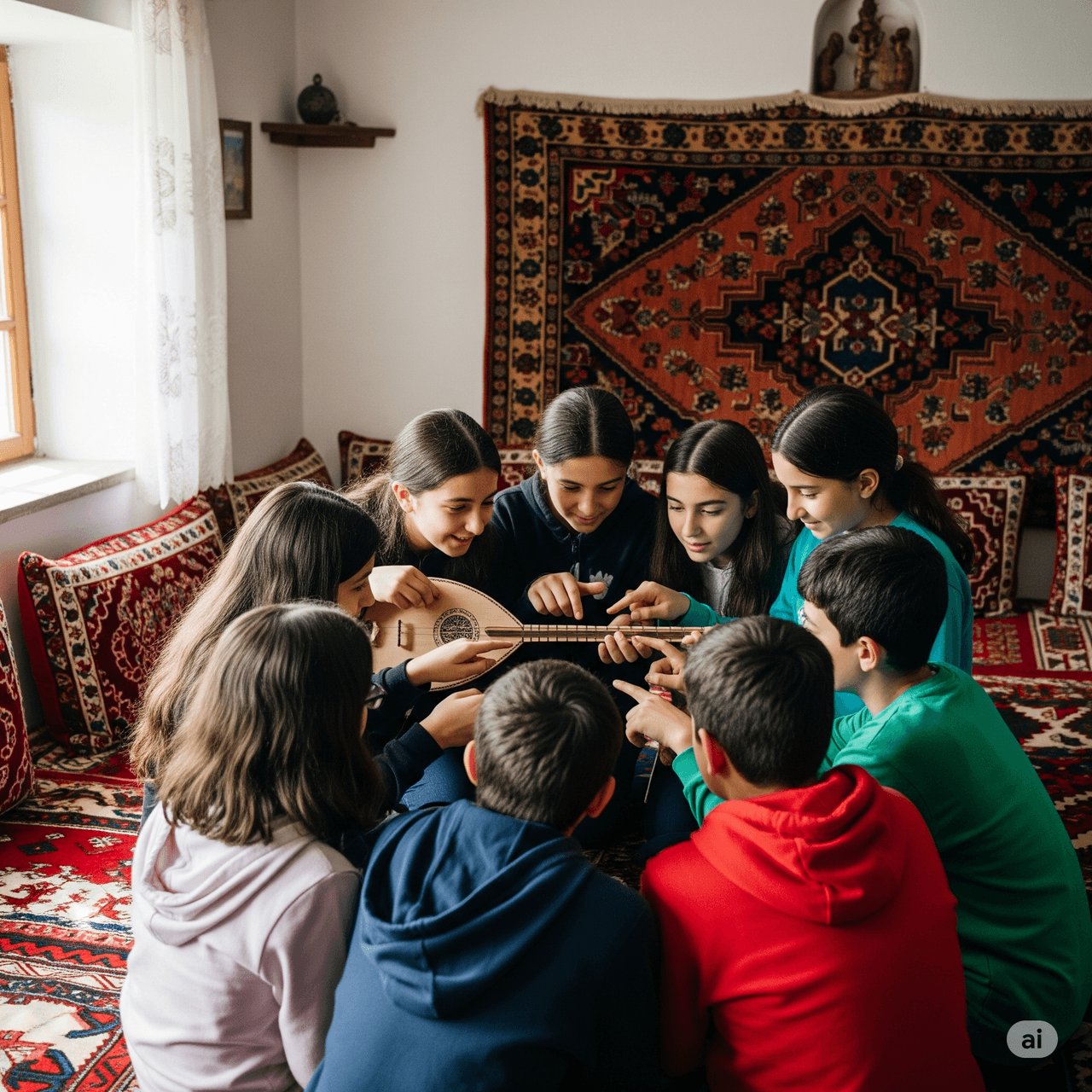
(Generated by Artificial Intelligence.)
How Is It Played?
The cura is played either with the fingers or a plectrum. Melody and rhythm, whether in solo or group performances, add color and expression to the music. The player produces different tones and transitions through finger movements.
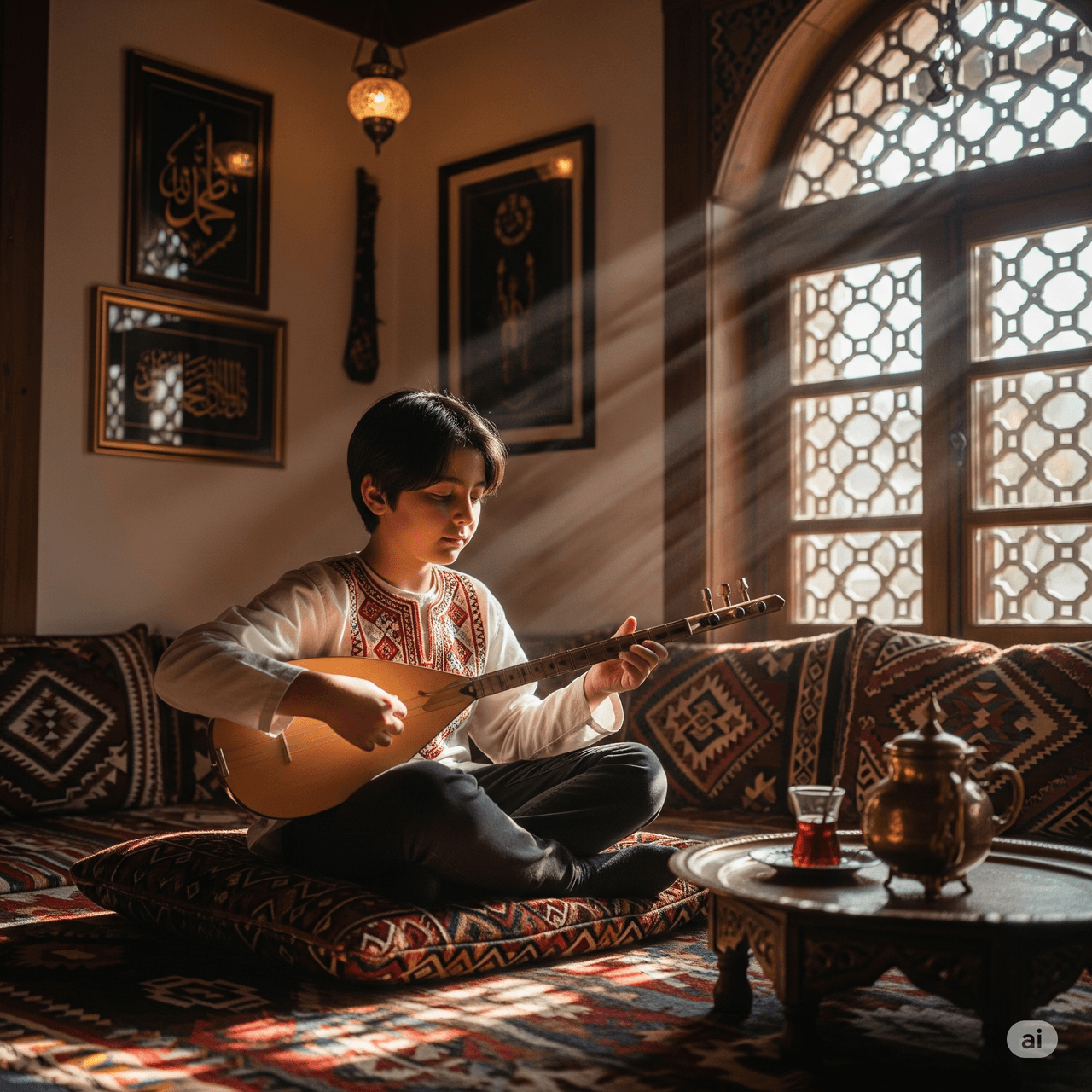
(Generated by Artificial Intelligence.)
Characteristics of the Cura
The cura is portable and highly popular among young people. It is one of the indispensable instruments of Turkish folk music. Its sound is soft and cheerful, bringing joy to listeners. The cura is an important part of our cultural heritage and continues to be passed on to future generations. It is a unique musical instrument that appeals to people of all ages.
Educational and Cultural Contribution
Playing the cura helps children develop their sense of rhythm and manual dexterity. It also contributes to the preservation of cultural heritage and raises awareness of folk music.