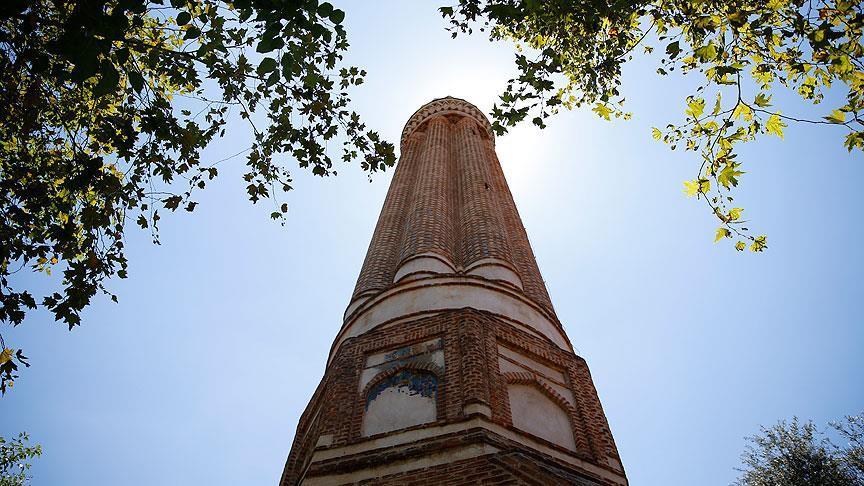




Yivli Minare Camii - Antalya
The Yivli Minare Camii is a highly significant structure located in the historic Kaleiçi district of Antalya, a beautiful city in southern Türkiye, near the sea. This mosque is regarded as both a historical and cultural symbol due to its unusual minaret shape and architectural design. Its history provides a valuable starting point for those seeking to trace the Turkish presence in Anatolia.
Time Travel: The Seljuk Era
The history of the Yivli Minare Camii dates back approximately 800 years to the period of the Anatolian Seljuk State. It is believed to have been constructed under the orders of Sultan I. Alaeddin Keykubad. The mosque was originally built on the site of a Byzantine-era church.

Yivli Minare Camii (Culture Portal)
Where Is the Mosque Located?
The Yivli Minare Camii is situated in Kaleiçi, Antalya’s oldest settlement area, near İskele Caddesi. This location ensured that the structure was easily visible to those arriving by sea, effectively serving as a landmark. The minaret itself can be seen from many parts of the city and is one of Antalya’s most prominent symbols.
What Is the Shape of the Minaret?
The minaret, which gives the mosque its name, is its most striking feature. It is covered vertically from base to top with longitudinal grooves known as “yivler.” Have you ever eaten a ribbed chocolate bar or seen a ribbed loaf of bread? A “yiv” refers to regular raised lines on a surface. In this minaret, there are exactly eight such grooves, resembling the slices of an eight-piece cake. The minaret is constructed from bricks decorated with turquoise and navy-blue tiles and stands approximately 38 meters high.

Yivli Minare Camii (Culture Portal)
What Are the Architectural Features of the Mosque?
The main prayer hall of the mosque is considered the oldest surviving example in Anatolia of the multi-domed mosque type. The mosque’s roof is covered by six domes, a feature that exemplifies the distinctiveness and strength of Seljuk architecture. The interior features a simple yet powerful structure, adorned with a stone-carved mihrab (the niche indicating the direction of prayer).