

 Recently Added:
This article was automatically translated from the original Turkish version.
In the summer of 2026, Europe faced one of the most intense and widespread heatwaves ever recorded in its modern meteorological history. The heatwave, which began in the second half of June and persisted into July, affected large parts of Western, Central and Southern Europe, breaking June temperature records in many countries. In numerous countries including France, Germany, Italy, Austria, Belgium, Denmark, Poland and the Czech Republic, air temperatures exceeded 40 °C, with some regions recording values approaching or surpassing 42 °C.【1】
The World Meteorological Organization (WMO) noted that Europe is warming at approximately twice the global average rate, while the World Health Organization (WHO) highlighted the impact of the heatwave on public health. Experts identified one of the primary causes as a persistent high-pressure system over Europe that generated a "heat dome." This meteorological structure trapped hot air in the atmosphere, prevented cloud formation and allowed sunlight to heat the surface more intensely. Scientists also assessed that human-induced climate change has significantly increased the likelihood of such an extreme heat event.
The heatwave was not limited to high temperatures alone; it had widespread effects on health systems, energy production, transportation infrastructure, agriculture, water resources and daily life. In many countries schools were closed, sports and cultural events were canceled, railway services experienced disruptions, power grids were strained by high demand and the risk of forest fires reached unprecedented levels. Particularly high nighttime temperatures prevented the human body from cooling down, exacerbating heat-related health problems.
The 2026 European heatwave is considered one of the most severe events in recent years, not only meteorologically but also in terms of public health. WHO Director-General Tedros Adhanom Ghebreyesus announced that from 21 June onwards, more than 1,300 excess deaths linked to extreme heat were recorded across Europe. Tedros described heat stress as a "silent killer" and emphasized that homes, workplaces and schools across Europe were not designed to withstand such temperatures.【2】
The heaviest toll was recorded in France. French health authorities reported that within just a few days, approximately 1,000 excess deaths occurred nationwide, warning that this number could rise further with data from nursing homes and private residences. The majority of deaths occurred among individuals aged 65 and older.
In addition, many people seeking relief from the heat drowned in rivers, lakes and reservoirs. In France alone, 74 drowning incidents were recorded. Across Europe, hundreds of people lost their lives due to heatstroke, cardiovascular diseases and drowning.
France was among the countries most severely affected by the 2026 heatwave. From the second half of June, temperatures rose rapidly across the country, with Paris and the Île-de-France region experiencing extraordinary heat. The French Meteorological Agency, Météo-France, issued red alerts for 37 departments including Paris and orange alerts for 48 others, forecasting temperatures reaching 42 °C in some areas.【3】 During the same period, orange alerts were also issued for 34 departments due to the risk of severe storms.
Extreme heat placed severe pressure on the health system. In the Île-de-France region, which includes Paris, approximately 3,000 people visited hospitals within just 24 hours, a 36 percent increase compared to normal daily figures.【4】
An emergency plan was activated in hospitals around Paris; staff on leave were recalled, bed capacity was expanded and non-urgent surgeries were postponed. The Ministry of Health allocated an additional 100 million euros for hospital cooling systems and advised public and private hospitals to accelerate purchases of air conditioners and fans. The Prime Minister’s office ordered 30,000 air conditioners for hospitals nationwide.
The heatwave significantly increased mortality rates in France. French health authorities reported that within just a few days, approximately 1,000 excess deaths occurred across the country.
In Paris alone, 109 people died in a single day due to heat-related causes. This figure included only deaths occurring in homes and public spaces and did not account for fatalities in hospitals and nursing homes. Under normal conditions, the average daily death toll in Paris during this period is approximately seven. On the same day, 30 people in Paris suffered heart attacks, and one patient admitted with hyperthermia was recorded with a body temperature of 43.7 °C.
The surge in deaths also strained funeral services. The French National Federation of Funeral Services announced that two funeral homes in Paris had reached full capacity.
Federation spokesperson Gautier Caton noted severe pressure in Paris, Île-de-France, Lille and Centre-Val de Loire, advising families to transport deceased relatives to facilities in more distant cities. Authorities considered the possibility of reactivating temporary morgue facilities, as was done during the COVID-19 pandemic, if deaths continued to rise.
The number of drowning incidents rose sharply as citizens sought relief from the heat in rivers, reservoirs and lakes.
French Interior Minister Laurent Nuñez announced that from 18 June onwards, 74 people drowned, most of them aged between 15 and 25.【5】 Most fatalities occurred in unmonitored waters, and many cases involved sudden cardiac events.
Education and transportation activities were also significantly affected by the heat.
In the town of Rueil-Malmaison, students were forced to take their French oral exams in an open parking lot instead of inside the school building. A high-speed train traveling between Paris and Nice was stranded in a tunnel for about an hour due to technical failure; many passengers fainted because air conditioning units in some carriages failed. Passengers arrived at their destinations approximately six hours late.
One of the most notable responses to the heat in France was the use of thermal blankets. Normally used by emergency responders, these blankets were placed on windows of schools, hospitals and homes to reflect sunlight. This practice became widespread in public and private hospitals and schools without air conditioning, leading to shortages of thermal blankets in pharmacies. Many people without air conditioning at home opted to spend nights in hotels.
The French government implemented various emergency measures during the heatwave. Some sports and cultural activities were banned, crisis plans were activated in health institutions and additional resources were allocated to hospital cooling infrastructure.
The opposition Green Party proposed granting workers five paid days of "climate leave" per year to respond to extreme heat, floods and forest fires. The party emphasized that over 200,000 people have died in Europe due to heatwaves in the past four years and argued that the workforce must adapt to the climate crisis.
Germany was one of the countries most severely affected by the 2026 European heatwave. Due to a strong high-pressure system over Europe, temperatures in much of the country rose approximately 15 °C above normal seasonal levels during the final week of June. In particular, temperatures in western, southwestern and eastern states exceeded 40 °C, and numerous national temperature records were broken. The German Meteorological Service (DWD) described the heatwave as one of the most severe meteorological events in recent years.
In the following days, Germany experienced its three hottest days in recorded history in succession. At the Coschen station near the Polish border in the state of Brandenburg, a temperature of 41.7 °C was recorded, becoming the highest temperature ever documented in German history. These record highs were considered among the most intense impacts of the heatwave as it moved eastward across Europe.
The German Meteorological Service explained that the heatwave resulted from a prolonged high-pressure system over Europe. A trapped mass of hot air in the atmosphere prevented cloud formation, allowing continuous solar radiation to heat the Earth’s surface to extraordinary levels.
Scientists have noted that extreme heat events in Europe have become significantly more intense due to climate change and are occurring with increasing frequency. The WHO also emphasized that Europe is warming at approximately twice the global average rate, stating that such heatwaves are no longer exceptional events.
German health authorities and the DWD issued high-level warnings for the elderly, chronically ill, children and pregnant women. The public was advised to avoid unnecessary outdoor exposure, drink plenty of fluids, limit physical activity to early morning or evening hours and avoid prolonged direct sunlight.
Authorities also urged regular checks on elderly people living alone and raised public awareness about the symptoms of heatstroke. Many municipalities distributed free drinking water and established temporary cooling centers in city centers.
The heatwave significantly increased the risk of forest fires in Germany. The German Meteorological Service declared the highest fire risk level in the country’s eastern states.
Authorities urged citizens not to light fires in forested areas, avoid discarding cigarette butts and refrain from parking vehicles on dry grass. Due to drought, fire monitoring teams were deployed in many regions and firefighting units were placed on alert.
Extreme heat negatively affected Germany’s transportation infrastructure. Deutsche Bahn, Germany’s national railway company, warned of possible delays and schedule changes on many lines due to potential thermal deformation of rails.
The company urged passengers to check train information before traveling and offered free cancellations and date changes for tickets purchased on specific dates.
Train services were reduced on major rail lines in the state of North Rhine-Westphalia, and portions of tram services in the city of Leipzig were temporarily suspended.【6】 Extreme temperatures caused rail expansion that directly disrupted transportation planning.
Local governments implemented various measures to mitigate the effects of the heatwave. The city of Cologne activated water-spraying systems in parks and public squares and increased the number of free drinking water stations. Other major cities created temporary shaded areas and opened cooling centers in public buildings to help residents cool down.
Extreme heat also affected sporting activities. The course of the Ironman Europe Championship in Frankfurt was shortened to protect athletes’ health.
Organizers deployed additional water stations and medical teams along the race route and ensured continuous monitoring of competitors for signs of heatstroke.
As more people turned to lakes and rivers to cool down, rescue organizations issued warnings. They emphasized the serious risks of swimming in fast-flowing rivers and unmonitored waters, noting that drowning incidents rose markedly during heatwaves.
Meteorologists predicted localized intense thunderstorms, hail and brief storms in western and southwestern Germany following the heatwave. However, they stressed that these rains would only cause limited temperature reductions and that the heatwave’s effects would not fully subside.
The 2026 heatwave also led to historic temperature records in Austria. In particular, eastern regions and the capital Vienna experienced temperatures approaching 40 °C for extended periods, and the Austrian Meteorological Institute confirmed that all-time June temperature records were broken.
The previous June record of 38.6 °C, set in 2013, was surpassed during the 2026 heatwave with a reading of 39.1 °C. Meteorologists assessed that if the heatwave persisted, Austria’s absolute temperature record of 40.5 °C, recorded in August, could also be broken.
Vienna, the capital, was among the cities most affected by the heatwave. The municipal administration implemented comprehensive measures to protect the elderly, chronically ill, homeless and low-income residents.
Twenty different free "cooling centers" were established across the city. These centers, maintained at temperatures between 20 and 24 °C with air conditioning, provided free drinking water, seating areas and internet access.
The Vienna City Council installed new public drinking fountains and activated water-spraying systems in squares and densely populated pedestrian zones.
These measures were particularly expanded in neighborhoods with high elderly populations, and municipal teams conducted public awareness campaigns targeting at-risk groups.
The 2026 European heatwave caused record temperatures in Italy, one of the European countries most affected in Southern Europe. The heatwave, which affected a vast area from northern to southern Italy during the final week of June, negatively impacted life especially in the Alpine region, the Po Valley, Rome and the island of Sardinia. Daytime temperatures exceeded 40 °C, and unusually high nighttime temperatures significantly increased health risks.
Meteorologists reported that during the peak of the heatwave, temperatures on the island of Sardinia reached 40–41 °C, while in the Turin and Trentino regions they reached 39 °C. Temperatures in the Valle d’Aosta region rose to 37 °C.
In the northern Italian city of Bolzano, the heatwave pushed not only daytime but also nighttime temperatures to historic levels.
The hottest June night since meteorological records began in 1956 was recorded. In Bolzano, temperatures did not drop below 25.4 °C throughout the night, surpassing the previous record of 24.2 °C set in 2005.
Experts noted that high nighttime temperatures prevent the human body from cooling down and significantly increase the risk of heatstroke, especially among the elderly and those with chronic illnesses.
The Italian Ministry of Health raised the risk level to the highest category: red alert. Red alerts were maintained for 18 cities: Rome, Milan, Turin, Bologna, Florence, Venice, Verona, Genoa, Bari, Perugia, Pescara, Bolzano, Brescia, Ancona, Latina, Frosinone, Rieti and Viterbo.
Authorities urged citizens to avoid going outdoors between 11:00 and 18:00, avoid direct sunlight and drink plenty of fluids. The Ministry continuously provided updates via its website and social media accounts.
The heatwave negatively affected not only human health but also agricultural production. The flow of the Po River, Italy’s largest river, decreased significantly, and seawater advanced inland by approximately 18 kilometers.
This situation posed a serious risk to agricultural lands and wetland ecosystems in the Po Delta. Experts assessed that saltwater intrusion could have long-term negative effects on agricultural productivity.
During the heatwave, especially on weekends, thousands of people headed to beaches in Naples and other coastal towns to cool off. In response, health authorities warned that even swimming in the sea during peak sunlight hours carried risks and urged the public to stay in the shade and increase fluid intake.
Belgium was also significantly affected by the 2026 European heatwave. In the capital Brussels, temperatures reached 35 °C, with some regions recording values approaching 40 °C.
The Royal Meteorological Institute of Belgium (IRM) issued the highest-level red heat warning for the provinces of Liège and Limburg. Citizens were advised to be cautious as nighttime temperatures remained above 20 °C.
Following the heatwave, the expected severe thunderstorms and winds reaching up to 80 km/h led to the cancellation of the Couleur Cafe Festival in Brussels.
The festival organizers suspended the concert program, evacuated the event area and cleared camping grounds for safety reasons. This decision became one of the most visible examples of the heatwave’s impact on cultural events.
The Brussels Environment Agency temporarily closed parks, forests and natural areas under its management due to anticipated adverse weather conditions.
Authorities noted that sudden storms following extreme heat could increase risks of falling trees and other safety hazards.
Extreme heat caused damage to Belgium’s transportation system.
Near Brussels Midi Train Station, swelling occurred in the asphalt surface supporting tram tracks. Initial assessments indicated that thermal expansion of the rails caused deformation of the asphalt.
Authorities closed the affected area for safety and initiated a technical investigation to determine the exact cause.
Meteorologists predicted thunderstorms would affect the country over the weekend but noted that the heatwave’s effects would persist until the following week.
The 2026 heatwave led to historic temperature records in Denmark, a northern European country.
The Danish Meteorological Institute (DMI) announced that a temperature of 37 °C recorded in Odense was the highest ever measured in the country since meteorological records began in 1874.
This value became the highest temperature ever recorded in Denmark’s modern climate history.
According to national meteorological records, the previous national temperature record was 36.4 °C, recorded in Holstebro in 1975. The previous June record was 35.5 °C, recorded in 1947.
The 37 °C reading during the 2026 heatwave surpassed all previous national and June temperature records.
Meteorologists reported that after the heatwave, Denmark experienced intense rainfall and strong winds in some regions.
Experts noted that energy accumulated in the atmosphere due to prolonged heat was released in sudden downpours and strong winds, warning citizens about flood and storm risks.
As the 2026 European heatwave moved eastward into Central Europe, Poland became one of the countries most severely affected by extreme heat. In the final days of June, temperatures reached historic levels nationwide, with new national records broken especially in western regions.
According to data released by the Polish Institute of Meteorology and Water Management (IMGW), a temperature of 40.5 °C was recorded in the town of Słubice near the German border, becoming the highest temperature ever recorded in Polish history.
Meteorologists noted that these unprecedented temperatures resulted from the eastward-moving heatwave. The heatwave raised both daytime and nighttime temperatures to extraordinary levels across Poland.
Authorities issued warnings urging the elderly, children and those with chronic illnesses to avoid going outdoors during the hottest hours of the day.
Local governments established cooling centers, while health institutions informed the public about heatstroke, dehydration and cardiovascular risks. Emergency preparedness measures were enhanced in public institutions and health centers.
The 2026 heatwave led to historic temperatures in the Czech Republic. The Czech Hydrometeorological Institute (CHMI) reported a temperature of 41.1 °C recorded at the Doksany meteorological station in northern Czechia.
This value led to two consecutive daily temperature records being broken and ranked among the highest temperatures ever recorded in Czech meteorological history. Experts indicated that the heatwave had reached its peak and announced that thunderstorms were expected to begin in western regions.
High temperatures caused a significant increase in ground-level ozone concentrations. Czech authorities issued smog (ozone) alerts, particularly in central and northern regions, urging citizens to limit physical activity and avoid prolonged exposure outdoors.
Experts stated that the combination of extreme heat and high ozone levels poses serious health risks, especially for those with respiratory and cardiovascular diseases.
The 2026 heatwave significantly disrupted daily life in the Netherlands.
One of the country’s largest open-air music festivals, the Defqon.1 Festival, was canceled following a red alert issued due to extreme heat.
Authorities canceled the festival, which was expected to draw thousands of attendees, due to the serious health risks posed by high temperatures. This decision became one of the largest event cancellations in Europe due to the heatwave.
Extreme heat directly affected railway infrastructure across Europe.
In many countries including France, Germany and Belgium, thermal expansion of rails caused delays and speed restrictions on certain lines.
In Germany, Deutsche Bahn warned passengers of rail deformations. In Belgium, swelling occurred in the asphalt beneath tram tracks. In France, technical failures caused long delays on high-speed train services.
Increased use of air conditioning due to extreme heat significantly raised electricity demand. Many European power grids were strained by high demand, and some areas experienced blackouts. In France, approximately 36,000 households lost power following severe storms. Experts assessed that heatwaves are increasing pressure on energy systems every year.
The heatwave also affected energy production facilities in Europe.
According to Reuters, Hungary’s Paks Nuclear Power Plant reduced electricity generation because rising water temperatures in the Danube River, used for reactor cooling, impaired its efficiency.
Experts noted that both reduced river flow and increased water temperature pose significant operational risks for nuclear power plants.
The heatwave caused water levels to drop in major European rivers. In particular, the flow of Italy’s Po River decreased significantly, and seawater advanced inland by approximately 18 kilometers.
This situation created severe pressure on agricultural irrigation, drinking water supplies and wetland ecosystems. Experts noted similar risks were being observed in other major European rivers.
Prolonged high temperatures and drought negatively affected agricultural production in many regions. Reduced soil moisture, increased irrigation needs and declining water resources heightened the risk of yield losses in cereal crops and vegetable and fruit cultivation. Agricultural experts stated that heatwaves are becoming an increasingly critical threat to Europe’s food security.
One of the primary causes of the 2026 European heatwave was a meteorological phenomenon known as a "heat dome". A heat dome occurs when a strong high-pressure system in the upper atmosphere traps hot air over a wide area like a dome.
Within this system, sinking air compresses and heats further, while reduced humidity prevents cloud formation. The absence of clouds allows sunlight to directly heat the Earth’s surface throughout the day, causing temperatures to rise progressively. Experts identified this prolonged high-pressure system as the main meteorological cause of the extraordinary temperatures observed in Europe in 2026.
The World Meteorological Organization (WMO), the World Health Organization (WHO) and numerous climate scientists assessed that the 2026 European heatwave clearly demonstrated the impacts of climate change.
WHO Director-General Tedros Adhanom Ghebreyesus noted that Europe is the fastest-warming continent on Earth and is warming at approximately twice the global average rate.
Scientists stated that heatwaves once considered "once-in-a-generation" events are now occurring almost annually. They emphasized that without human-induced global warming, the occurrence of a heatwave of this magnitude in 2026 would have been extremely unlikely. Scientific assessments further indicated that the extraordinary high nighttime temperatures during this heatwave became approximately 100 times more likely due to human-caused climate change.【7】
Anadolu Ajansı. "Avrupa'da sıcak hava dalgası etkisini sürdürüyor." Accessed July 1, 2026. https://www.aa.com.tr/tr/dunya/avrupada-sicak-hava-dalgasi-etkisini-surduruyor/3979707
Associated Press (AP). "Europe heat wave breaks temperature records as France, Germany and other countries battle extreme heat." Accessed July 1, 2026.
BBC News. "Europe's heatwave linked to 1,300 deaths, WHO says, as Germany hits record 41.7C." Accessed July 1, 2026. https://www.bbc.com/news/articles/cn4d2vv935lo
Deutsche Welle (DW). "Europe heat wave: 100 dead in Spain as extreme heat grips continent." Accessed July 1, 2026. https://www.dw.com/en/europe-heat-wave-100-dead-spain/a-77781523
Reuters. "Record heatwave disrupts Europe as France warns death toll to rise." Accessed July 1, 2026. https://www.reuters.com/business/environment/france-records-1000-excess-deaths-during-record-breaking-heatwave-2026-06-28/
The Guardian. "Dangerous temperatures forecast across central and eastern Europe as heatwave spreads." Accessed July 1, 2026.
World Meteorological Organization (WMO). "Record-breaking heat spreads through Europe." Accessed July 1, 2026. https://wmo.int/media/news/record-breaking-heat-spreads-through-europe
https://apnews.com/article/europe-heat-temperature-records-france-deaths-germany-61f444317600cf1bd9af5af84cb582bd
https://www.theguardian.com/environment/2026/jun/29/dangerous-temperatures-forecast-central-eastern-europe-heatwave
[1]
World Meteorological Organization (WMO), "Record-breaking heat spreads through Europe," wmo.int, Access date: 1 July 2026, https://wmo.int/media/news/record-breaking-heat-spreads-through-europe
[2]
World Meteorological Organization (WMO), "Record-breaking heat spreads through Europe."
[3]
World Meteorological Organization (WMO), "Record-breaking heat spreads through Europe."
[4]
Anadolu Ajansı, "Avrupa'da sıcak hava dalgası etkisini sürdürüyor," Anadolu Ajansı, Access date: 1 July 2026, https://www.aa.com.tr/tr/dunya/avrupada-sicak-hava-dalgasi-etkisini-surduruyor/3979707
[5]
Anadolu Ajansı, "Avrupa'da sıcak hava dalgası etkisini sürdürüyor."
[6]
Reuters, "Record heatwave disrupts Europe as France warns death toll to rise," Reuters, Access date: 1 July 2026, https://www.reuters.com/business/environment/france-records-1000-excess-deaths-during-record-breaking-heatwave-2026-06-28/
[7]
Reuters, "Record heatwave disrupts Europe as France warns death toll to rise."

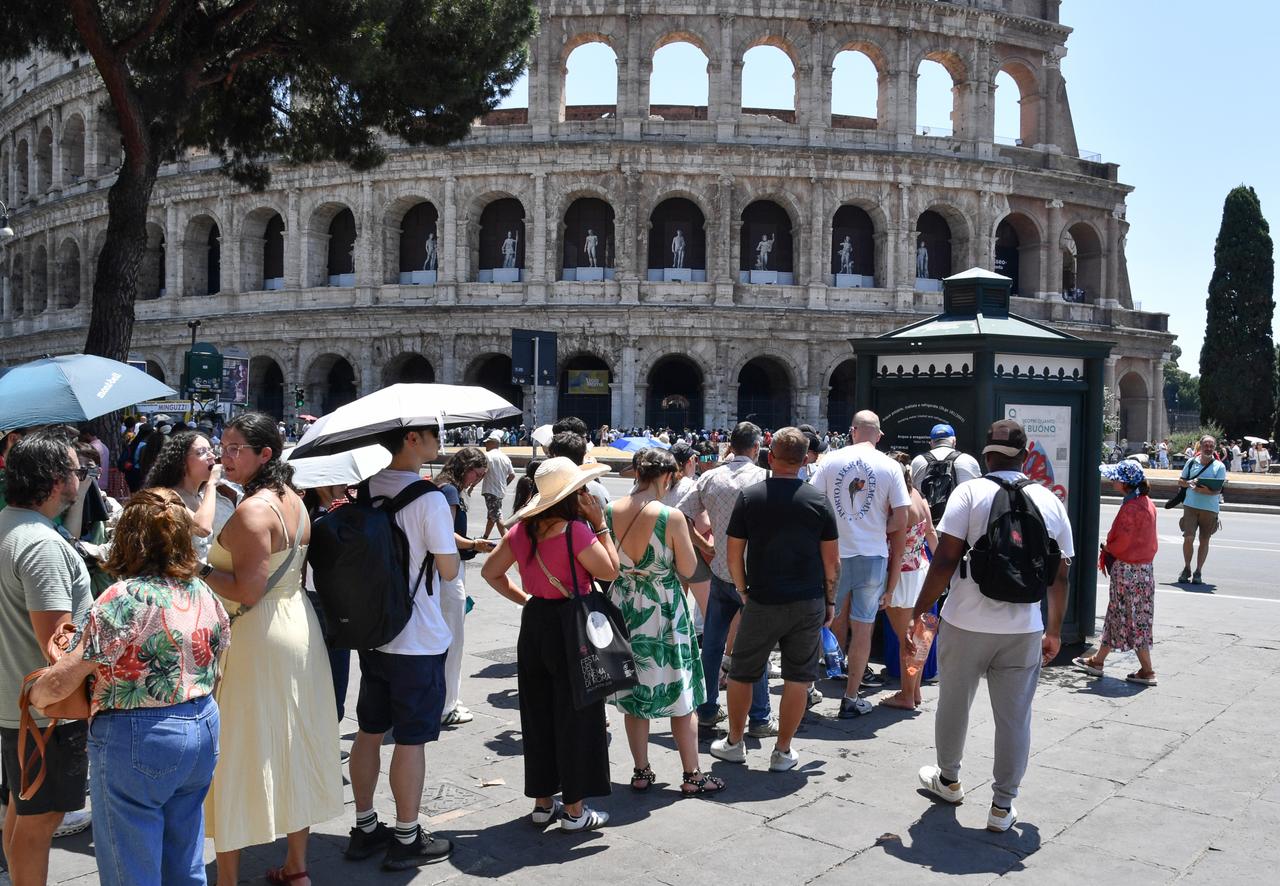
A heatwave that affected a large part of Europe caused temperatures to exceed seasonal norms in many countries during the final days of June. Health warnings were issued in France, Spain, Portugal, Italy, Germany and other European countries due to extreme heat, while forest fires, transportation disruptions and loss of life were reported in some areas.
No Discussion Added Yet
Start discussion for "2026 European Heat Wave" article
July 1, 2026
Death Toll and Overall Impact
July 1, 2026
France
July 1, 2026
Germany
July 1, 2026
Austria
July 1, 2026
Italy
July 1, 2026
Impact on Daily Life
July 1, 2026
Belgium
July 1, 2026
Denmark
July 1, 2026
Poland
July 1, 2026
Czech Republic
July 1, 2026
Netherlands
July 1, 2026
Impact on Energy and Transportation Systems Across Europe
July 1, 2026
Impact on Agriculture and Natural Resources
July 1, 2026
The Heat Dome Event
July 1, 2026
Link to Climate Change