

This article was automatically translated from the original Turkish version.
Author(s) | Stefan Zweig | ||||||||
|---|---|---|---|---|---|---|---|---|---|
Original Title | Vierundzwanzig Stunden aus dem Leben einer Frau | ||||||||
Publication Year | 1927 | ||||||||
Type(s) | Novella (long story / short novel) | ||||||||
Language(s) | German | ||||||||
Translation | Gülperi Sert | ||||||||
Twenty-Four Hours in the Life of a Woman is a novella written by Austrian author Stefan Zweig and published in 1927. The story unfolds within the frame of a narrative set in a pension in southern France, tracing the intense experience of a woman’s past.
The novel is told from the perspective of a narrator who witnesses the elderly Englishwoman (Mrs. C…) recounting a single day from her youth. In her younger years, Mrs. C… encountered a young man addicted to gambling in Monte Carlo; she saved him from suicide, and this encounter temporarily altered the course of her life. The story presents, within a twenty-four-hour timeframe, the inner conflict of a woman caught between desire, moral values, and societal pressures.
Key themes in the work include desire, conscience, morality, social judgment, gambling addiction, the inner world of women, and the impact of memory on the human psyche.
In particular, the novel highlights the tension between individual desires and the roles imposed by society, especially as they relate to female identity.
Zweig’s language is clear, simple, and fluid. Although the psychological analyses are intense, the narrative avoids technical terminology in favor of literary simplicity. The narrator’s interpretations shape the storytelling, effectively reflecting the inner lives of the characters.
Zweig’s signature psychological analysis is evident in this work. Although the plot is confined to a limited time frame, internal tension and emotional transformation are central to the narrative. Interior monologues, mental reflections, and the intrusion of the past into the present form the structural pillars of the story. The author employs a restrained language and classical narrative structure to immerse the reader in the characters’ psychological conflicts.
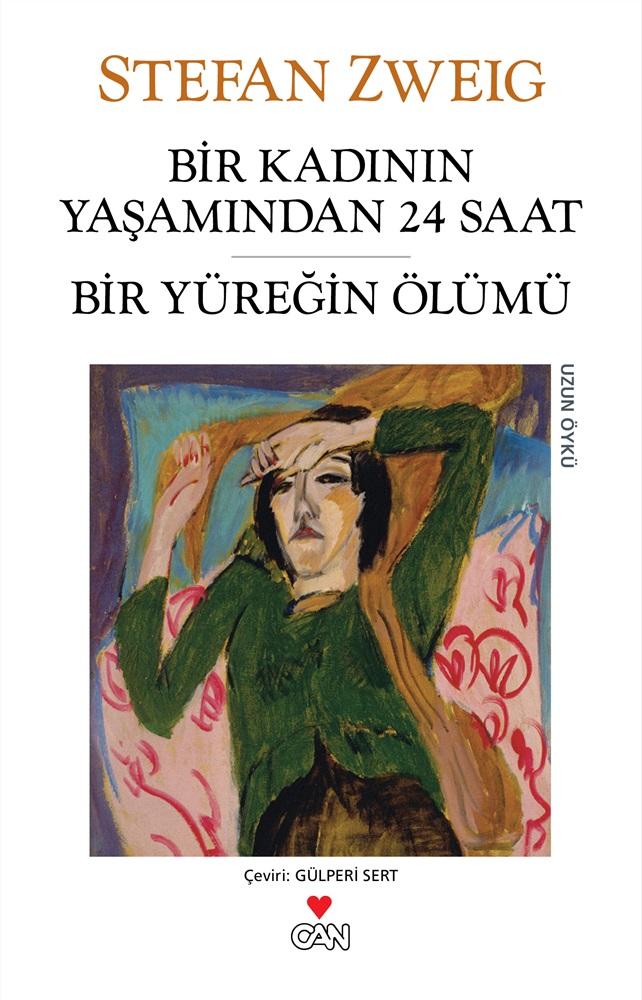
Zweig, Stefan. Bir Kadının Yaşamından 24 Saat Bir Yüreğin Ölümü. trans. Gülperi Sert, Can Yayınları, 2009.

Author(s) | Stefan Zweig | ||||||||
|---|---|---|---|---|---|---|---|---|---|
Original Title | Vierundzwanzig Stunden aus dem Leben einer Frau | ||||||||
Publication Year | 1927 | ||||||||
Type(s) | Novella (long story / short novel) | ||||||||
Language(s) | German | ||||||||
Translation | Gülperi Sert | ||||||||
No Discussion Added Yet
Start discussion for "24 Hours from a Woman's Life (Book)" article
Plot
Themes
Language
Style