This article was automatically translated from the original Turkish version.
Original Name(s) | The 400 Blows | ||||||||
|---|---|---|---|---|---|---|---|---|---|
Director(s) | François Truffaut | ||||||||
Screenplay(s) | François Truffaut | ||||||||
Genre | Drama New Wave Autobiographical | ||||||||
Production Year | 1959 | ||||||||
Duration | 99 minutes | ||||||||
Award(s) | Cannes New York Film Critics Oscar nomination | ||||||||
Box Office(s) | ~4 million viewers (France) international recognition | ||||||||
Producer(s) | Les Films du Carrosse | ||||||||
Music(s) | Jean Constantin | ||||||||
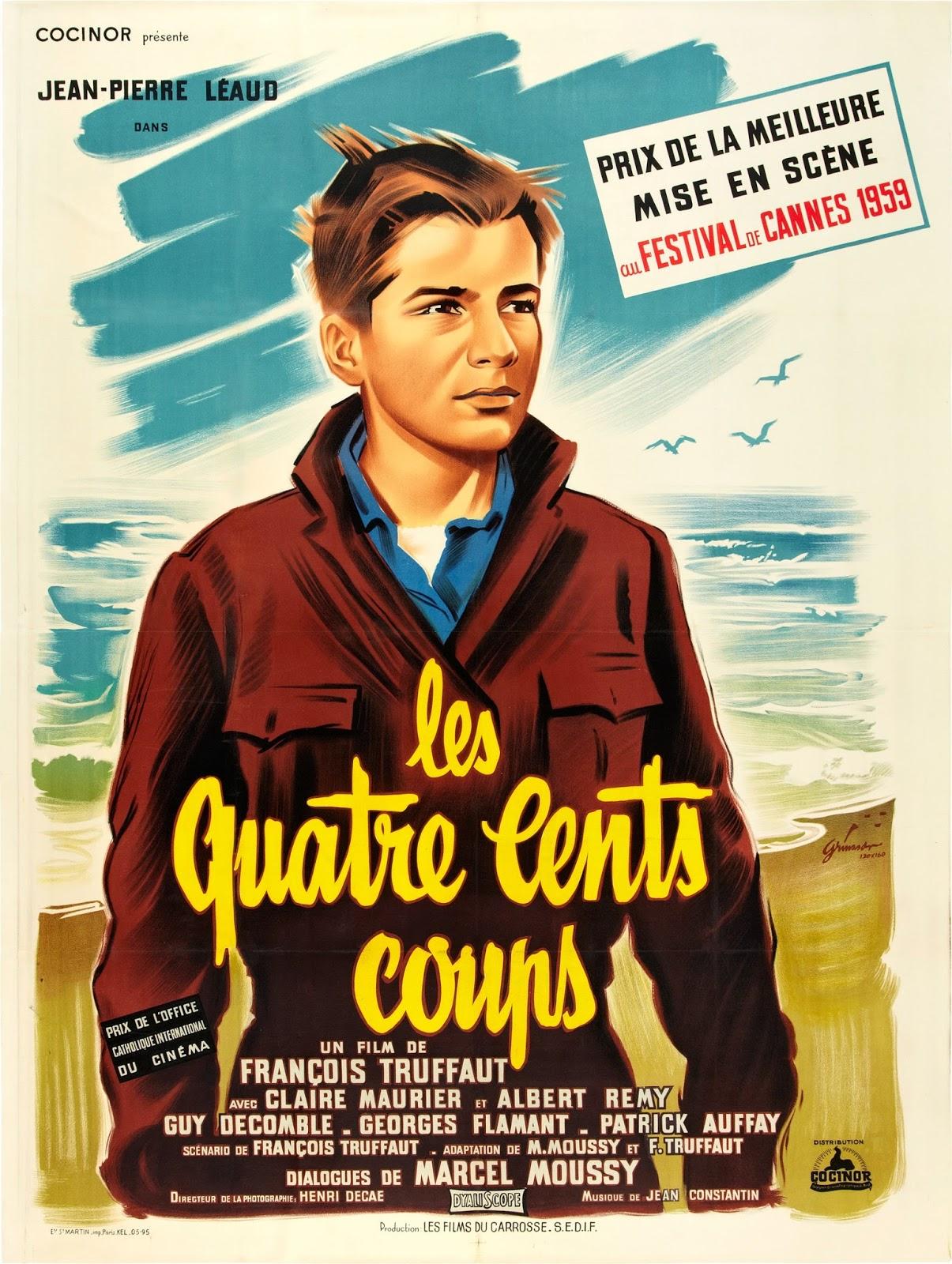
400 Blows (French original title: Les Quatre Cents Coups) is a drama film written and directed by François Truffaut in 1959 and regarded as one of the pioneering works of the French New Wave (La Nouvelle Vague) movement. As Truffaut’s first feature-length film, it contains autobiographical elements and offers an alternative approach to narrative conventions in French cinema.
The film centers on the life of Antoine Doinel, a 13-year-old boy living in Paris. Unable to adapt to his family or the education system, Antoine becomes increasingly disengaged from school and turns to minor acts of delinquency. The film aims to explore the character’s relationship with society and his search for freedom. The film’s final scene ends in an open-ended manner open to interpretation.
The screenplay is based on François Truffaut’s childhood experiences and observations. The character of Antoine Doinel is portrayed by Jean-Pierre Léaud. The film’s use of mobile camera work, natural lighting, and non-professional actors are characteristic features of the French New Wave. The production incorporates everyday life in Paris, blending fictional storytelling with documentary-style techniques.

400 Blows (IMDB)
The film’s cast includes both professional and non-professional actors.
The film has been recognized within cinema scholarship as one of the earliest examples of the French New Wave, earning acclaim for its portrayal of the individual-society relationship. Its camera movements, spatial usage, and acting choices positioned it outside the traditional cinematic norms of the era.
The film won a total of eight awards nationally and internationally and received five additional nominations.
Although 400 Blows achieved limited box office success upon its initial release, it later appeared in special screening programs across various countries. In France, it reached over four million viewers, and its international distribution network expanded notably in the United States and Japan among other regions.
Beyazperde. "The 400 Blows - Oyuncular." Beyazperde. Accessed August 6, 2025. https://www.beyazperde.com/filmler/film-62178/oyuncular/
Beyazperde. "The 400 Blows." Accessed August 6, 2025. https://www.beyazperde.com/filmler/film-62178/
Box Office Mojo. “The 400 Blows.” Box Office Mojo. Accessed August 6, 2025. https://www.boxofficemojo.com/title/tt0053198/
IMDb. "The 400 Blows – Awards." IMDb. Accessed August 6, 2025. https://www.imdb.com/title/tt0053198/awards/?ref_=tt_ov_at_op_awd
IMDb. "The 400 Blows – Filming Locations." IMDb. Accessed August 6, 2025. https://www.imdb.com/title/tt0053198/locations/?ref_=tt_ov_at_dt_flmg
IMDb. "The 400 Blows – Media Index." IMDb. Accessed August 6, 2025. https://www.imdb.com/title/tt0053198/mediaindex/?ref_=tt_ov_at_pop_ph
IMDb. "The 400 Blows – Plot Summary." IMDb. Accessed August 6, 2025. https://www.imdb.com/title/tt0053198/plotsummary/?ref_=tt_ov_at_pl_pl
IMDb. "The 400 Blows – Technical Specs." IMDb. Accessed August 6, 2025. https://www.imdb.com/title/tt0053198/technical/?ref_=tt_ov_at_dt_spec
IMDb. "The 400 Blows." IMDb. Accessed August 6, 2025. https://www.imdb.com/title/tt0053198/
IMDb. “The 400 Blows – Company Credits.” IMDb. Accessed August 6, 2025. https://www.imdb.com/title/tt0053198/companycredits/?ref_=tt_ov_at_dt_cmpy
IMDb. “The 400 Blows – Release Info.” IMDb. Accessed August 6, 2025. https://www.imdb.com/title/tt0053198/releaseinfo/?ref_=tt_ov_at_dt_rdat
MUBI. "The 400 Blows." MUBI. Accessed August 6, 2025. https://mubi.com/tr/tr/films/the-400-blows

Original Name(s) | The 400 Blows | ||||||||
|---|---|---|---|---|---|---|---|---|---|
Director(s) | François Truffaut | ||||||||
Screenplay(s) | François Truffaut | ||||||||
Genre | Drama New Wave Autobiographical | ||||||||
Production Year | 1959 | ||||||||
Duration | 99 minutes | ||||||||
Award(s) | Cannes New York Film Critics Oscar nomination | ||||||||
Box Office(s) | ~4 million viewers (France) international recognition | ||||||||
Producer(s) | Les Films du Carrosse | ||||||||
Music(s) | Jean Constantin | ||||||||
Plot
Production and Cinematography
Cast
Critical Reception
Awards
Box Office and Exhibition