


This article was automatically translated from the original Turkish version.
+2 More
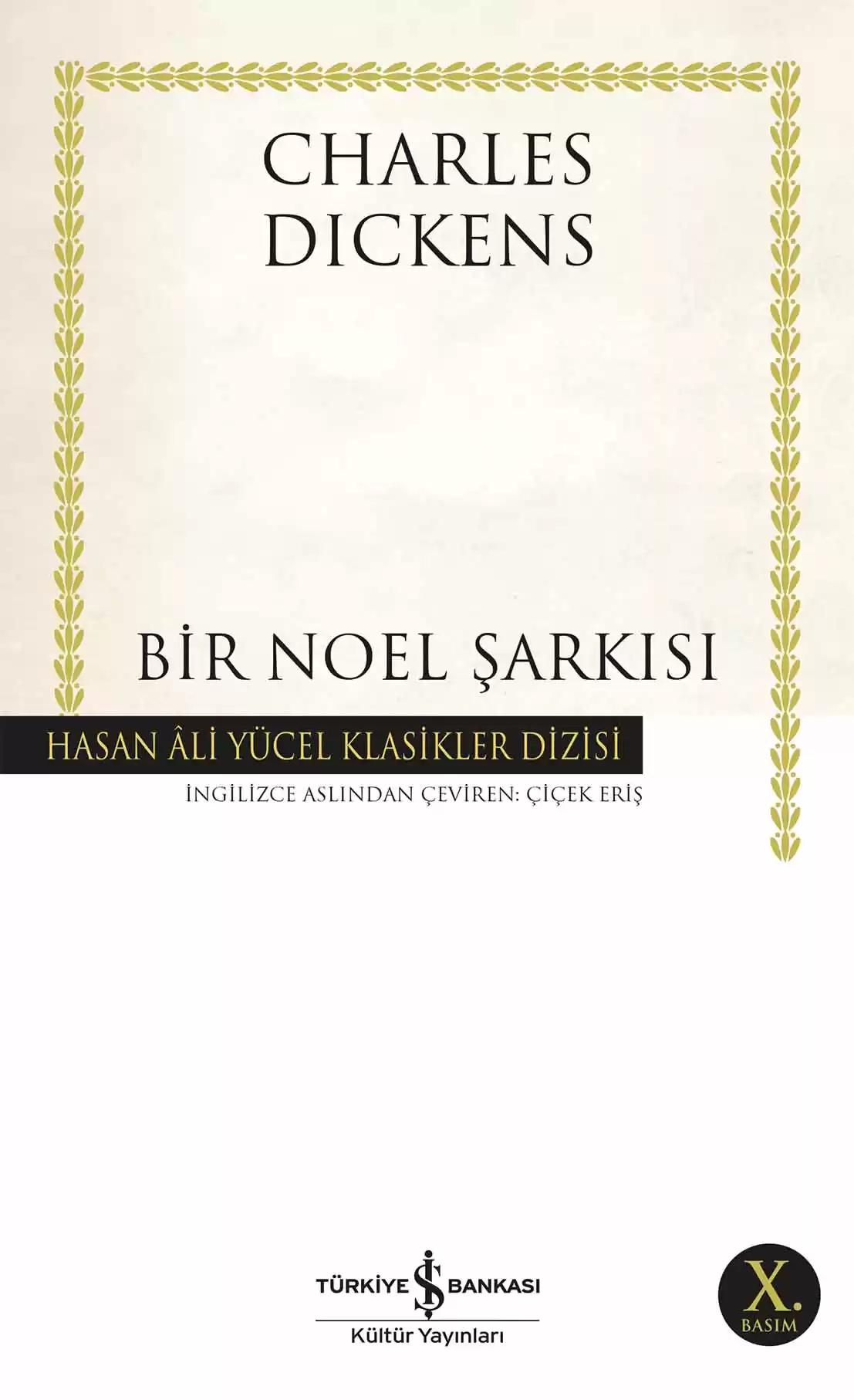
A Christmas Song
Author(s) | Charles Dickens | ||||||||
|---|---|---|---|---|---|---|---|---|---|
Original Name(s) | A Christmas Carol | ||||||||
Publisher(s) | İş Bankası Kültür Yayınları | ||||||||
Number of Pages | 96 | ||||||||
ISBN | 9786254051821 | ||||||||
Translator(s) | Çiçek Eriş | ||||||||
A Christmas Carol is a novella written by English author Charles Dickens in 1843. This work presents the social realities of Victorian England within the framework of a ghost story and has played a significant role not only in literary terms but also in the reshaping of Christmas culture. While critiquing the cold face of capitalism against human values, this classic emphasizes the power of change and conscience and has been adapted for decades across many fields from theater to cinema.
The protagonist of the novella, Ebenezer Scrooge, is a grumpy, miserly, and socially isolated businessman. On Christmas Eve, he is visited by the ghost of his former partner Marley and is warned of the arrival of three spirits: the Ghost of Christmas Past, the Ghost of Christmas Present, and the Ghost of Christmas Yet to Come. These three visits enable Scrooge to view his life from a new perspective. Confronting the regrets of his past, the indifference of his present, and the solitary death awaiting him in the future, Scrooge resolves to change. By morning, he has become an entirely different person—generous, kind, and compassionate toward those around him.
The work encourages readers to empathize with the characters’ emotions. Dickens vividly and detailedly depicts the Christmas atmosphere, settings, and characters of 19th-century London. The novella underscores moral values such as generosity, compassion, and forgiveness, offering readers important lessons.
The work appeals to a broad audience starting from middle school level. It is suitable for readers interested in social awareness, personal transformation, and classic English literature. Additionally, its pedagogical qualities make it useful for educational and instructional purposes.
Dickens, Charles. *Bir Noel Şarkısı*. Translated by Çiçek Eriş. Istanbul: Türkiye İş Bankası Kültür Yayınları, 2021.
Türkiye İş Bankası Kültür Yayınları. "Bir Noel Şarkısı." Accessed May 14, 2025. https://www.iskultur.com.tr/bir-noel-sarkisi.aspx.

A Christmas Song
Author(s) | Charles Dickens | ||||||||
|---|---|---|---|---|---|---|---|---|---|
Original Name(s) | A Christmas Carol | ||||||||
Publisher(s) | İş Bankası Kültür Yayınları | ||||||||
Number of Pages | 96 | ||||||||
ISBN | 9786254051821 | ||||||||
Translator(s) | Çiçek Eriş | ||||||||
No Discussion Added Yet
Start discussion for "A Christmas Song (Book)" article
Plot Summary
Key Themes
Style
Target Audience