


This article was automatically translated from the original Turkish version.
+2 More
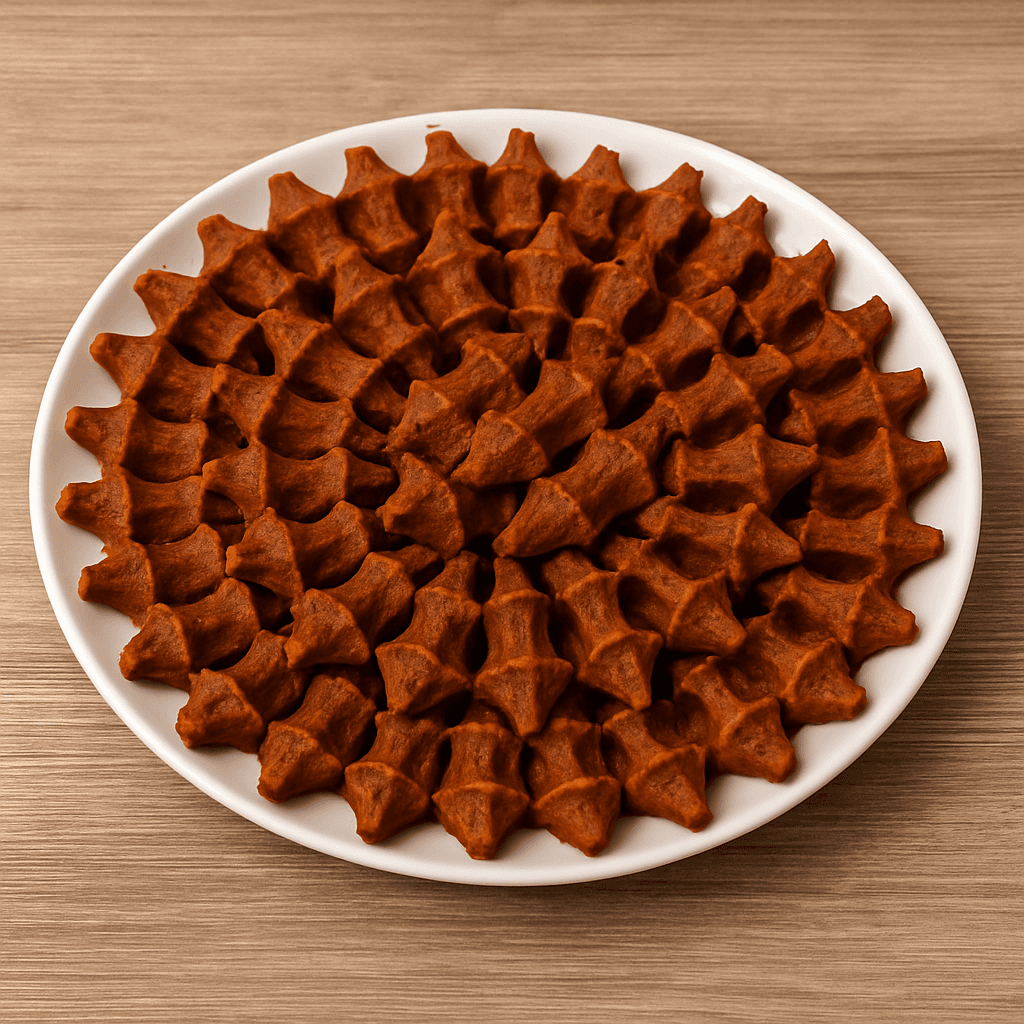
Adıyaman Meatless Raw Köfte
Type of Geographical İndication | Mahreç Sign | ||||||||
|---|---|---|---|---|---|---|---|---|---|
File Number | C2015/011 | ||||||||
Application Date | 2015-02-09 | ||||||||
Registration Number | 366 | ||||||||
Registration Date | 2018-07-12 | ||||||||
Product / Product Group(s) | Meals and soups | ||||||||
Province(s) | Adıyaman | ||||||||
Applicant/Registrant(s) | Adıyaman Chamber of Commerce and Industry | ||||||||
Status | Registered | ||||||||
A dish closely associated with the province of Adıyaman. The history of raw kofta traces back to King Nemrut, who ruled the region encompassing present-day Adıyaman, known in antiquity as Commagene. The meatless version of raw kofta has become emblematic of the Adıyaman region.

Adıyaman Meatless Raw Kofta – (Generated by Artificial Intelligence)
Core Ingredients: The mixture consists of fine bulgur suitable for raw kofta, isot, pepper and tomato paste, parsley, pomegranate molasses, vegetable oil, dried onion, garlic, walnut, salt, and a variety of spices.
Bulgur: The primary raw material, bulgur, must be made from Triticum aestivum, a hard red bread wheat variety, locally known as simit, and processed into fine raw kofta bulgur with at least 90 percent of the grains smaller than 1.6 mm. This particle size ensures easy softening and facilitates kneading.
Other Ingredients: Bitter peppers naturally sun-dried as isot, homemade tomato and pepper paste, eight types of spices, parsley, walnut, pomegranate molasses, onion, and garlic are all processed with olive oil to extract their essence. The specified spices include clove, ginger, cinnamon, hawthorn, cumin, black pepper, coriander, and nutmeg.
Generally, the paste, isot, onion, garlic, walnut, spices, and salt are mixed in a trough and kneaded until a paste-like consistency is achieved. Then, the specially prepared bulgur is added and kneading continues. Water is gradually added during kneading to soften the bulgur. Once the mixture reaches a smooth, non-grainy texture, pomegranate molasses, vegetable oil (mostly olive oil), optional lemon juice, and grated tomato are incorporated. Finally, finely chopped parsley is stirred in. Traditionally, a tin-lined copper trough with a base pounded by a mallet is used for kneading. In summer months, ice may be added; in winter, a small amount of lemon juice is used to aid the process.
Although commonly served as a snack elsewhere, in Adıyaman it constitutes a complete meal. Consumed since childhood, raw kofta establishments attract high customer volumes. Its affordability, flavor, and rich accompaniments (herbs and sauces) make it popular across all age groups.
Raw kofta also contributes to social cohesion. Its preparation in front of guests during home gatherings and social events often becomes a form of entertainment. It is also an indispensable part of the Adıyaman cultural tradition known as Harfane night. It has been determined that consuming an average of 100 grams of meatless raw kofta provides 155 kcal of energy. Servings are typically portioned at 200 grams and presented as small kofta balls wrapped in lavaş flatbread, between lettuce leaves, or on serving plates. It is most commonly served with ayran or şalgam, various fresh herbs, and pickles.
Supervision is carried out by a five-member expert authority designated by the Adıyaman Chamber of Commerce and Industry. This authority conducts annual inspections and performs additional inspections as needed or upon complaint. The authority verifies the use of the official logo on packaged products and checks product composition.
Turk Patent and Trademark Office. *Adıyaman Etsiz Çiğ Köfte Teknik Şartnamesi*. Ankara: TÜRKPATENT. Accessed May 23, 2025. https://ci.turkpatent.gov.tr/Files/GeographicalSigns/366.pdf.
Türk Patent ve Marka Kurumu. “Adıyaman Etsiz Çiğ Köfte.” Coğrafi İşaretler. Accessed May 23, 2025. https://ci.turkpatent.gov.tr/cografi-isaretler/detay/38154.
Türkiye Turizm Ansiklopedisi. "Adıyaman Etsiz Çiğ Köfte." Accessed May 23, 2025. https://turkiyeturizmansiklopedisi.com/adiyaman-etsiz-cig-kofte.

Adıyaman Meatless Raw Köfte
Type of Geographical İndication | Mahreç Sign | ||||||||
|---|---|---|---|---|---|---|---|---|---|
File Number | C2015/011 | ||||||||
Application Date | 2015-02-09 | ||||||||
Registration Number | 366 | ||||||||
Registration Date | 2018-07-12 | ||||||||
Product / Product Group(s) | Meals and soups | ||||||||
Province(s) | Adıyaman | ||||||||
Applicant/Registrant(s) | Adıyaman Chamber of Commerce and Industry | ||||||||
Status | Registered | ||||||||
No Discussion Added Yet
Start discussion for "Adıyaman Meatless Raw Köfte" article
Distinctive Features
Ingredients
Production Method
Supervision