

This article was automatically translated from the original Turkish version.
+1 More
The history of Ağaçören extends back to the Hittite period of the 3rd and 4th centuries BCE. During the Byzantine era, the region remained within the boundaries of Cappadocia, and in the Ottoman period it was known as “Panlı” from the 15th century onward. This name was used until 1961, after which it was changed to “Ağaçören.” During the Republican era, it was a township under the district of Şereflikoçhisar in Ankara Province, and in 1989 it became a district under Aksaray Province.
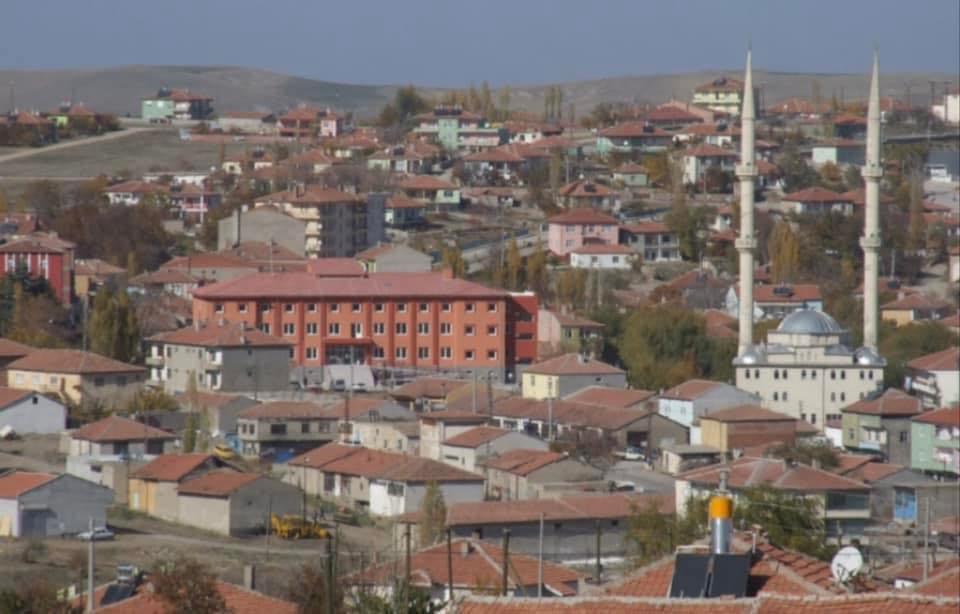
Ağaçören is located in the southern part of the Central Kızılırmak region of Central Anatolia. It is bordered by Sarıyahşi to the north, the central district of Aksaray and Ortaköy to the south, and Şereflikoçhisar to the west. It has a total area of 410,191 decares and an elevation of 1,100 meters. The terrain is hilly and plateau-like.
A continental climate prevails, with harsh and cold winters and hot, dry summers. The natural vegetation consists primarily of steppe. Tree species are mostly limited to small streams and include willow, poplar, and almond.
The main water source of Ağaçören is the Peçenek Özü stream located in its southwestern part. Additionally, there is one reservoir within the boundaries of Camili Village. However, due to generally limited water resources, agricultural irrigation opportunities are restricted.
Of Ağaçören’s total area of 410,191 decares, 229,220 decares are agricultural land, 98,413 decares are pasture and meadow, and 12,558 decares are non-agricultural areas. Of the agricultural land, 11,961 decares are irrigated and 284,259 decares are rain-fed.
Due to the limited extent of irrigated land, the variety of crops grown is restricted. In rain-fed agricultural areas, cereal crops such as wheat and barley are predominantly cultivated, but yields and income levels remain low.
Aksaray İl Kültür ve Turizm Müdürlüğü. “Ağaçören.” Accessed June 25, 2025.
Aksaray İl Müftülüğü. “Ağaçören.” Accessed June 25, 2025.
Ağaçören Kaymakamlığı. “Konak.” Accessed June 25, 2025.

No Discussion Added Yet
Start discussion for "Ağaçören (District)" article
Geographical Location
Climate and Nature
Water Resources
Land Use
Agriculture and Economy