+2 More

Date and Place of Birth | 22 May 1895 – Istanbul, Ottoman Empire | ||||||||
|---|---|---|---|---|---|---|---|---|---|
Date and Place of Death | 12 September 1979 – Istanbul, Türkiye | ||||||||
Nationality | Citizen of the Ottoman Empire then the Republic of Türkiye | ||||||||
Profession(s) | Linguist writer teacher | ||||||||
Education | Robert College (1915) | ||||||||
Academic Positions | Ankara University Faculty of Language, History and Geography, Gazi High School, Svoboden University | ||||||||
Institutional Positions | Chief Expert of the Turkish Language Association (1934–1979), Chief Editor of the Turkish Encyclopedia | ||||||||
Languages Spoken/Known | Armenian, Turkish, English, French, Greek, Spanish, Russian, Latin, Greek, German, Bulgarian | ||||||||
Burial Site | Şişli Armenian Cemetery | ||||||||
Related Congresses and Positions | 1st and 2nd Turkish Language Congresses, founding staff of the Turkish Language Association | ||||||||
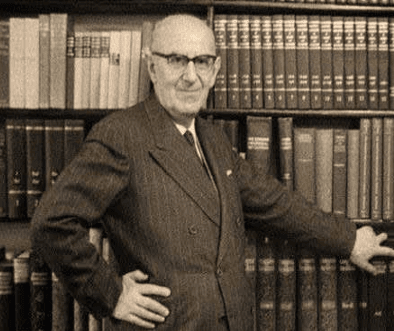
Agop (Martayan) Dilaçar was born in Istanbul in 1895 and held various positions in linguistics during the early years of the Türkiye Republic through institutions, educational activities and publications. Dilaçar completed his education at Robert College and participated in academic, encyclopedic and institutional projects using his proficiency in multiple languages. At the invitation of Atatürk, he attended the Turkish Language Research Society congress in 1932 and subsequently served at the Turkish Language Association and the Faculty of Language, History and Geography at Ankara University. Dilaçar spent most of his life engaged in publications and teaching activities in linguistics and died in Istanbul in 1979.
Agop (Martayan) Dilaçar completed his primary education in American missionary schools in Istanbul and was then admitted to Robert College. There he studied many languages including Latin, Ancient Greek, German, French, Greek and Spanish; his linguistic interests developed during these years. He attended classes taught by Tevfik Fikret and graduated with the New York Science Award.
Dilaçar joined the army as a reserve officer during World War I and served first on the Caucasus Front and later on the Syria-Palestine Front. While stationed in Aleppo and Damascus he worked as an interpreter and was introduced to Mustafa Kemal Pasha during this period. After his military service he held administrative and journalistic positions in educational institutions in Lebanon and later returned to Istanbul where he taught at Robert College.
In the late 1920s Dilaçar moved to Sofia where he taught Old Turkic languages and Ottoman Turkish at Svoboden University. He also published articles in various Armenian and Turkish periodicals. In 1932 he attended the First Turkish Language Congress of the Turkish Language Research Society. At this congress he presented a paper titled “Relations Between Turkish, Sumerian and Indian Languages”. In 1934 he was appointed chief expert at the Turkish Language Association and began teaching at Ankara University’s Faculty of Language, History and Geography in 1936. He held this position until 1951.
Dilaçar was part of the founding staff of the Turkish Language Association established in 1932. Within this institution he conducted research on word etymologies and participated in orthographic and dictionary revisions. From 1952 onward he regularly published articles in the journal *Türk Dili* and served as chief editor at Turkish Encyclopedia until 1969. In 1968 he left the Turkish Encyclopedia to focus on his work titled “Kutadgu Bilig İncelemesi”.
Dilaçar conducted research on the structure development etymology and classification of languages. He authored numerous articles and books on comparative linguistic studies between Turkish and other languages. His major works include:
Dilaçar died in Istanbul on 12 September 1979 and was buried in the Şişli Armenian Cemetery. In news reports following his death his name was generally referred to as “A. Dilaçar”.
Atatürk Ansiklopedisi. "Agop (Martayan) Dilaçar." Atatürk Kültür, Dil ve Tarih Yüksek Kurumu, Accessed June 30, 2025. https://ataturkansiklopedisi.gov.tr/detay/109/Agop-(Martayan)-Dila%C3%A7ar
Beyaz, Ekrem. “Agop Dilaçar ve Dil Yazıları.” *Türk Dili* 784 (January 2019): 100–106. Türk Dil Kurumu Yayınları. https://tdk.gov.tr/wp-content/uploads/2019/01/20_Ekrem-Beyaz.pdf
Dil Derneği. “A. Dilaçar.” Accessed July 23, 2025. https://www.dildernegi.org.tr/TR,456/a-dilacar.html

Date and Place of Birth | 22 May 1895 – Istanbul, Ottoman Empire | ||||||||
|---|---|---|---|---|---|---|---|---|---|
Date and Place of Death | 12 September 1979 – Istanbul, Türkiye | ||||||||
Nationality | Citizen of the Ottoman Empire then the Republic of Türkiye | ||||||||
Profession(s) | Linguist writer teacher | ||||||||
Education | Robert College (1915) | ||||||||
Academic Positions | Ankara University Faculty of Language, History and Geography, Gazi High School, Svoboden University | ||||||||
Institutional Positions | Chief Expert of the Turkish Language Association (1934–1979), Chief Editor of the Turkish Encyclopedia | ||||||||
Languages Spoken/Known | Armenian, Turkish, English, French, Greek, Spanish, Russian, Latin, Greek, German, Bulgarian | ||||||||
Burial Site | Şişli Armenian Cemetery | ||||||||
Related Congresses and Positions | 1st and 2nd Turkish Language Congresses, founding staff of the Turkish Language Association | ||||||||
No Discussion Added Yet
Start discussion for "Agop (Martayan) Dilaçar" article
Educational Background and Linguistic Competence
Military Service and Meeting Atatürk
Academic and Institutional Work
Turkish Language Association and Publication Activities
Works and Scientific Contributions
Death and Legacy