This article was automatically translated from the original Turkish version.
+1 More
Registration Number | 1565 | ||||||||
|---|---|---|---|---|---|---|---|---|---|
Registration Date | 29.03.2024 | ||||||||
Application Number | C2021/000465 | ||||||||
Application Date | 05.11.2021 | ||||||||
Name of the Geographical Indication | Ağrı Tulum Cheese | ||||||||
Product / Product Group(s) | Cheese / Cheeses | ||||||||
Type of Geographical Indication | Certification mark | ||||||||
Applicant/Registrant(s) | Ağrı Provincial Special Administration | ||||||||
Address of the Registrant | Fırat Mah. Yaşar Kemal Cad. No: 269 Merkez AĞRI | ||||||||
Geographical Boundary | Ağrı province | ||||||||
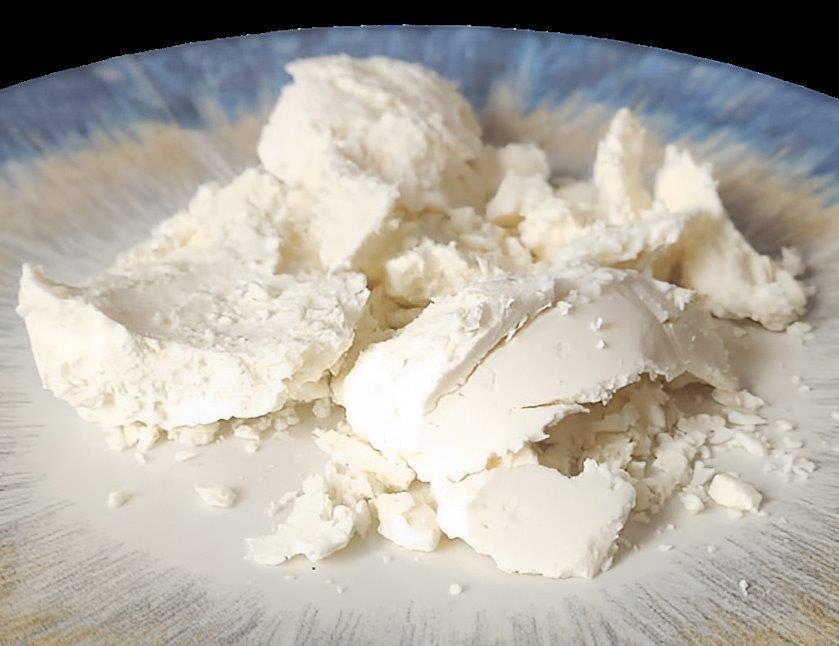
Ağrı tulum cheese is a semi-soft, full-fat cheese produced from raw milk obtained from Akkaraman and Morkaraman sheep and cattle raised in Ağrı province, mixed in specific proportions (approximately 90–95% sheep milk and 5–10% cow milk). It is made using commercial rennet yeast without any commercial starter culture. The production process includes coagulation, draining of the curd in cotton bags after salting, and then pressing it tightly into goat-skin sacks or plastic containers for maturation at temperatures between -2 and 0 °C for at least four months. This cheese is characterized by its high dry matter and fat content, low pH value, fragile yet creamy texture, and fruity, buttery aroma.
The milk used in the production of Ağrı tulum cheese is primarily sourced from Akkaraman and Morkaraman sheep, with a minor contribution from cattle. Ninety to ninety-five percent of the milk is sheep milk, and five to ten percent is cow milk. These milks are obtained exclusively from animals grazed freely on pastures within the geographical boundaries during the months of May, June, July, and August. Ağrı’s high altitude (average 1,640 m), cool climate, and abundant spring and summer sunshine and rainfall result in rich vegetation that directly influences milk yield and quality.
Ağrı tulum cheese is produced from raw milk without any pasteurization or thermization process. Commercial starter cultures are not used. The production process consists of three main stages: curd formation, salting, and maturation.
The freshly milked milk is cooled to below 10 °C and transported to the dairy facility. There, the milk is heated to 35±1 °C, and commercial rennet yeast is added at a rate of 150–200 ml per ton of milk. The mixture is left to coagulate for 50–60 minutes. The curd is then gently transferred into cotton cloth bags of 2–3 kg capacity and drained for 12–13 hours at 15–20 °C to remove whey. These bags are regularly turned and stacked to accelerate the draining process.
After the initial draining, the curds are removed from the cloth bags and placed in 50 kg plastic sacks for an additional 2–3 days of draining. They are then cut into pea-sized pieces, salted at a rate of 2–3%, and returned to cotton sacks for further draining over 5–7 days.
The drained and salted curds are pressed tightly into goat-skin sacks or narrow-necked plastic containers to exclude air. In leather sacks, the draining continues through the pores of the skin, allowing serum to seep out. In plastic containers, small holes are made using needles known as “biz.” These containers are stored in cold storage rooms at temperatures between -2 and 0 °C for a minimum of four months to mature.
Ağrı tulum cheese is a semi-soft, full-fat cheese characterized by a high dry matter content (57.8–59%), low pH (4.5–4.57), and high fat content (22.3–24.2%). The fat content in dry matter ranges between 34.4–35.9%. Salt content is 2–3.1%, and protein content is 20.2–21.4%. Ash content is 2.94–3.05%, and carbohydrate content is 3.1–5.7%.
The aromatic profile of the cheese is dominated by various esters (ethyl acetate, ethyl butanoate, ethyl hexanoate, ethyl octanoate, and ethyl decanoate), short- and medium-chain free fatty acids (butanoic, hexanoic, octanoic), and organic acids (particularly acetic acid). The presence of these compounds creates a fruity and buttery aroma. The retronasal aroma is moderately persistent and leaves a characteristic sensation in the throat during consumption. The high fat content counterbalances the brittleness caused by the low pH.
Volatile compounds identified in Ağrı tulum cheese include ethyl acetate, 2-butanone, ethyl alcohol, ethyl butanoate, ethyl hexanoate, acetaldehyde, acetophenone, hexanoic acid, octanoic acid, and eicosane. Although their quantities vary, these compounds play a decisive role in forming the cheese’s unique aroma and flavor.
The reputation of Ağrı tulum cheese stems from the quality of the milk used and the fact that its production is confined to a specific geographical area, which imparts distinctive characteristics to the product. Ağrı’s high altitude, climatic structure, and natural pastures directly influence the cheese’s aromatic and nutritional composition. Therefore, the production, processing, and maturation of the cheese can only be carried out within the defined geographical boundaries.
The production of Ağrı tulum cheese is monitored by a minimum three-member inspection board composed of representatives from the Ağrı Provincial Directorate of Agriculture and Forestry and the Ağrı Provincial Directorate of Trade, under the coordination of the Ağrı Provincial Special Administration. Inspections are conducted at least once per year. Additional inspections may be carried out upon complaint or need. The inspection criteria include the conditions of milk sourcing, compliance with production methods, labeling, and the proper use of the geographical indication mark.
Turk Patent and Trademark Office. "Ağrı Tulum Peyniri." Turk Patent and Trademark Office. Accessed July 17, 2025. https://ci.turkpatent.gov.tr/Files/GeographicalSigns/4806af55-4312-4b10-aa8d-2af18b01ca4f.pdf.
Turk Patent and Trademark Office. "Ağrı Tulum Peyniri." Turk Patent and Trademark Office. Accessed July 17, 2025. https://ci.turkpatent.gov.tr/cografi-isaretler/detay/5468.

Registration Number | 1565 | ||||||||
|---|---|---|---|---|---|---|---|---|---|
Registration Date | 29.03.2024 | ||||||||
Application Number | C2021/000465 | ||||||||
Application Date | 05.11.2021 | ||||||||
Name of the Geographical Indication | Ağrı Tulum Cheese | ||||||||
Product / Product Group(s) | Cheese / Cheeses | ||||||||
Type of Geographical Indication | Certification mark | ||||||||
Applicant/Registrant(s) | Ağrı Provincial Special Administration | ||||||||
Address of the Registrant | Fırat Mah. Yaşar Kemal Cad. No: 269 Merkez AĞRI | ||||||||
Geographical Boundary | Ağrı province | ||||||||
Raw Materials and Origin
Production Method
Coagulation and Curd Formation
Draining and Salting
Maturation
Physicochemical Properties
Aroma and Sensory Properties
Volatile Compounds
Geographical Link and Reputation
Monitoring and Protection