


This article was automatically translated from the original Turkish version.
+2 More
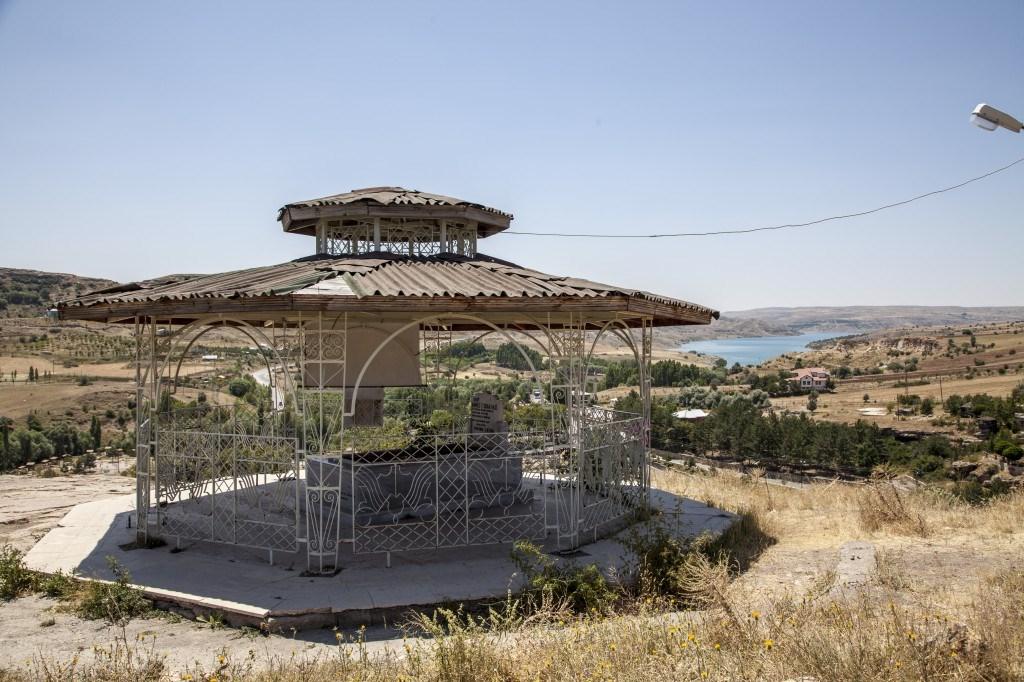
Ahmet Turan Gazi, whose original name was Ahmeri Terran, is a historical figure who played a significant role in the Islamization of Anatolia alongside Battal Gazi and Abdülvehhab Gazi. According to sources, the commander originally named Ahmer was defeated in battle by Battal Gazi (whose real name was Cafer) and subsequently embraced Islam. After accepting Islam, he adopted the name Ahmet Turan or Ahmet Duran and continued his struggle as Battal Gazi’s weapons companion.
According to the chronicles of historians such as Al-Tabari and Ibn Kathir, Abdülvehhab Gazi was martyred in the year 113 AH (731 CE). Ahmet Turan Gazi lived during the same period and was martyred alongside Abdülvehhab Gazi during a battle in Soğuk Çermik.
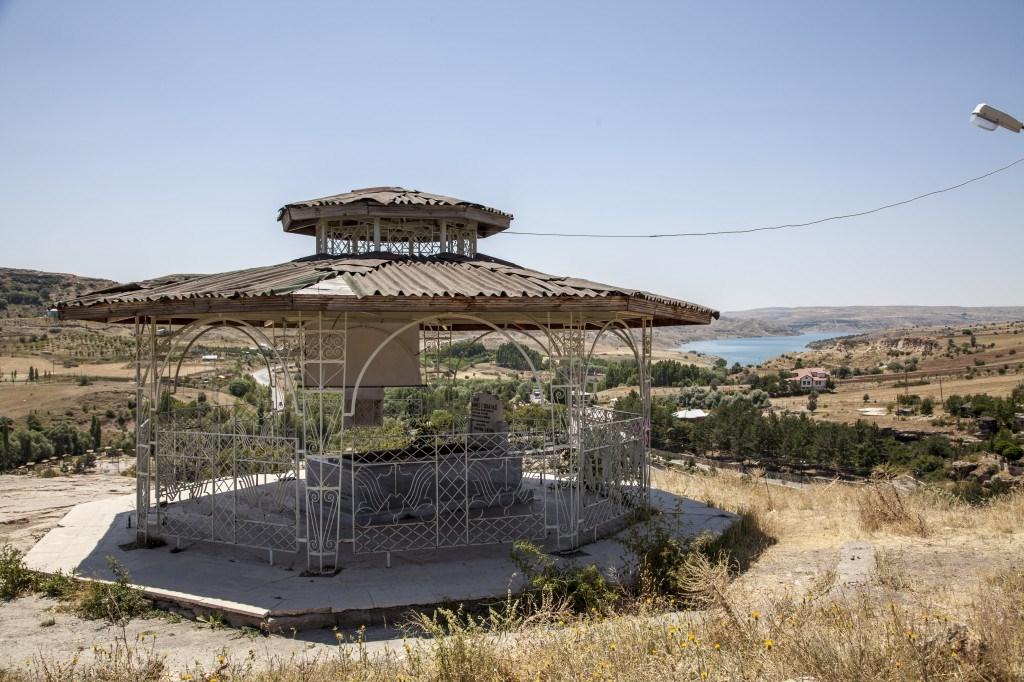
Ahmet Turan Gazi Türbesi (Republic of Türkiye Sivas Governorate)
The tomb of Ahmet Turan Gazi is located on the cliffs above Soğuk Çermik in the Sivas region. The tomb is situated 18 km from the city center of Sivas and 15 km from the district of Hafik. The current tomb structure was built in the 1990s.
Information regarding Soğuk Çermik is available at the site where the martyrdom is recorded in historical sources. This regional access point lies along the Sivas-Erzincan highway and is reachable by regular public transportation services from the city center of Sivas. For air travel, Sivas Airport is located 43 km from the spa area; for rail travel, the train station is situated 25 km from the spa area.
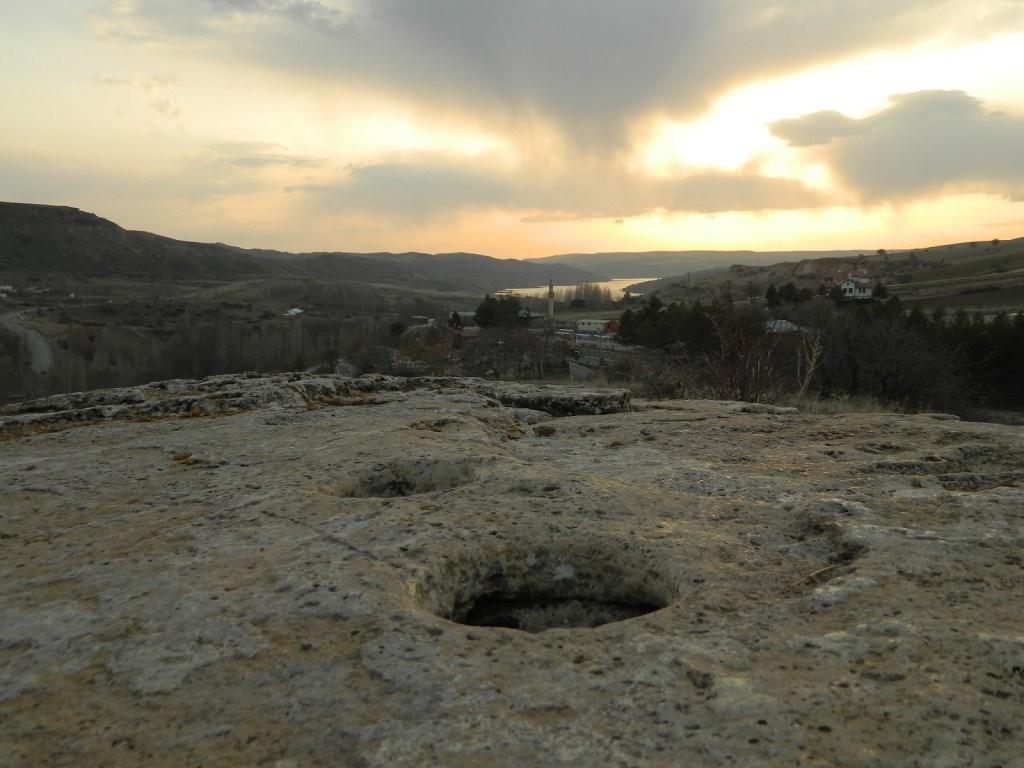
Ahmet Turan Gazi Türbesi (Republic of Türkiye Sivas Governorate)
Shams al-Din Sivasi’s “Manaqib of Abdülvehhab Gazi” contains important information about Ahmet Turan Gazi. According to this source, Ahmet Turan Gazi (formerly known as Ahmer) was defeated in battle by Battal Gazi (formerly known as Cafer) and then converted to Islam. Battal Gazi gave him the name Ahmet Turan, and Ahmet Turan in turn bestowed upon Cafer the epithet Battal.
Historical sources indicate that Ahmet Turan Gazi fought alongside Battal Gazi and Abdülvehhab Gazi in the effort to Islamize Anatolia. He was martyred alongside Abdülvehhab Gazi during a battle in Soğuk Çermik and was buried on a rock above Soğuk Çermik.
According to popular legends, when Ahmet Turan Gazi was wounded in battle, his horse leapt approximately 350 to 400 meters across the cliff to the opposite ridge, and the hoof prints of that horse are still visible today in the depressions on the opposite hillside. Another account states that water gushed forth from the rocks where the martyr fell, giving rise to the hot spring water of the day. For this reason, the waters of the spa are believed to possess healing properties. It is also reported that Ahmet Turan Gazi extended his arm from the ridge to the spring below to perform ablution.
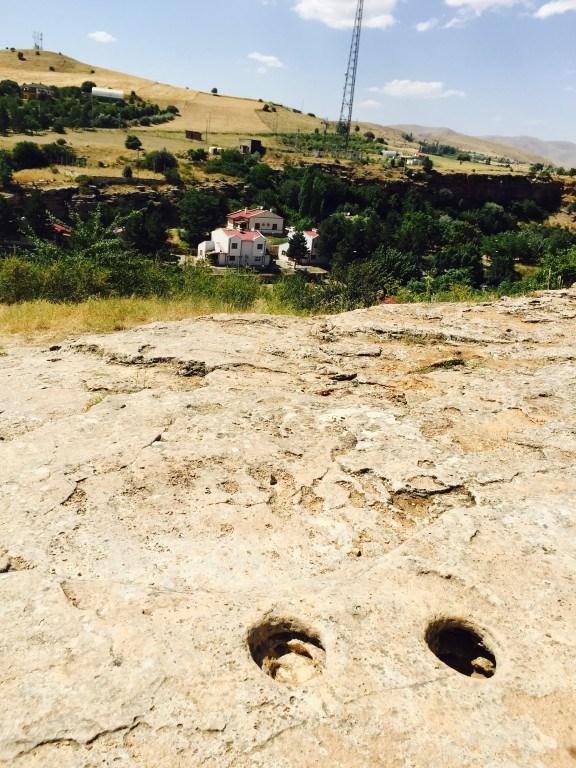
Ahmet Turan Gazi Türbesi (Republic of Türkiye Sivas Governorate)
Abdülvehhab Gazi was the weapons companion of Ahmet Turan Gazi. He was a renowned military commander who lived during the Umayyad period and participated in Islamic military campaigns into Anatolia. His exact date of birth remains undetermined.
According to Shams al-Din Sivasi’s “Manaqib of Abdülvehhab Gazi,” Abdülvehhab Gazi was the standard-bearer of the Prophet Muhammad and lived a long life due to the Prophet’s blessing. He carried sacred relics of the Prophet for many years before delivering them to Battal Gazi in Malatya. Together with Battal Gazi and Ahmet Turan Gazi, he intensified efforts to Islamize Anatolia. Abdülvehhab Gazi was martyred alongside Ahmet Turan Gazi during a battle in Soğuk Çermik.

No Discussion Added Yet
Start discussion for "Ahmedi Turan Gazi Türbesi" article
Legends and Historical Narratives
Relationship with Abdülvehhab Gazi