+1 More

Date of Birth | 7 September 1907, İzmir | ||||||||
|---|---|---|---|---|---|---|---|---|---|
Date of Death | 6 January 1991, İstanbul | ||||||||
Profession(s) | Composer Ethnomusicologist Music Educator | ||||||||
Education | Schola Cantorum Paris | ||||||||
Institutions Worked at | Musiki Muallim Mektebi, İstanbul City Conservatory, Ankara State Conservatory | ||||||||
Important Work(s) | Özsoy Gilgameş Köroğlu Kerem Yunus Emre Oratoryosu Taşbebek | ||||||||
Awards and Titles | State Artist (1971), Atatürk Art Award (1981), Professor of Art (1985) | ||||||||
Fields of Contribution | Turkish polyphonic music, folk music collections, music education | ||||||||
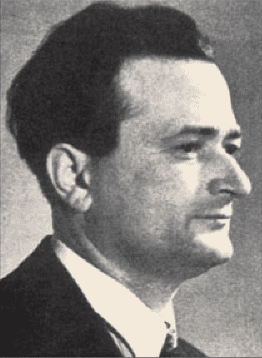
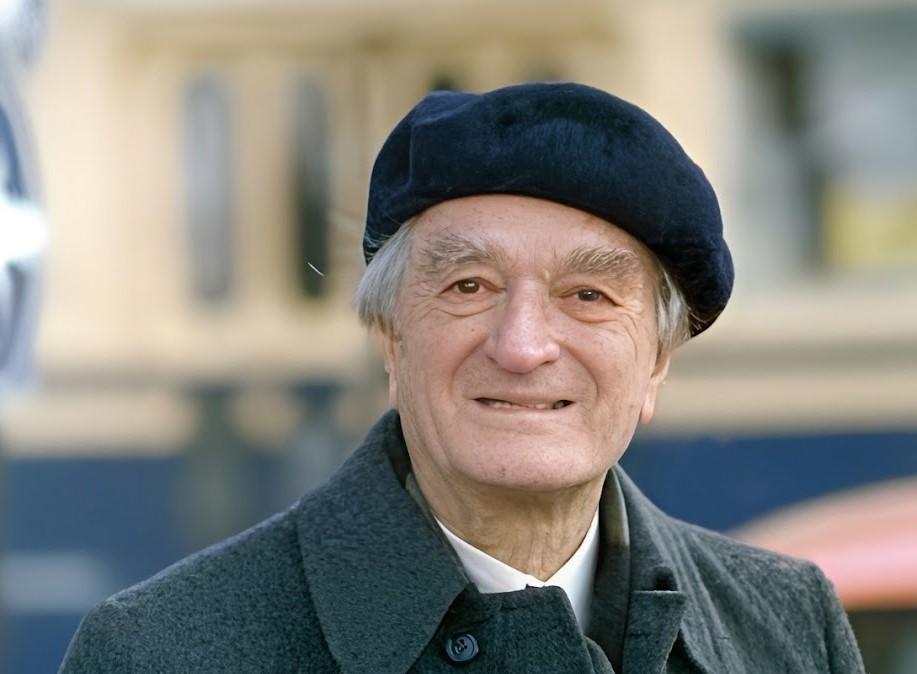
Ahmet Adnan Saygun, born on 7 September 1907 in İzmir, was an artist who held various roles in music education, composition, and ethnomusicology during the Republican era in Türkiye. He contributed to the promotion of polyphonic music culture in Türkiye, the collection and processing of folk music, and received a state scholarship to study music abroad, producing numerous compositions and academic works. He passed away in Istanbul on 6 January 1991.

Ahmet Adnan Saygun(AA)
Ahmet Adnan Saygun spent his childhood in İzmir. His father, Mahmut Celalettin Bey, was one of the founders of the İzmir National Library. Saygun attracted attention for his achievements in music classes during primary school and began piano lessons with İsmail Zühtü Kuşçuoğlu. He later studied piano with Rossati and Macar Tevfik Bey and took a brief harmony course from Hüseyin Sadettin Arel in 1923.
In 1928 he passed an examination that sent him to France, where he studied at the Schola Cantorum in Paris under musicians such as Vincent d’Indy, Eugène Borrel, Souberbielle, and Amedée Gastoué. During his time in Paris, he focused on composition, counterpoint, and Gregorian chant. He returned to Türkiye in 1931.
After returning to Türkiye, Saygun began teaching at the Musiki Muallim Mektebi and took on roles in accordance with the music policies developed during the early years of the Republic. In 1934, at the request of Atatürk, he composed the opera “Özsoy” within a month for the visit of Iranian Shah Reza Pahlavi; this work was performed as Türkiye’s first opera. In the same year, he composed the opera “Taşbebek”.
During this period, Saygun was temporarily appointed as conductor of the Riyaset-i Cumhur Orkestrası, but his tenure was brief due to health problems. In 1936 he began teaching at the Istanbul Municipal Conservatory and taught there until 1939.
In 1936, together with Hungarian composer and ethnomusicologist Béla Bartók, Saygun conducted folk music collection expeditions in Anatolia. These collection efforts were later published in Hungary. Saygun’s work titled “Pentatonicism in Turkish Music,” published in 1936, was regarded as a scientific effort to analyze folk music.
In the 1940s he was appointed as a music inspector for Halkevleri and composed the “Yunus Emre Oratorio” during this period. The oratorio was first performed in Ankara in 1946 and was later performed by various orchestras abroad.
Saygun taught composition at the Ankara State Conservatory and offered courses in ethnomusicology at the Istanbul State Conservatory in 1973. He served on the board of the International Council for Traditional Music and was also a member of the TRT Board of Directors.
He prepared various music books, teaching materials, and scholarly writings. He published extensively on Turkish music, children’s songs, folk melodies, and pentatonic structures.
Among Saygun’s major works are the operas “Özsoy,” “Taşbebek,” “Yunus Emre Oratorio,” “Kerem,” “Köroğlu,” and “Gilgameş,” five symphonies, various concertos, and orchestral and chamber music pieces. He also produced children’s songs, piano works, choral music, and stage music. His repertoire includes folk music collections and research books.
In 1948 Saygun was awarded the İnönü Prize, in 1950 the Academic Medal by the French Ministry of Education, in 1951 a medal from the Italian Government, and in 1958 the Jean Sibelius Composition Medal. In 1971 he was named State Artist, in 1981 he received the Atatürk Art Prize, and in 1985 he was granted the title of Professor of Art.
He died on 6 January 1991 from pancreatic cancer and was buried in the Zincirlikuyu Cemetery in Istanbul. His works are archived at the Ahmet Adnan Saygun Music Education and Research Center within Bilkent University.
Anadolu Ajansı. “Türkiye'nin ilk Devlet Sanatçısı: Ahmet Adnan Saygun”. Ömer Mirza Şeker. January 5, 2025. Accessed June 30, 2025. https://www.aa.com.tr/tr/kultur/turkiyenin-ilk-devlet-sanatcisi-ahmet-adnan-saygun/3442254
Atatürk Ansiklopedisi. "Ahmet Adnan Saygun (1907–1991)." Accessed June 30, 2025. https://ataturkansiklopedisi.gov.tr/detay/125/Ahmet-Adnan-Saygun-(1907-1991)
TEV. "Ahmet Adnan Saygun." Accessed June 30, 2025. https://www.tev.org.tr/bagis-bagiscilarimiz/tr/1/Ahmet-Adnan-Saygun
Turkish Music Portal. "Ahmet Adnan Saygun". Accessed June 30, 2025. http://www.turkishmusicportal.org/tr/besteciler/detay/ahmet-adnan-saygun

Date of Birth | 7 September 1907, İzmir | ||||||||
|---|---|---|---|---|---|---|---|---|---|
Date of Death | 6 January 1991, İstanbul | ||||||||
Profession(s) | Composer Ethnomusicologist Music Educator | ||||||||
Education | Schola Cantorum Paris | ||||||||
Institutions Worked at | Musiki Muallim Mektebi, İstanbul City Conservatory, Ankara State Conservatory | ||||||||
Important Work(s) | Özsoy Gilgameş Köroğlu Kerem Yunus Emre Oratoryosu Taşbebek | ||||||||
Awards and Titles | State Artist (1971), Atatürk Art Award (1981), Professor of Art (1985) | ||||||||
Fields of Contribution | Turkish polyphonic music, folk music collections, music education | ||||||||
Early Life and Education
Professional Career and Relationship with Music Policies
Collection and Research Activities
Academic and Institutional Activities
Works and Artistic Output
Awards and Later Years