


This article was automatically translated from the original Turkish version.
+1 More
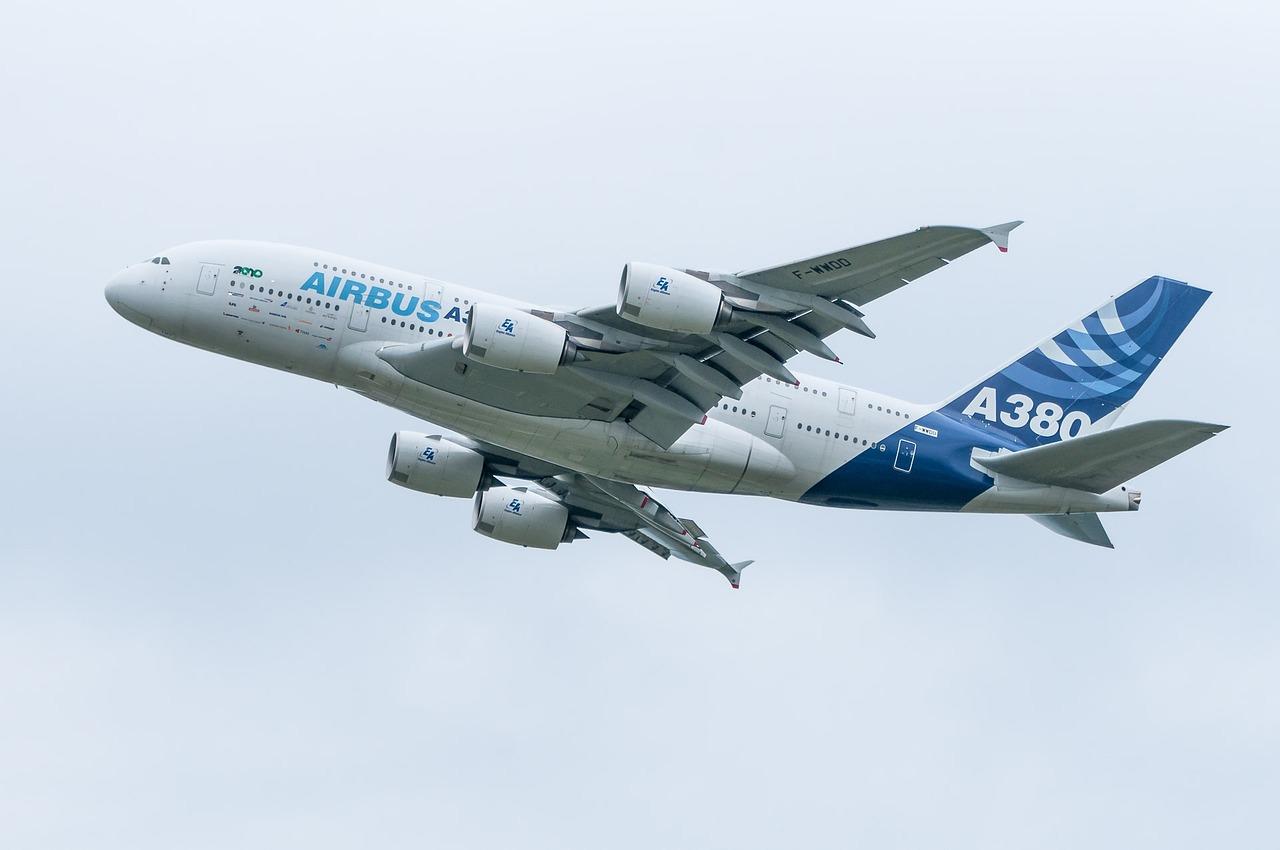
Airbus The A380 was first developed in the mid-1990s. Airbus made significant investments in this project to challenge Boeing 747's dominance and manage growing air traffic with larger-capacity aircraft. The project was initially known as “A3XX” and officially adopted the designation A380 in 2000. The first prototype was unveiled at Toulouse-Blagnac Airport in 2005. It completed its maiden flight on 27 April 2005 and entered commercial service in 2007 with Singapore Airlines. The Airbus A380 earned the title of the world’s largest passenger aircraft due to its double-deck design and capacity to carry up to approximately 850 passengers.
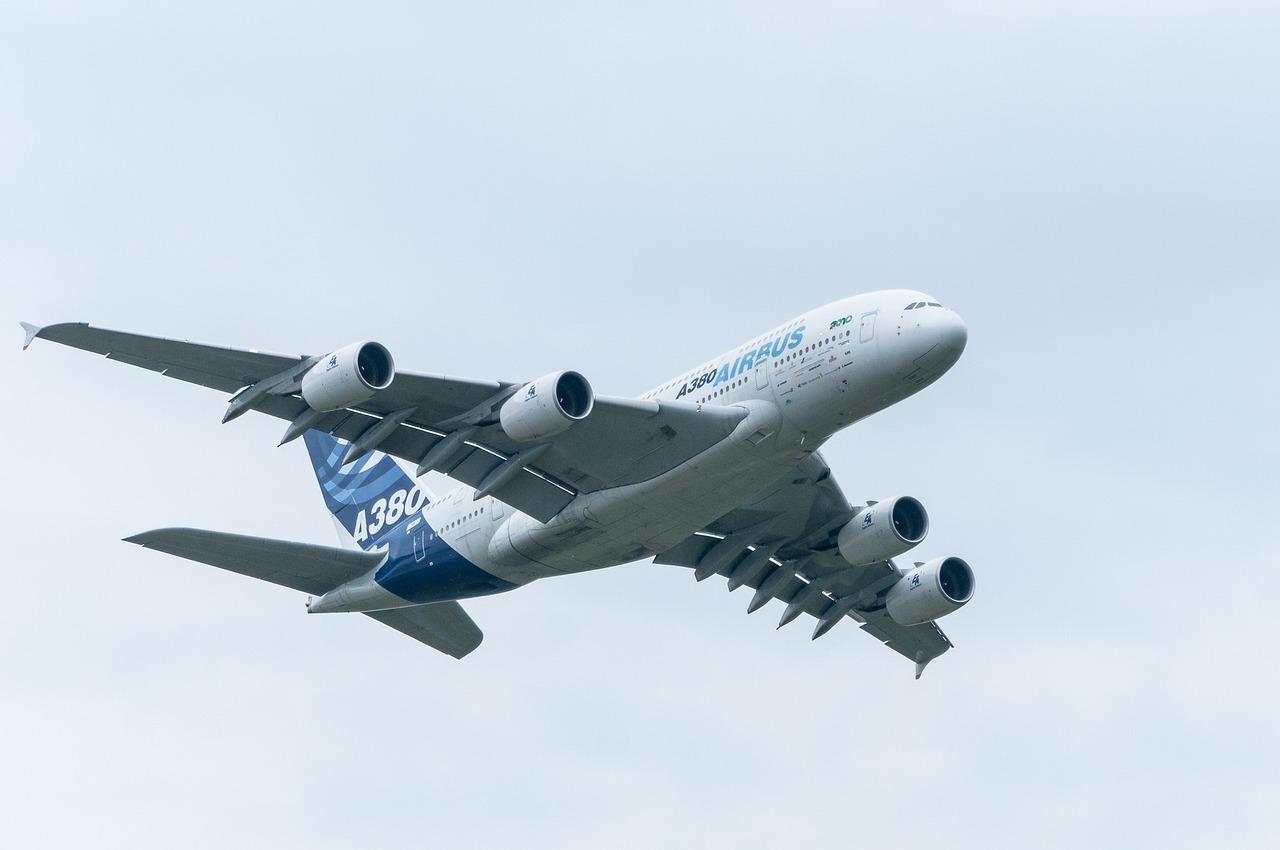
The Airbus A380 is a multi-layered engineering project designed with considerations for aerodynamics efficiency, passenger comfort, and environmental sustainability.
The full-length double-deck fuselage design was a first in aviation history.
Wingspan: 79.75 metres
Length: 72.72 metres
Height: 24.09 metres
Maximum takeoff weight: Approximately 1.2 million pounds (560,000 kg)
The aircraft is powered by four Rolls-Royce Trent 900 or Engine Alliance GP7200 engines, providing powerful and efficient thrust.
Thanks to its wide cabin design, a high level of comfort has been achieved across economy, business, and first-class cabins.
Airbus manufactured a total of 251 A380s and delivered them to the world’s leading airlines.
The Airbus A380 was designed for long-haul, high-capacity passenger transport. It has primarily served the busiest intercontinental routes, especially along the Asia-Middle East-Europe axis.
Emirates, Lufthansa, British Airways, Singapore Airlines, and Qantas like are among the leading airlines that have made the A380 the flagship of their fleets.
However, airplane due to insufficient infrastructure at some airports and high operational costs, the aircraft has been adopted by only a limited number of operators. Although many airlines retired their A380s following the COVID-19 pandemic, rising passenger demand has led together some carriers to reintroduce this work aircraft into service.
It holds the title of the world’s largest passenger aircraft.
Maximum passenger capacity (single-class): 853
Average range: 15,200 km
Thanks to its spacious interior, unique features such as bars, lounges, showers, and bed have been offered onboard—particularly by Emirates.
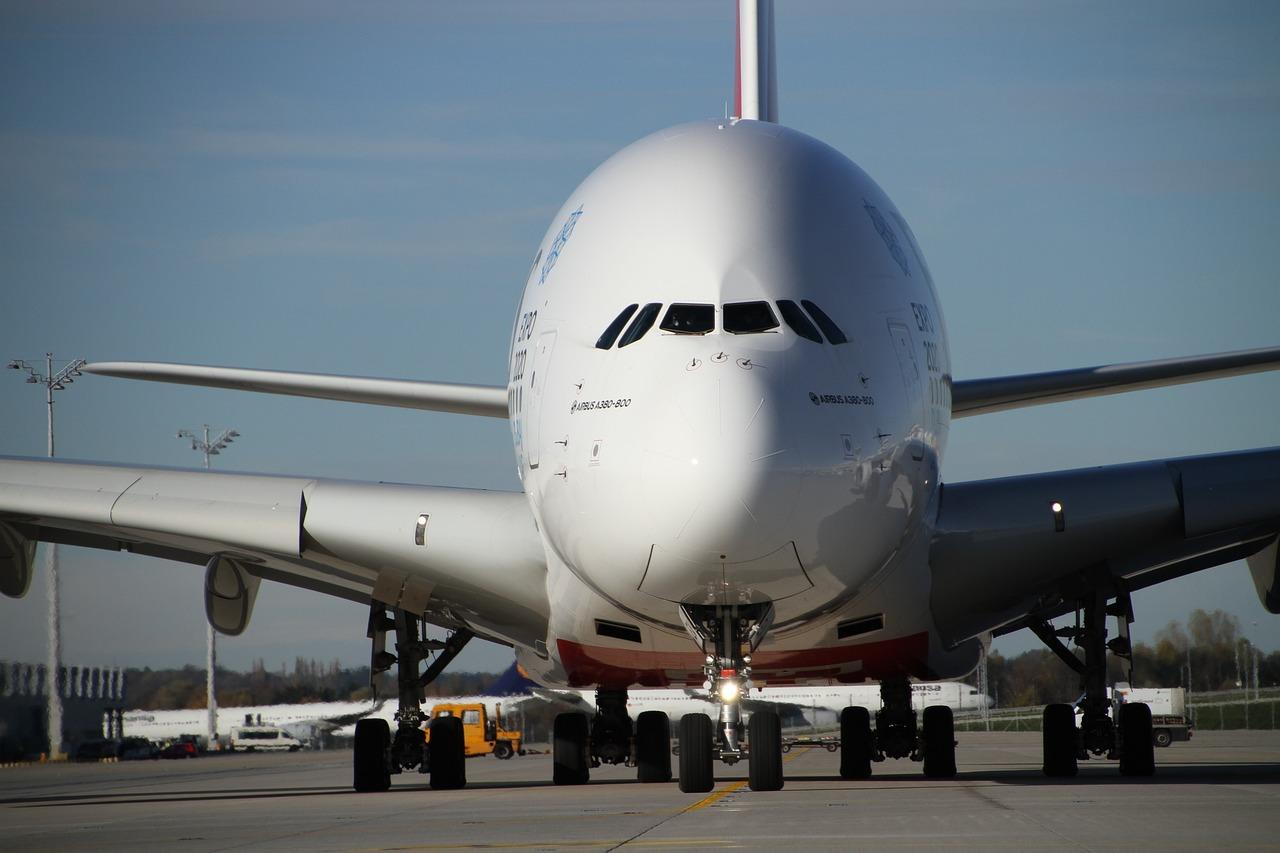
Airbus officially halted A380 production in 2021. The main reasons for this decision were declining demand, the rise of more fuel-efficient twin-engine aircraft such as the A350 and Boeing 787, and increasing fuel costs.
Nevertheless, the A380 is regarded as one of the most iconic engineering projects in aviation history. While some operators use their aircraft as spare parts reservoirs, others have returned them to active service. Emirates remains the primary operator still flying the A380 actively.
The Airbus A380 is considered one of the defining aviation revolutions of the 21st century. Revered for both its physical scale and the level of comfort it offers passengers, it has been dubbed the “flying palace”.

Design Features and Prototype
Missions and Operational Use
Notable Features and Records
Cessation of Production and Future Outlook
Cultural and Historical Significance