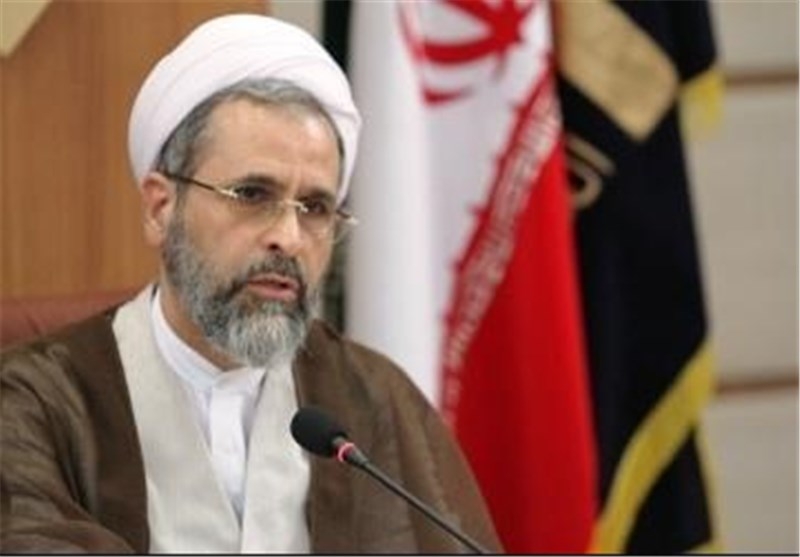
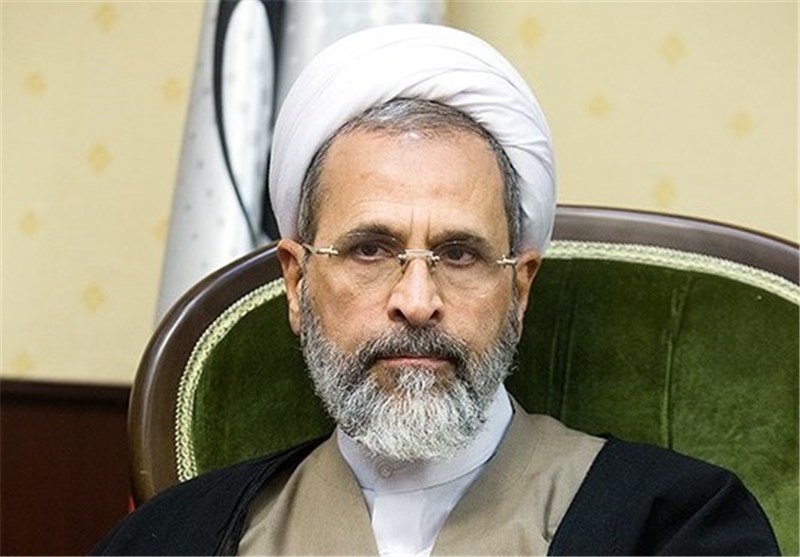

Alireza Arafi is an Iranian cleric and state official. He has served as a member of the Guardian Council and the Assembly of Experts. Following the death of Ayatollah Ali Khamenei in an attack orchestrated by the United States and Israel on 28 February 2026, he was appointed as the clerical member of the Temporary Leadership Council established under Article 111 of the Iranian Constitution.
Alireza Arafi was born in 1959 in the city of Meybod, Yazd Province. His father is Ayatollah (Sheikh Hajji) Muhammad Ibrahim Arafi, who is known to have been a close associate of Ruhollah Khomeini and active as a preacher and writer prior to the Islamic Revolution.
Alireza Arafi began his religious education at an early age. In 1969, at the age of 11, he moved to Qom to further his religious studies. He commenced his classical education in Iran, completed part of his literature courses, and finished primary school in Qom in 1970. During this period, he also attended seminary and preparatory courses to continue his religious education.
During his studies in Qom, Arafi received instruction from various religious scholars, including Ayatollah Ali Meshkini, Ayatollah Muhammad Fazel Lankarani, Ayatollah Mehdi Haeri Yazdi, Ayatollah Hussein Vahid Khorasani, and Ayatollah Abdullah Javadi Amoli. He advanced his scholarly work and attained the title of mujtahid. His areas of study include Islamic jurisprudence (fiqh) and philosophy. He is fluent in Arabic and English and has published 24 books and articles.
During the 1979 Iranian Revolution, Arafi was 21 years old and did not play a decisive role in the revolutionary process. In the 1980s, he became part of the group of young clerics within the Islamic Republic.
Following Ayatollah Ali Khamenei’s ascension to religious leadership in 1989, Arafi began assuming public offices. In 1992, at the age of 33, he was appointed as Friday prayer imam in his hometown of Meybod. In 2015, he was appointed as Friday prayer imam in Qom.
In July 2016, he was appointed head of all seminaries nationwide. In July 2019, he was appointed to the 12-member Guardian Council.
Alireza Arafi served as president of Al-Mustafa International University in Qom. The university’s current structure was formally established in 2009. He participated in its structural and administrative organization.
Al-Mustafa International University was established through the consolidation of initiatives begun in 1979 to train Shia clerics for students from outside Iran. The university is reported to have numerous seminaries and religious centers both within and outside Iran.
According to Arafi’s statements, approximately 40,000 foreign students are receiving religious education in Iran. Over the years, 80,000 individuals have graduated from Al-Mustafa International University.
Alireza Arafi was elected to the Assembly of Experts in the 2015 elections. In February 2016, he ran as a candidate from Tehran in the Assembly of Experts elections but was defeated. During this period, his responsibilities in managing religious centers were expanded.
In the course of his official duties, he has met with foreign officials, visited earthquake-stricken regions, and made statements on national security issues. He has publicly expressed support for strengthening Iran’s military capabilities.
Ayatollah Ali Khamenei died on 28 February 2026 in an attack carried out by the United States and Israel. Following his death, the constitutional succession process was initiated. According to Article 111 of the Iranian Constitution, in the event of the leader’s death, resignation, or removal from office, the leadership duties are temporarily assumed by a three-member council consisting of the President of the Republic, the Head of the Judiciary, and a cleric selected by the Guardian Council.
For this role, Ayatollah Alireza Arafi was designated. Until a new permanent leader is elected, the temporary council composed of President Masoud Pezeshkian, the Head of the Judiciary, and Ayatollah Arafi will jointly perform the duties of the Vali-e Faqih.

Early Life and Family
Education and Scholarly Work
Post-Revolution Period and Appointments
Presidency of Al-Mustafa International University
Assembly of Experts and Other Political Roles
Death of Ali Khamenei and Membership in the Temporary Leadership Council