


This article was automatically translated from the original Turkish version.
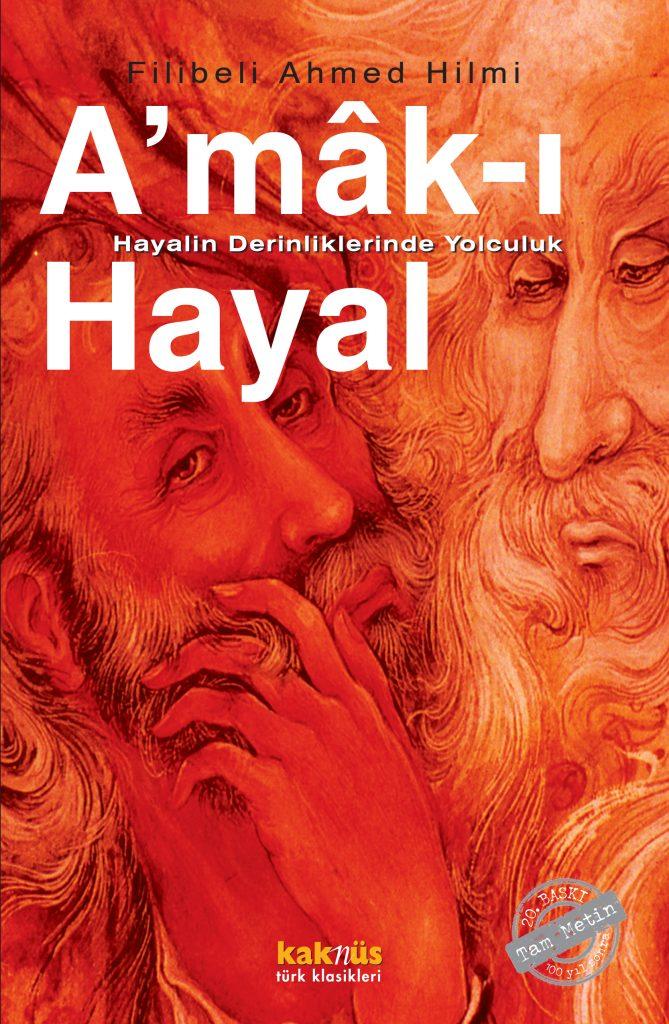
A’mâk-ı Hayâl is a novel written by Şehbenderzâde Filibeli Ahmed Hilmi, centered on an individual’s quest for truth and infused with Sufi themes. First published in 1910, the work presents a structure that intertwines the author’s literary power with philosophical and metaphysical dimensions.
The book follows the journey of a young man named Râci as he searches for meaning and experiences a series of visionary travels. Raised in Western philosophy, Râci suffers from a profound dissatisfaction with life. He begins his search for truth during spiritual journeys guided by a dervish known as Aynalı Baba. In the novel, metaphysical journeys occurring in Râci’s dreams and visions explore themes such as existence and non-existence, death, love, and truth.
In the novel, Râci is a character who constantly questions and seeks truth through philosophy. Yet neither Western thought nor the material world provides him with satisfaction. After meeting Aynalı Baba, he descends into various visionary realms, undergoing inner transformation through mystical experiences and symbolic scenes.
Key themes in the book include the concept of wahdat al-wujud, the belief in tawhid, the training of the nafs, and the perfection of the soul—all central Sufi elements. Western philosophy is contrasted with Eastern mysticism throughout the narrative.
The visions experienced by Râci are laden with symbolic meaning. Each vision represents a stage in his spiritual development. These fictional constructs enable the reader to question humanity’s place in the universe, the purpose of creation, and the notion of eternity.
Symbolic and Allegorical Narrative: The author frequently employs allegories and symbols, endowing the work with both depth and a multilayered world of meaning.
Philosophical and Sufi Intensity: The language of narration carries both intellectual and metaphysical depth. Occasionally poetic lines draw the reader into a contemplative journey.
A Style Between Novel and Essay: While some sections of the work adopt fictional narrative, others contain direct Sufi and philosophical explanations.
First Encounter with Aynalı Baba: This section, which initiates Râci’s spiritual transformation, serves as the turning point of the novel.
First Visionary Journey: Râci’s first dream functions as a gateway to Sufi truths through metaphor.
The Manisa Hospital Section: This section explores Râci’s psychological disintegration and rebirth following an intense inner crisis.
Şehbenderzâde Filibeli Ahmed Hilmi centers the novel on the individual who turns to Eastern mysticism after finding Western thought insufficient. The book argues that only through inner exploration can a person dissatisfied with philosophical inquiry attain truth. Through its characters, the author conveys Sufi teachings.

Subject of the Book
Content of the Book
Râci’s Quest and Inner Journeys
Sufi and Philosophical Themes
Visionary Realms and Symbols
Style of the Book
Notable Sections
The Author’s Perspective