

This article was automatically translated from the original Turkish version.
+1 More
Ambar Kalesi is a historical defensive structure located within the boundaries of Mazgirt district in Tunceli province, in Türkiye’s Eastern Anatolia Region, and is assessed to date from the Urartian period. Built on rugged terrain, the fortress is among the significant archaeological remains that shed light on the ancient history of the region through its geographical features and architectural remnants.
Ambar Kalesi is constructed on a high and steep hill approximately 40 kilometers from the center of Tunceli province and at a shorter distance from the center of Mazgirt district. The fortress occupies a strategic position from which surrounding valleys and passes can be controlled, indicating its use in antiquity for defense and surveillance purposes. The terrain on which the fortress stands provides natural defensive advantages due to its mountainous topography and precipitous cliffs; no clear evidence of nearby settlements has been found.
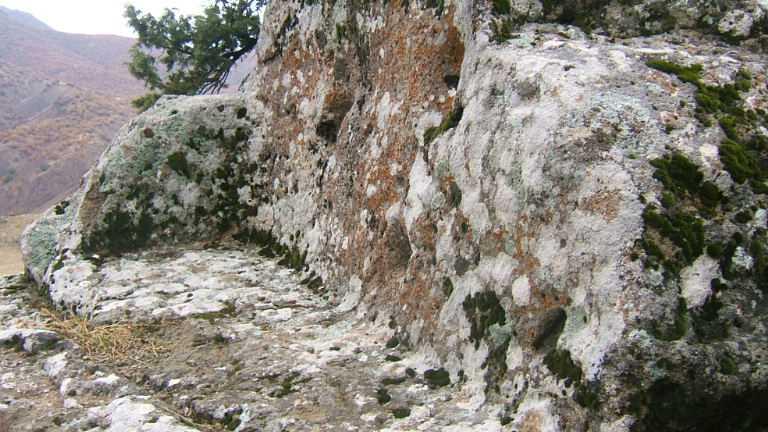
Ambar Kalesi (Culture Portal)
Although the exact date of construction remains unknown, analysis of the stonework and settlement layout suggests that the fortress dates to the Urartian Kingdom period. The Urartians emerged as a powerful political and military presence in Eastern Anatolia from the 9th century BCE onward. In this context, Ambar Kalesi exhibits similarities to other advanced outposts or observation points built during the Urartian era. When considered alongside other Urartian structures in the region, it is presumed that Ambar Kalesi formed part of the settlement and defense system of that time.
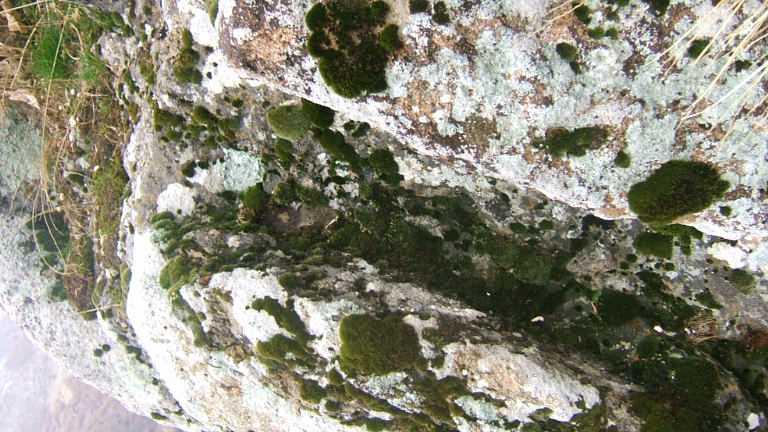
The surviving remains are largely ruined and damaged. However, visible traces of stone masonry on the surface indicate that the fortress was once a robust and sophisticated structure. Observations show that local stone materials were used in wall construction, with stones carefully cut and laid in regular courses. The current state of the ruins demonstrates that the fortress has been largely vulnerable to the effects of time, natural events, and human intervention.
Access to the fortress is extremely difficult today; only professional mountaineering or guided hikes can reach the site due to steep cliffs and precipitous slopes. This condition supports the historical logic behind the site’s selection, revealing that the structure was designed to minimize exposure to external threats.
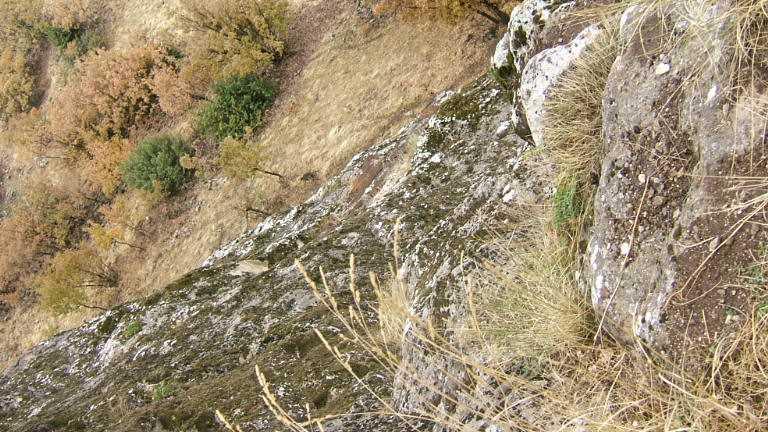
Ambar Kalesi (Culture Portal)
Ambar Kalesi has never been the subject of formal archaeological excavation, and therefore a detailed scientific documentation has not yet been completed. There is no clear information regarding whether the site is officially protected, but its inaccessibility has, to some extent, preserved it from environmental degradation. At the same time, this same inaccessibility poses a major obstacle to the study, documentation, and public awareness of the ruins.
Nevertheless, in recent years the fortress has begun to attract historical and visual interest. Local and national media sources highlighting the Urartian heritage of Tunceli have identified Ambar Kalesi as one of the significant remnants of the Urartian Kingdom’s presence in the region. In this regard, the fortress carries not only archaeological value but also cultural heritage significance.

Location and Geographical Features
Historical Background and Cultural Context
Architectural Features and Structural Condition
Conservation Status and Contemporary Significance