


This article was automatically translated from the original Turkish version.
+2 More
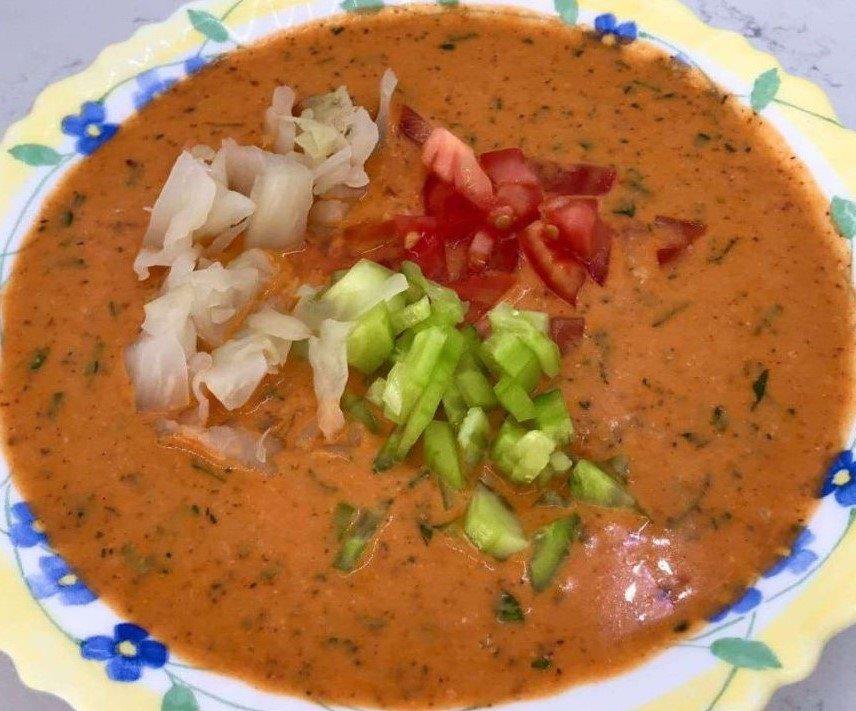
Mersin Anamur Batırığı
Product / Product Group(s) | Meals and soups | ||||||||
|---|---|---|---|---|---|---|---|---|---|
Applicant/Registrant(s) | Anamur District Directorate of Agriculture and Forestry | ||||||||
Registration Date | 02.02.2024 | ||||||||
File Number | C2022/000374 | ||||||||
Registration Number | 1534 | ||||||||
Anamur Batırığı is a traditional dish specific to the Anamur district of Mersin Province in Türkiye, prepared by mixing fine bulgur with peanut, sesame, dried tomato, and various spices. The product has been officially registered with a "Geographical Indication" by the Turkish Patent and Trademark Office and has been protected under geographical indication status since 05.02.2024.
Anamur Batırığı is a dish prepared using a paste made from roasted sesame and peanut instead of tahini, and can be shaped by hand or consumed in a soup-like consistency. Its distinctive feature is the use of a mixture of roasted sesame and peanut in place of tahini. Traditionally, this mixture was ground using a wooden tool called a "dibek," while today it is prepared using blenders or kitchen robots.
A portion of the batırık prepared during summer months is hand-shaped into small meatball-like forms known as "sıkma." The remaining portion is thinned with cold water and ice to achieve a soup-like texture and served with garnishes such as boiled cabbage, tomato, cucumber, fresh onion, and mint.
The variety of cabbage used in serving batırık varies by season: white cabbage with a tightly bound head is preferred in winter, while loose-headed green cabbage is preferred in summer. Additionally, dried mint and hot pepper may be added to the mixture. The level of spiciness is a matter of preference, and it is typically served alongside ornamental pepper (Capsicum frutescens).

Anamur Batırığı (Encyclopedia of Turkish Tourism)
Ingredients for a 4-Person Serving:
For the topping (liquid component):
Preparation Process:
The central vein of the cabbage leaves, known locally as "hürtmek," is boiled, chopped, and added to the mixture. During serving, dried mint is sprinkled on top.
Geographical boundary:
The product may be produced only within the boundaries of the Anamur district of Mersin Province.
Turk Patent and Trademark Office. "Anamur Batırığı." Geographical Indication Registration Certificate No: 1534. Accessed May 27, 2025. https://ci.turkpatent.gov.tr/cografi-isaretler/detay/7843
Türkiye Turizm Ansiklopedisi. "Anamur Batırığı." Accessed May 27, 2025. https://turkiyeturizmansiklopedisi.com/anamur-batirigi

Mersin Anamur Batırığı
Product / Product Group(s) | Meals and soups | ||||||||
|---|---|---|---|---|---|---|---|---|---|
Applicant/Registrant(s) | Anamur District Directorate of Agriculture and Forestry | ||||||||
Registration Date | 02.02.2024 | ||||||||
File Number | C2022/000374 | ||||||||
Registration Number | 1534 | ||||||||
Product Description and Distinctive Characteristics
Production Method
Geographical Boundary and Control